

Grandmother’s School

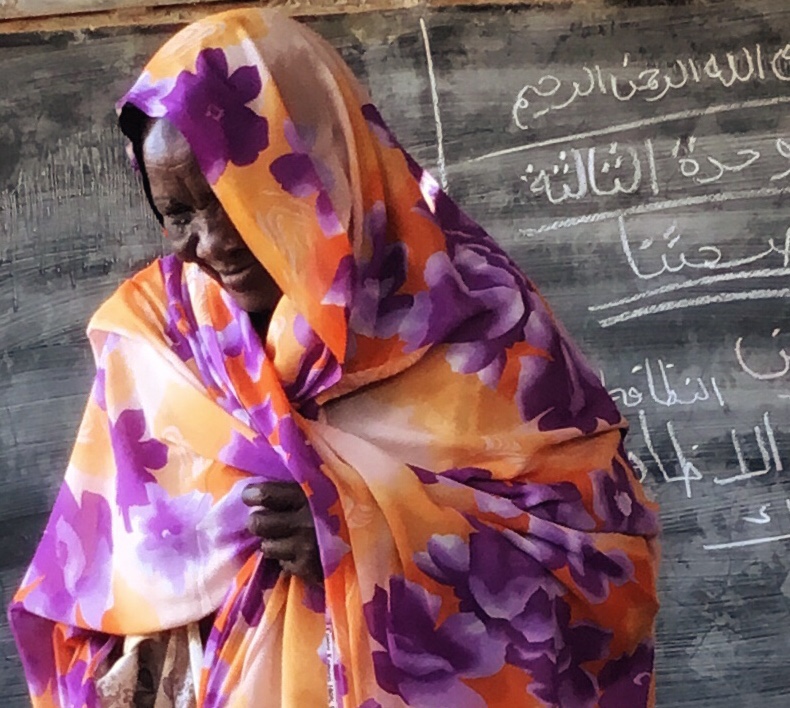
Article illustration and above, one of our older literacy participants, writing key words for discussion work on local health issues.

Setting the Scene
Grandmother’s School – What Older Women Bring to Literacy Circles
Grandmother’s School – Our Commitment to Older Participants
More Reading Resources
Setting the Scene

“Habooba” in Sudanese colloquial Arabic means “grandma” and comes from the same root in Arabic as “love” – she who possesses or gives love; she who is loved. Sudanese grandmothers certainly are.
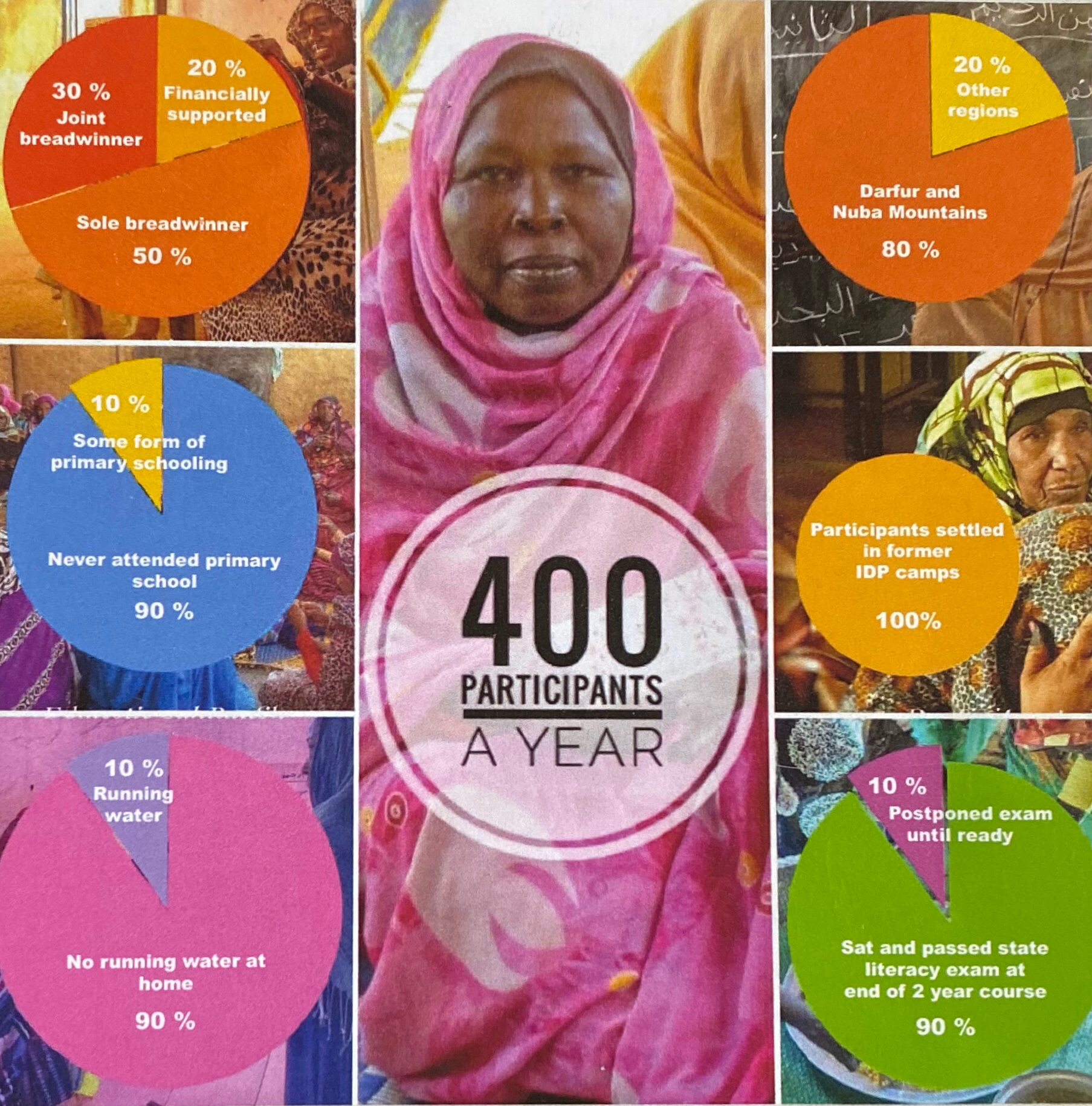
This is a literacy post for Women’s Literacy in Sudan, Community Literacy, the blog for Women’s Education Partnership

Older literacy participants often have impaired vision as a result of untreated eye conditions. Women’s Education Partnership – Eye Care provides medical treatment for all our participants suffering from such conditions wherever we can.
Learn more about our remarkable eye surgeon, Dr Nabila and her work, in the brief video below.
Grandmother’s School – What Older Women Bring to Literacy Circles
Grandmother’s School – Our Commitment to Older Participants
More Reading Resources and Videos
Grandmother’s School – What Older Women Bring to Literacy Circles

“Habouba (grandma) put on a beautiful beige toobe. She wore her sandalwood perfume and told me to get ready for a walk. “Are we visiting people?” I asked. “No, we are going for a walk. We will greet people as we meet them.” With me holding her hand, Habouba walked in the streets and through the narrow alleys waving her white handkerchief. “Salaam hoy, Khawla and your family. May angels pass my salaam to you……You should care for people, meet them with a smile and greet them and ask about them. That will be your gift to them. You know, my daughter, if you win people’s love, you win an everlasting treasure.”
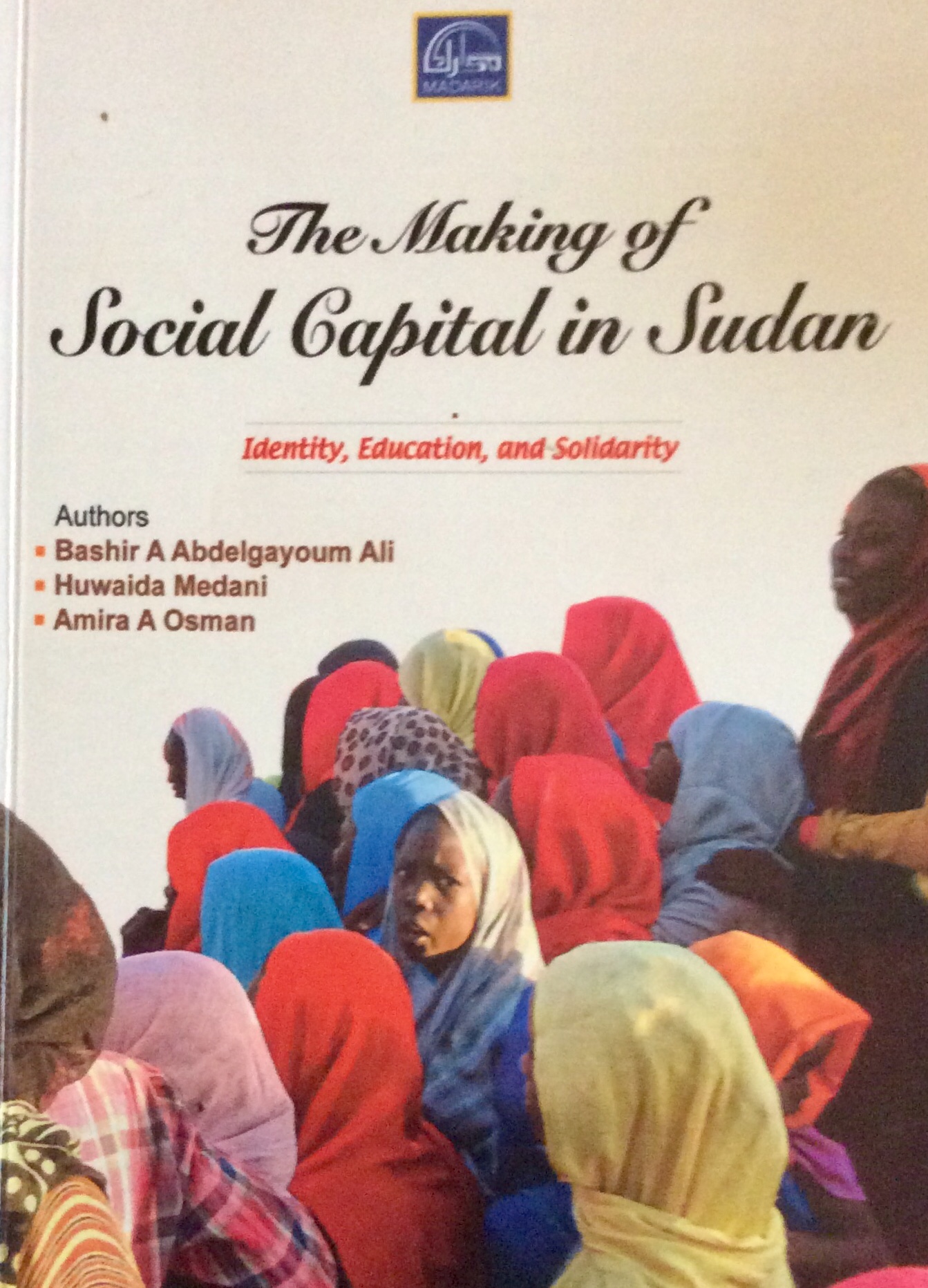
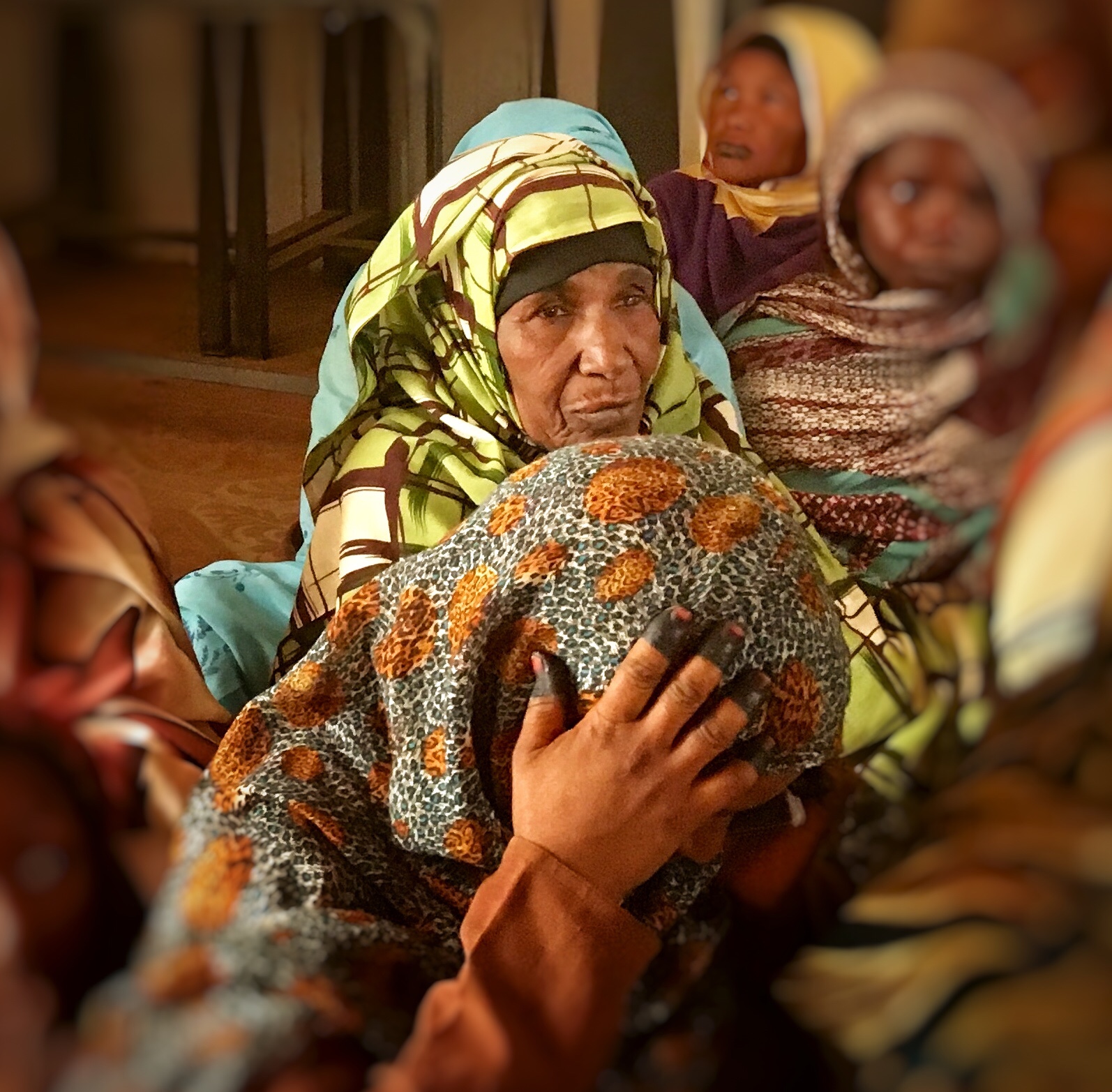
Timeless advice to a granddaughter as recalled by Huwaida Medani, The Habouba School p71-92 The Making of Social Capital in Sudan, 2017 / Bashir Ahmed Abdelgayoum. Left, a participant at Women’s Education Partnership’s Al Fatih literacy circle
For Huwaida Medani, her grandmother’s loving advice, heard “before sunrise and after sunset twice daily for years” was just as important as the formal schooling she received as a girl. So much so, that years later, the cadences of the proverbs, sayings and verses from the Qur’an that her grandmother lovingly told her still echoed in her mind as she wrote her research paper: May people consult you when you are present and wait for you when you are away, may you be a unclimbable mountain. These words, so affectionately recalled, aimed to encourage Huwaida to follow in her grandmother’s footsteps and take an active role in communal decision-making in later life.
“Like many elders in rural communities, my grandmother was a social consultant in her village. People sought her advice in various matters such as clashes over land, family conflicts, and so on. Some women took their babies and left them with her for weeks to wean…”

Older women from villages near Dongola, early 1980’s
One of the many challenges facing Women’s Education Partnership is finding effective ways of reaching out to older women in the literacy communities we work with – I’ll be writing more on this in coming posts. Their participation enormously enriches the group dynamic as older women can offer both valuable perspectives on community history and insights into how the tensions and challenges created by technological and cultural change can be creatively resolved.

He who has no elders should buy elders for himself – Sudanese proverb
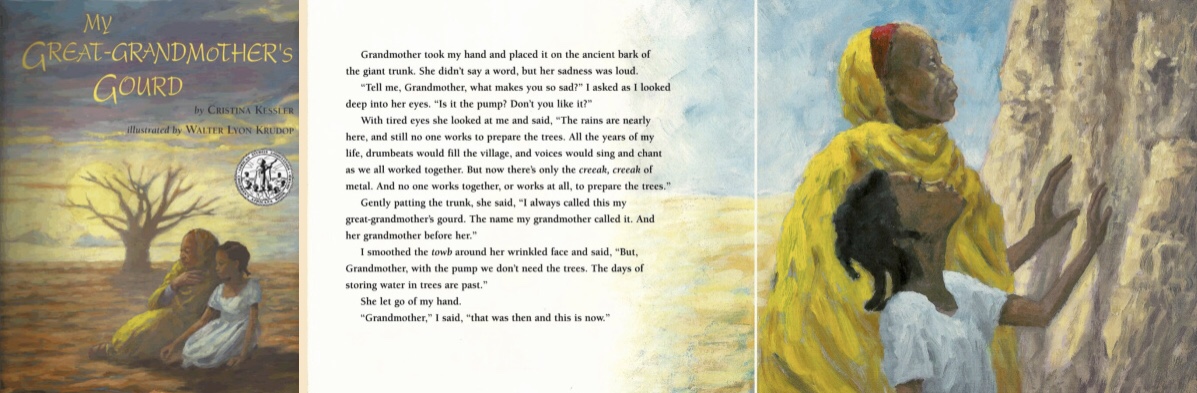
Debates between young and old in our literacy circles often reflect the delicate interplay of the traditional and modern, so beautifully expressed in the enchanting children’s story, My Great-grandmother’s Gourd. (See video below for more on this)

Above, illustrations from My Great-Grandmother’s Gourd.
“When the rain stopped, I climbed the tree and sat by a small hole at the top of the trunk. The hole that had been made by my grandmother’s great-grandmother”

Baobabs – the tree featured in the story – seen in Khartoum
Just as in My Great-grandmother’s Gourd, older women can teach practical skills and handicrafts to younger members of the circle and play a key role in conflict resolution and intergenerational understanding – something the Anglo-Sudanese writer, Lubna Isam skillfully plays on in her “Sudanese Tales ” where the “Habouba zarifah” or “cool” grandma tackles the social problems facing young Sudanese today in down-to-earth Sudanese Arabic.
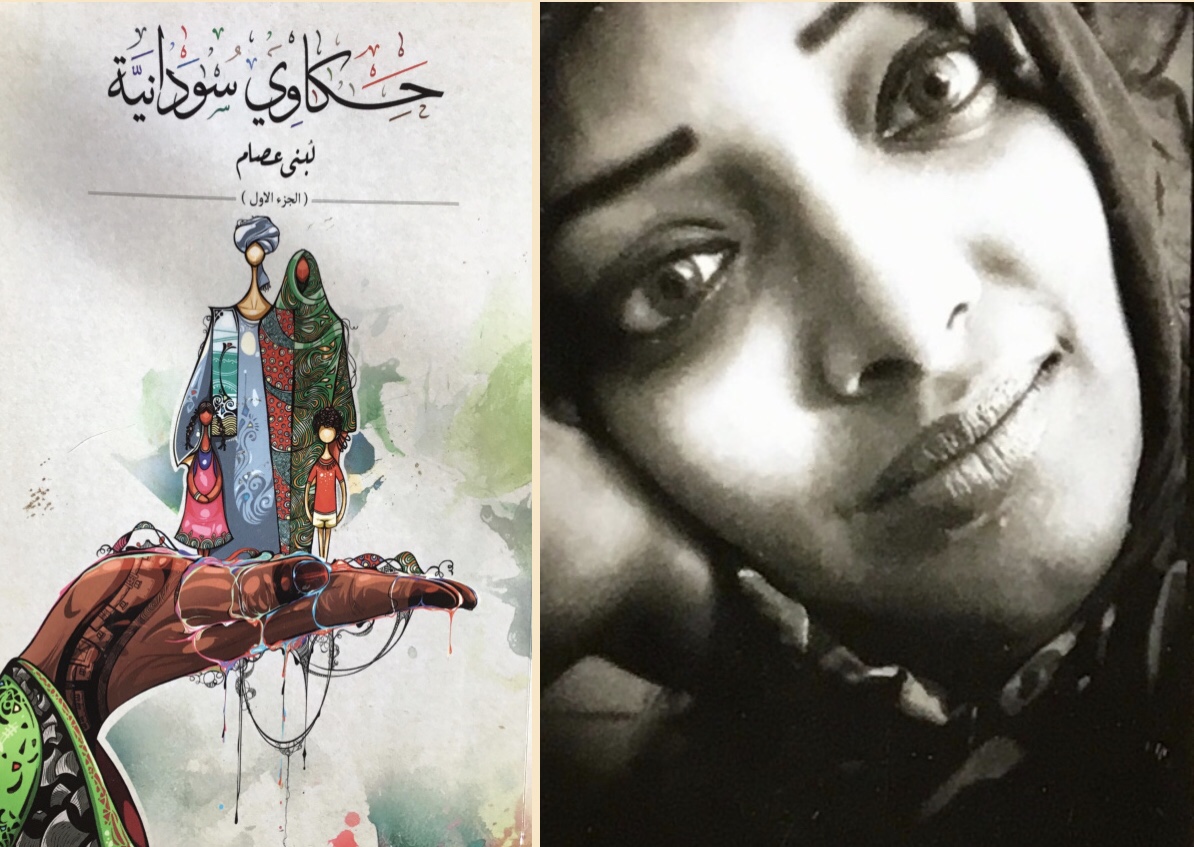
Read an interview with Lubna here: Sudanese Tales Tradition in the Present
Scroll down to the end of this post to learn more about the social issues Lubna’s work reflects with compassion and common sense. The video interview embedded below is in Arabic with accurate English subtitles.
Grandmother’s School – Our Commitment to Older Participants
The participation of older women in literacy acquisition can only serve to re-enforce the positive impact researchers have found grandmothers to have in the broader context of girls’ educational opportunities, sometimes known as the “Grandmother Effect”:


Above, findings from research paper Grandmothers and Children’s Schooling in Sub-Saharan Africa, March 2018. Read the full paper here: Grandmothers and Children’s Education
In a world where illiteracy among women over 65 is estimated to be as high as 90%, we hope to enable more older women in our literacy communities to access their basic human right to literacy and numeracy and go some small way towards counteracting the odds stacked against older women in the developing world.
Stay posted to read the life stories of some of our older participants and the challenges they have overcome.
More Reading Resources on This Issue.

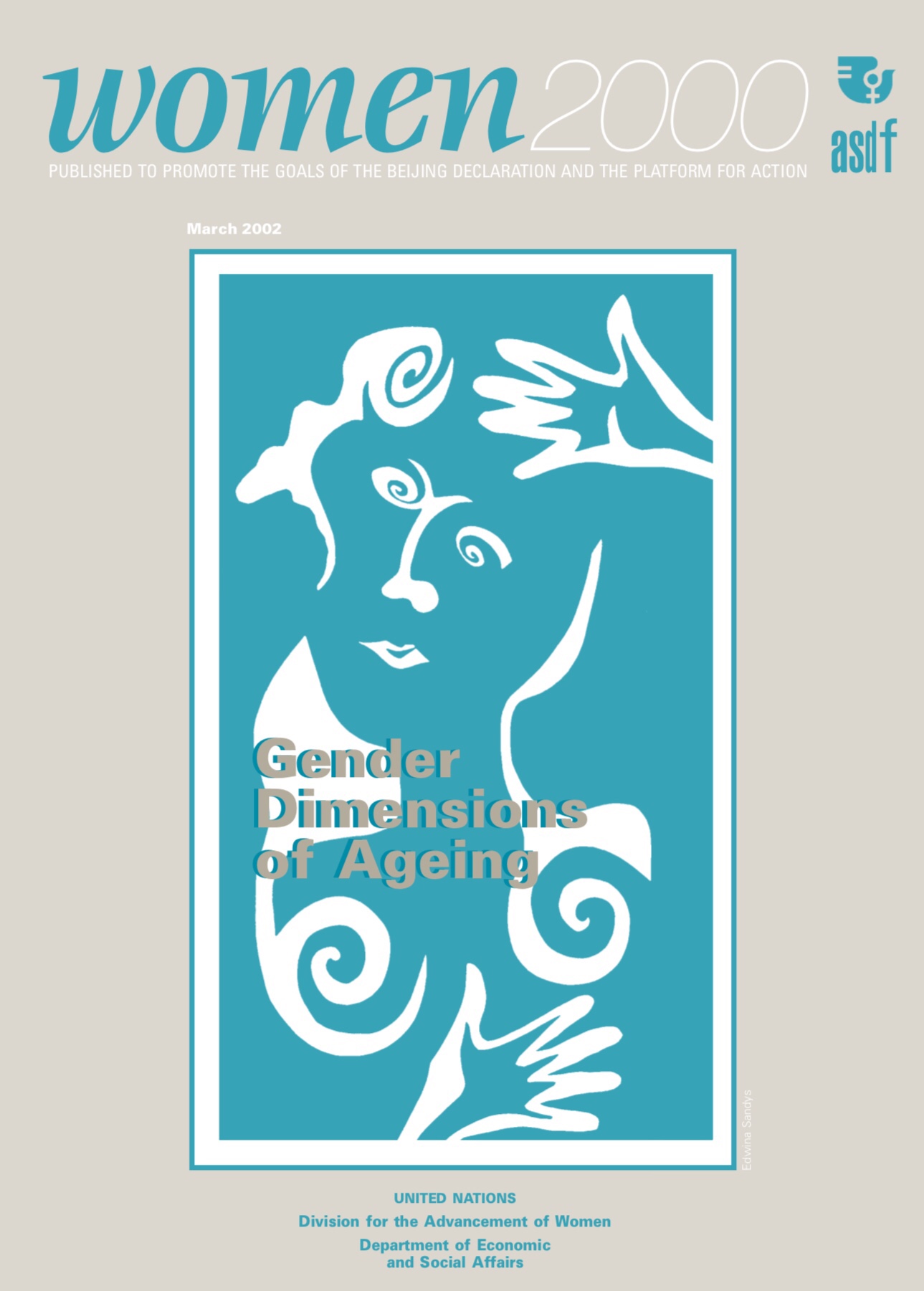
Did you know that “at ages 65 and over, widows outnumber married women in most developing countries, often by a factor of two or more”… Read more in Ageism and Women United Nations
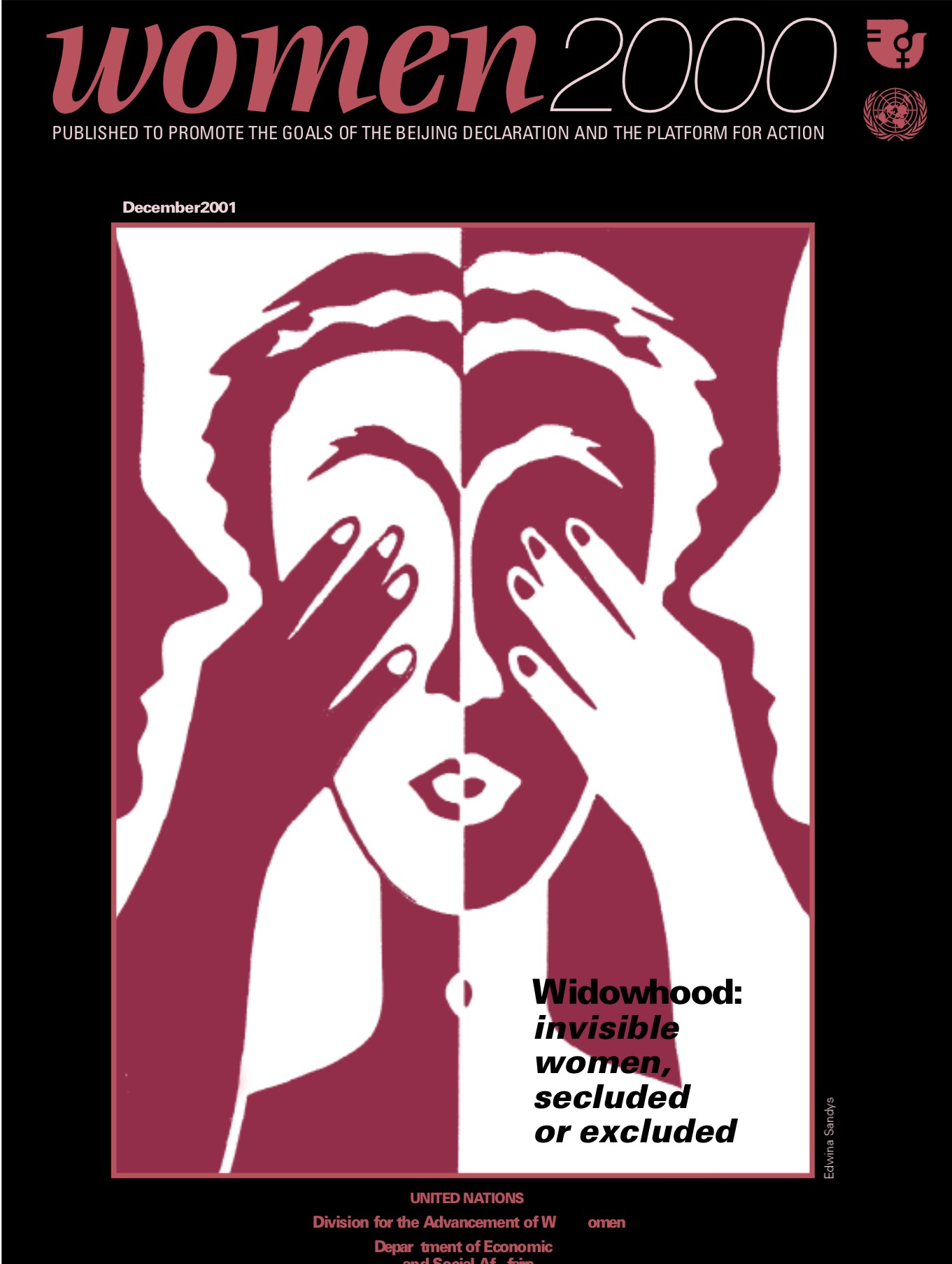
Did you know that widowhood can deprive women of their home, agricultural land, assets and even their children. The poverty of widowhood causes children, especially girls, to be withdrawn from school” ….Read more in Widowhood United Nations
Video Clips Mentioned in this Post
My Great-Grandmother’s Gourd – below, the author talking about her work
Lubna Isam talking about “cool grandmothers” and their stories.
Other Literacy Posts by Community Literacy – Women’s Literacy in Sudan
Coffee and Conversation Voices
Training the Trainer Literacy Circles in Action
Community Literacy and REFLECT
 Women's literacy in Sudan