


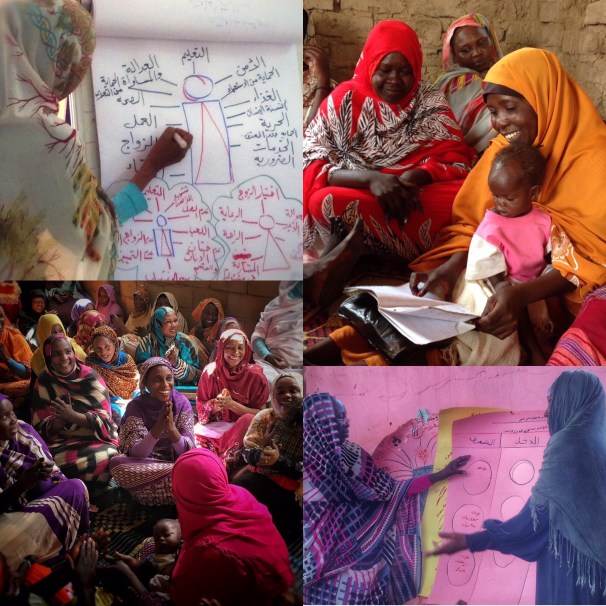
Women’s literacy in action in one of our literacy circles on the outskirts of Khartoum. Below more scenes from our work.

Women’s Education Partnership Special Event
Tune into Cambridge 105 Radio on Wednesday,12th August, at 11.30 am UK time.
Our Chair of Trustees, Simon Boyd, will be talking about the life-changing work Women’s Education Partnership does and the special challenges Sudanese women and girls’ education is facing at the moment.
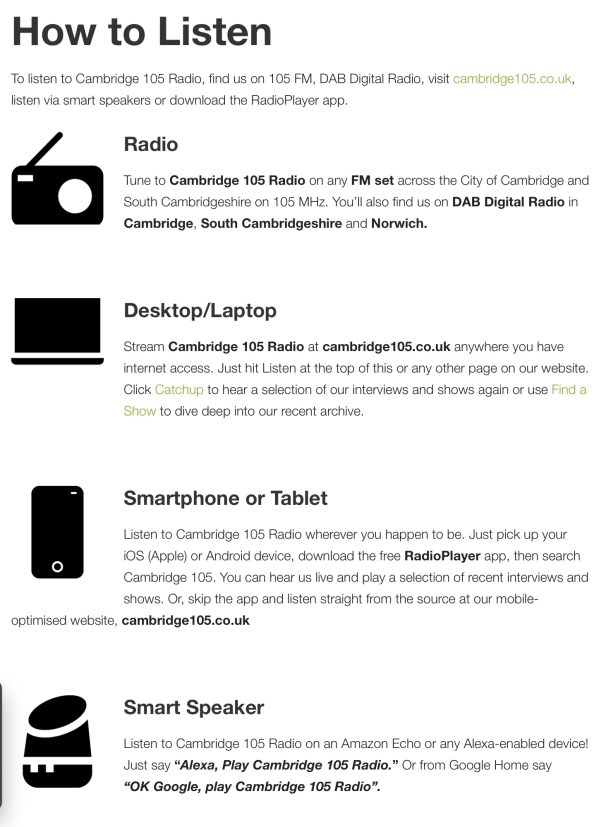
You can listen to Simon’s interview from everywhere in the world. Click the Listen button at Top Right of every page or download the RadioPlayer or TuneIn apps for your device.
Scroll down to the end of this blog for help with tuning in.
Click link below:

Simon Boyd spent a year teaching in the Sudan after leaving Oxford University in the early 1970s. He has worked as an educational publisher in Africa (Nigeria), Oxford, Cambridge, Harlow and London, before setting up his own publishing business specialising in further education and literacy.
He is married to Julia, lives in Cambridge and enjoys travel, painting, walking, music and historical research. He volunteers for a number of medical and literacy organizations and charities. I was lucky enough to catch Simon this week and ask him a few questions before his interview. Get to know a little more about him below.

Three Questions for Simon, Chair of Trustees, Women’s Education Partnership.
IT: Simon, becoming Chair just before Covid outbreak must have been a baptism of fire. How are we weathering the storm and what more can we do?
Simon: It’s certainly been a difficult time, but our decisions were really dictated by the virus. The Sudan and South Sudan went into lockdown in March, just like the UK, so our staff in Sudan now work from home on full pay, and our programmes have all been put on hold. We have made sure that the staff are very well supported financially as it has been a very anxious time for them in the Sudan, facing Covid and over 100% inflation and with a beleaguered health service.
We have also looked after our learners who come from very disadvantaged areas – our staff have given out Covid health awareness information, masks and hand sanitizers – many of the recipients had previously received no advice or warning of the pandemic.
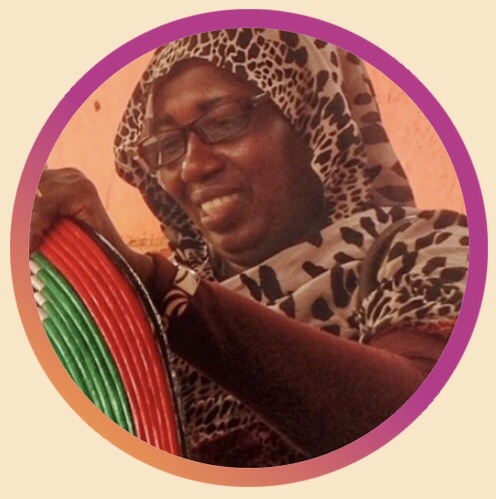
Below, our country director, Neimat Issha.
See Covid-19 Sudan July Update and Coronavirus Sudan Stepping Back from the Abyss 4 The Impact on Women for more on our Covid-19 prevention work and the impact of the pandemic on Sudan.
We need to prioritize and adopt new strategies to make sure we can keep our programmes going when activity starts up again, which is quite imminent. And we are renewing our Trustee body with several new members joining.
IT: Could you tell us a little about what led you to become so committed to the work Women’s Education Partnership does?
Simon: Well, an important factor was a seminal year I spent teaching in the Sudan many years ago. I’ve been interested in international development ever since. Women’s education is absolutely the key to so much positive development – of countries and societies across the world and particularly to the human rights and personal potential of women generally. And as I have got to know more about the work that WEP does I have become convinced that it is the most important small charity I could hope to work for. Our Sudanese staff are highly qualified development workers and absolutely wonderful and the Trustees and our excellent volunteers are very able and supportive. We have chosen to work as a team rather than initiatives coming down from above.
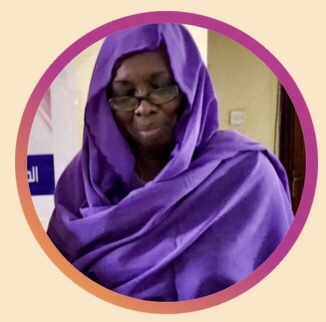
Below, our literacy coordinator, Adila Osman.
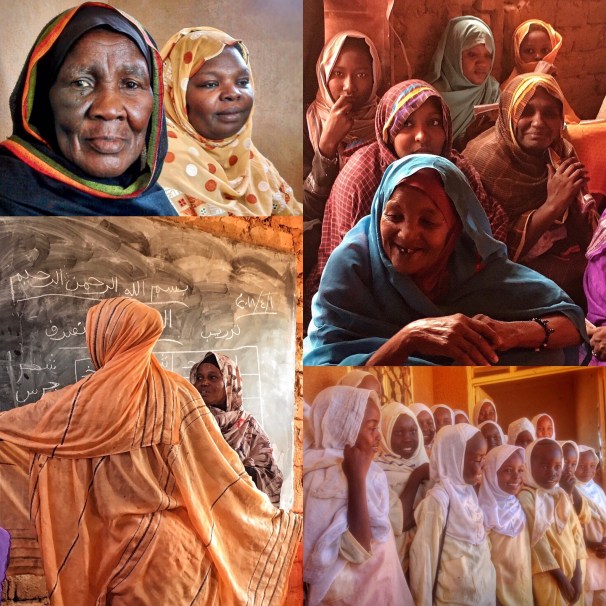
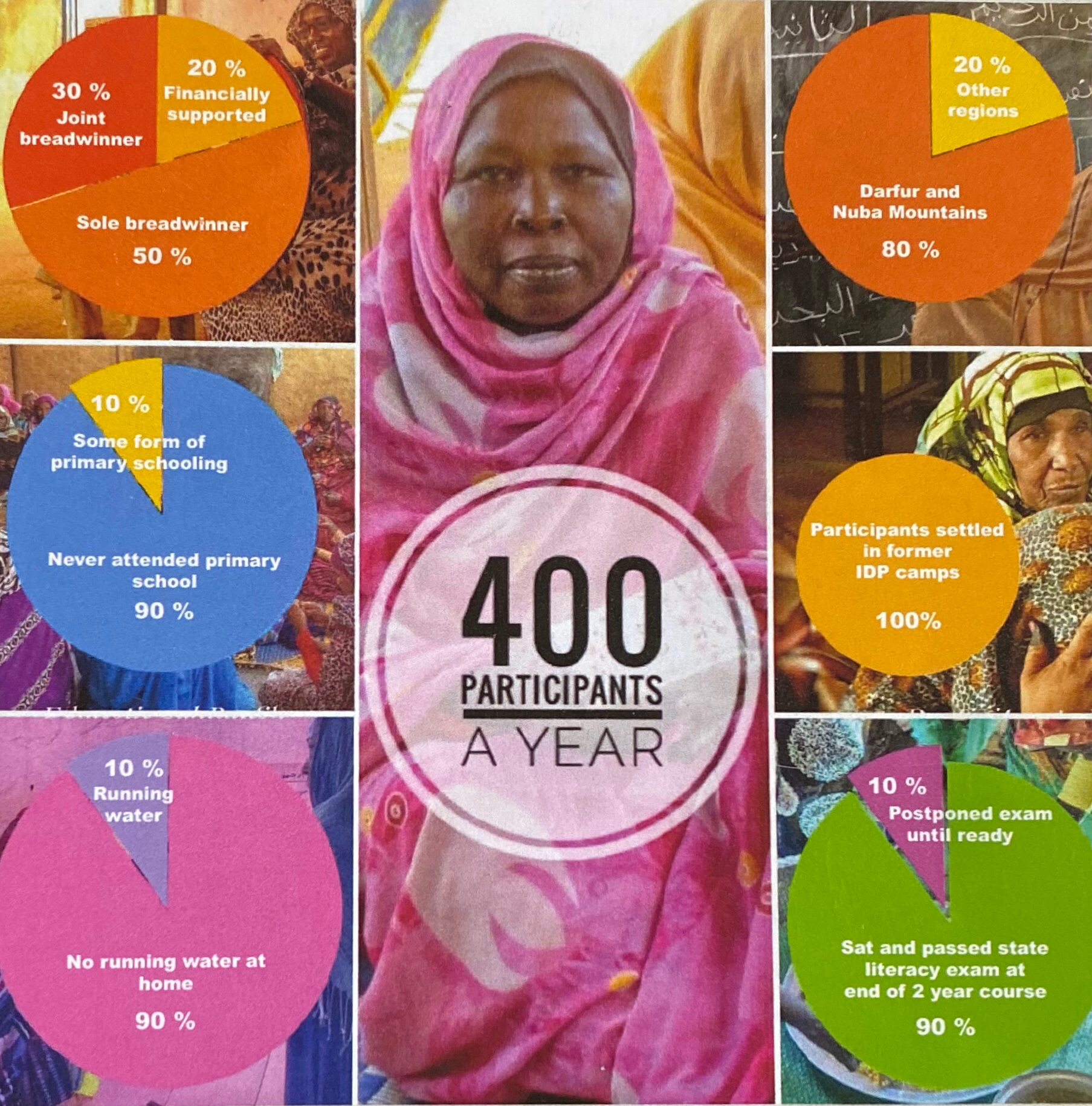
WEP promotes such a varied and valuable range of programmes. We sponsor scholarships for disadvantaged young women to study at university in the Sudan (we currently support over 130 young scholars); we run adult literacy circles for women who have never before had the chance to learn to read and write (we have 400 students); we support basic schooling for orphans of displaced people; and we organize outreach programmes of basic eye care. In South Sudan we hold literacy classes.
Learn more about our orphans schooling program in From Hardship to Hope – Our Orphans Schooling Program

See our Eye Care Outreach in Restoring Vision – Our Eye Care Program
IT: Many charities are facing an existential threat as funding during Covid-19 comes under severe pressure. Why is it so important that our work continues?
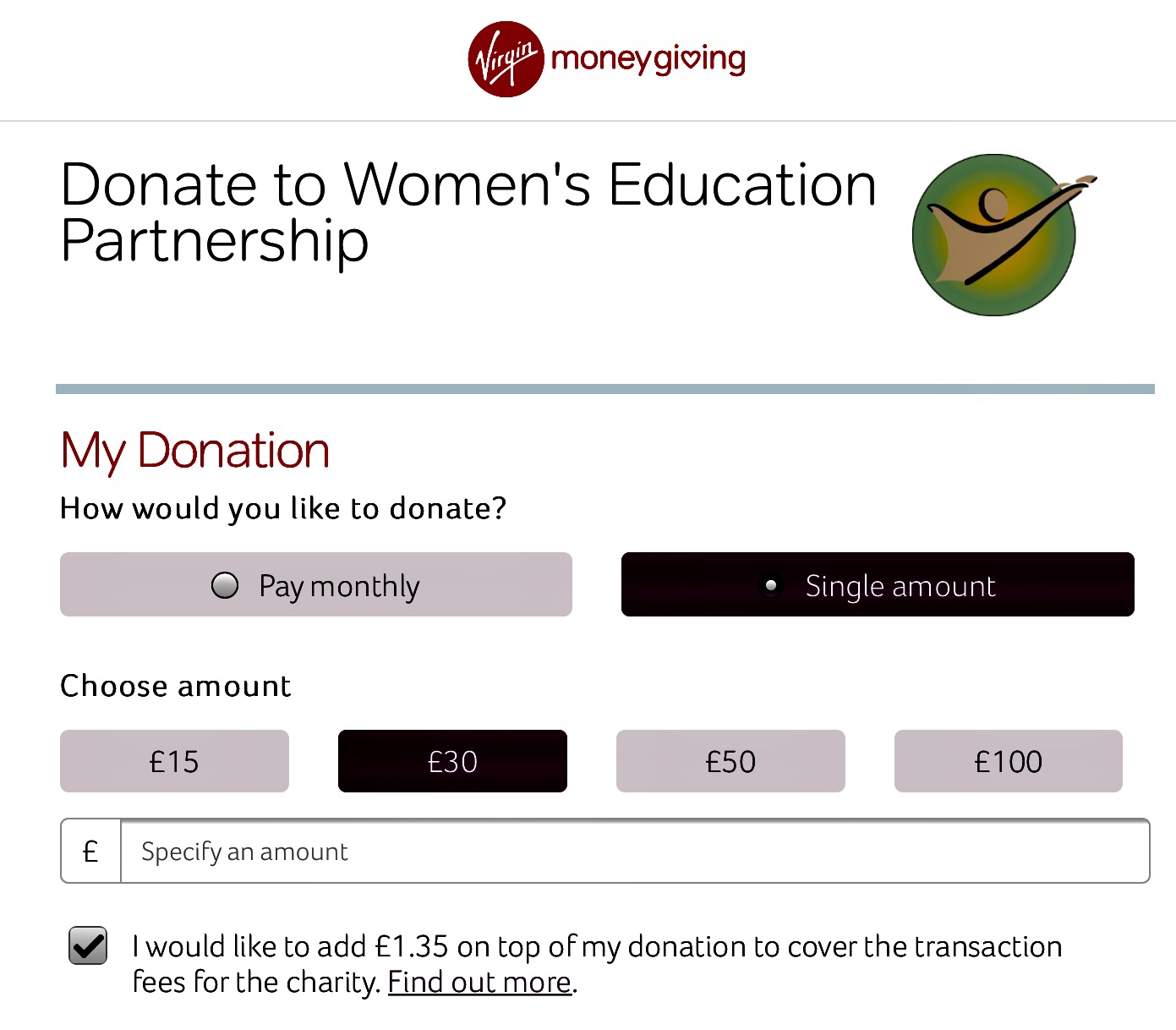
Simon: Covid is causing huge problems for charities, especially financial ones as our sources of grant funding have been hit particularly severely and our personal donations are also badly affected. And we face increased costs. But we are managing these pressures and hope to be able to resume our activities with renewed vigour and commitment when the pandemic recedes. In many cases, WEP is unique in offering these programmes to these learners who have suffered multiple disadvantage, and it would be tragic if the projects were to disappear. So, we say, please donate to WEP if you can – by giving to our Virgin Money page below. Both WEP, and more importantly our learners in the Sudan and South Sudan will be very grateful.
Donate quickly and securely here –
IT: Thank you so much, Simon. We look forward to learning more in your radio interview. Thank you too on behalf of the trustees and volunteers for taking on such a vital role so ably and with such commitment.

This is a literacy post for Women’s Education Partnership.
See At a Glance for more on our mission and impact.
Tune into Cambridge 105 Radio on Wednesday,12th August, at 11.30 am UK time. Click below.
You can listen to Simon’s interview from everywhere in the world. Click the Listen button at Top Right of every page or download the RadioPlayer or TuneIn apps for your device.
 Women's literacy in Sudan