

The Widow
A Poem by Arif Gamal

“There are an estimated 258 million widows around the world, and nearly one in ten live in extreme poverty. The actual number, however, is likely to be much higher and to grow further as the coronavirus and its related effects on health continue to impact global health. As women they have specific needs, but their voices and experiences are often absent from policies that impact their survival.” United Nations (see below).
The Widow
one hundred and twenty-eight days / was the rule for a widow to sit / in the special shed of reeds / where other women could visit her / and sit and talk
thus Fatima “sat” / with other women ringed about her / visiting
and one day her brother-in-law Suleiman / a man of often ill intent and twisted form / made his way to the wall of reeds / behind her seat
although he may not go within / he knew exactly where she was / and placed himself behind her / calling her name in a loud voice / and proclaiming that when the days to sit were over / she must think of no one else but marry him / it must be done
a widow was never permitted / and never did leave the widow’s shelter / before her four months were finished / but Fatima rose up / and took a stick
the women rushed to hold her back / she shook them off with furious twists / and raced out the door to the place / where the arrogant man was seated / and she struck him with the stick / and lifted sand to fling upon him / more painful / with humiliation / than the blows
and she cried out in her strong voice / that from that time on her son Jamal / would be her husband and her son / and never never would she marry / any other man / nor may one even ask
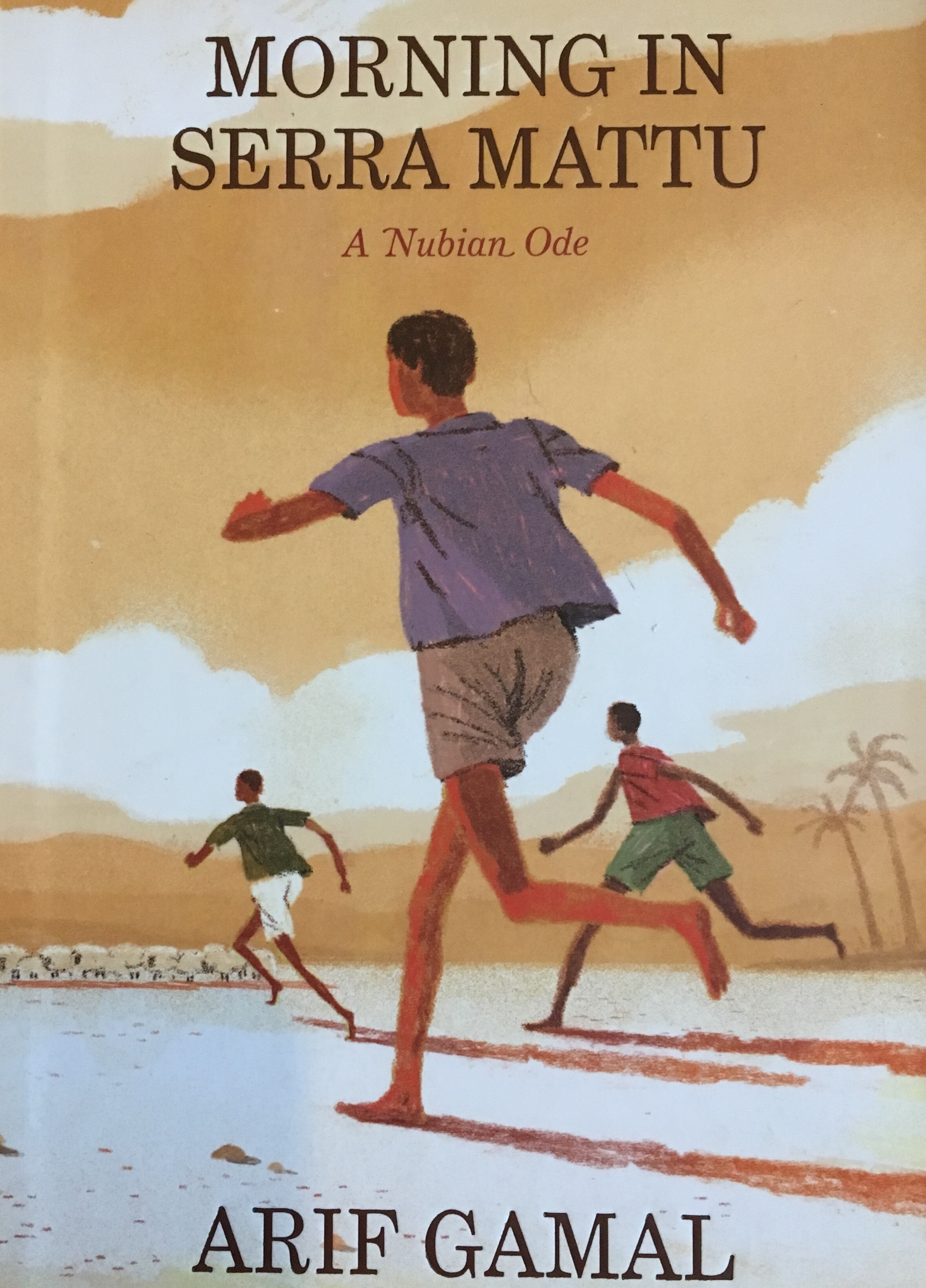
From Morning in Serra Mattu by Arif Gamal as told to E.G. Dubovsky, who recorded it in verse. The poem describes customs associated with widowhood in northern Sudan. Read more of his poetry here.
Below, a widowed friend from Dongola in Northern Sudan, in the early 80s.

This is a cultural post for Women’s Education Partnership. See At a Glance for our mission and impact. We are committed to reaching more older women in our literacy work. Many of our literacy participants are widows and bear sole responsibility for their families.

If you are interested in the role of older women in Sudanese life and their powerful contribution in literacy circles, you might enjoy Grandmother’s School and “Muslim Like My Grandmother

Below, the impact of widowhood on millions of women in the developing world:

 Women's literacy in Sudan