


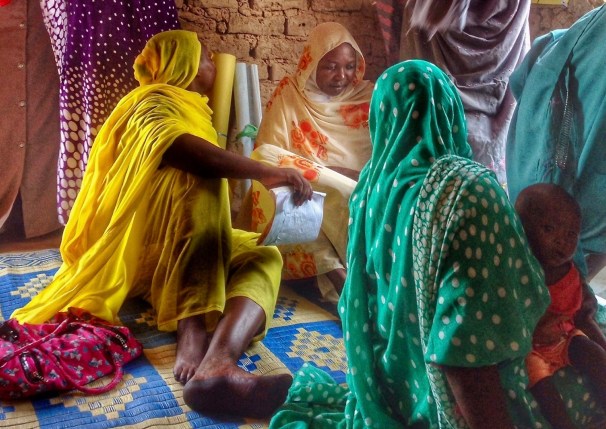
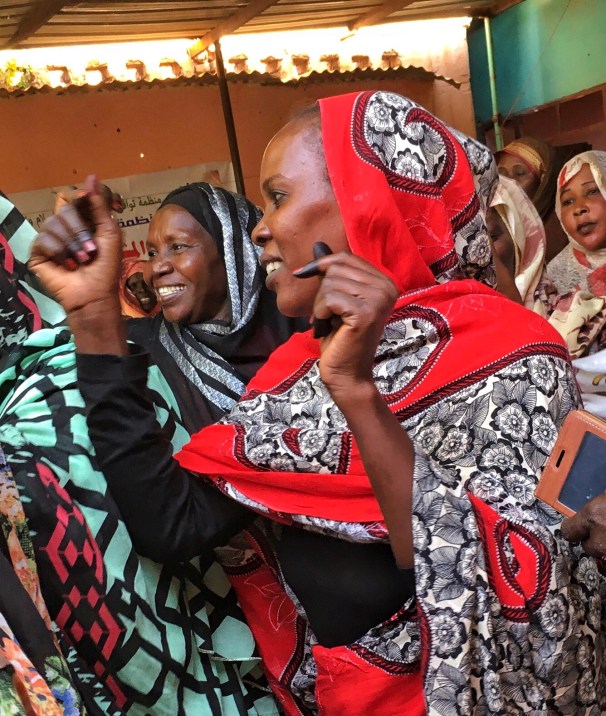
Above, a young mother and her daughter attending one of our literacy circles in 2017.
“Two Fistfuls of Hope” – Mothers, Daughters and The Poetry of Literacy
Two Fistfuls of Hope
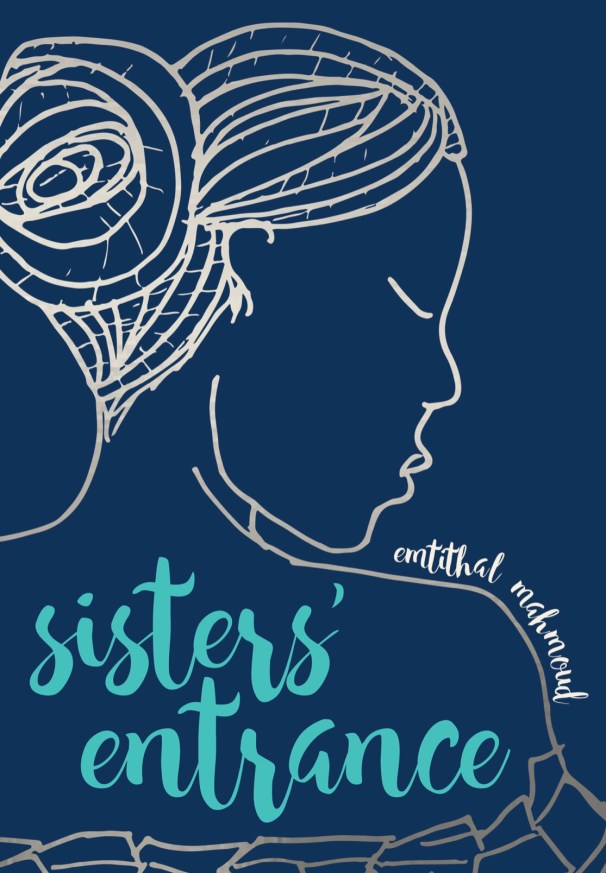
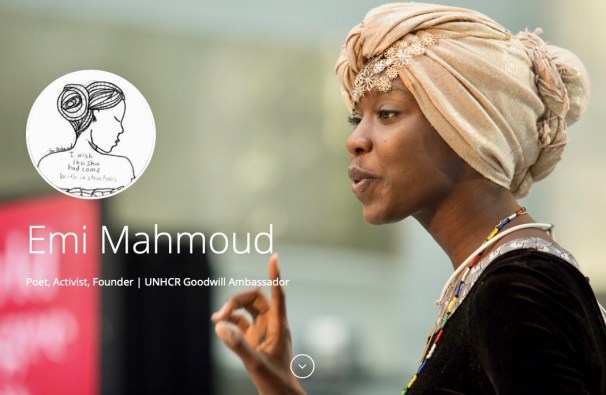
Sudanese-American Emi Mahmoud’s award-winning slam poem, The Things She Told Me, from her debut anthology, Sisters’ Entrance, right, reclaims the legacy of all the quietly courageous women over the arc of time who shape our lives. And like all accomplished poets, Emi distills the extraordinary from the ordinary and the exceptional from the modest and mundane. See too The Guardian Interview
In The Things She Told Me, the poet asks her mother to “lend (her) her strength”. Her mother responds by wordlessly lifting “ an entire planet / from her back”, but it is the small, sacred objects she bequeathes that weigh infinitely more; “rubber gloves from the kitchen sink, the shoes she wore in elementary school, her diploma, / two fistfuls of hope”. Among these gifts, there is also – “a basket full of the finest okra, / an envelope of desert sand, / three safety pins, / ……. and one pen. /“ The Things She Told Me, Sisters’ Entrance, p 32
Listen to Emi Mahmoud performing her poem by clicking on this link.

This is a literacy post for Women’s Education Partnership. See At a Glance for more on our mission and impact
Mothers, Daughters and the Poetry of Literacy
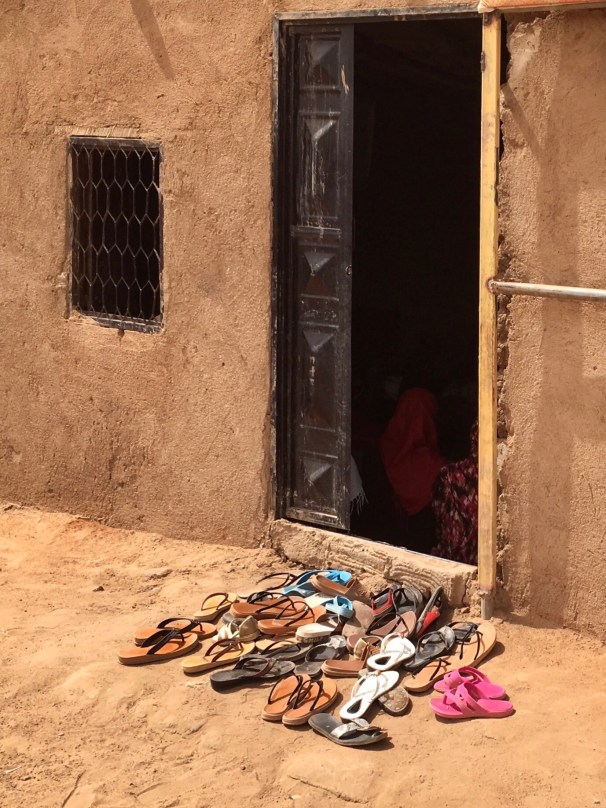
“The Shoes She Wore in Elementary School”
“An Envelope of Desert Sand” “There’s Nothing Fire Ever Taught Me…
The Shoes She Wore in Elementary School
Emi Mahmoud’s work is both provocative and tender, confronting issues such as grief and loss, racism (see Cinderblock, Sisters’ Entrance), Islamophobia and war head-on: “We didn’t stand a chance. / Flesh was never meant to dance / with silver bullets.” People Like Us, Sisters’ Entrance, p8.”
She is also unafraid to skewer assumptions that stifle women both in her homeland and abroad. (See The Bride, Sisters’ Entrance, where she turns her unflinching gaze on both domestic violence and early marriage) Her voice is punchy, angry, witty but never strident. In the face of cruelty, the women she admires “melt hatred and weave compassion”, she reminds us.

Paolo Freire, Brazilian sociologist and educationalist, said that to name the world is to change it and Mahmoud’s work which both unsettles and inspires has certainly challenged and enriched perceptions of Sudanese women’s identities and unsung contributions both among her compatriots and non Sudanese.
The liberating power of education for women is also a centre motif in her work. “For generations, the women in my family / have been denied a seat in the classroom…” (Classrooms, Sisters’ Entrance). In The Things She Told Me, the shoes her mother wore in elementary school, her diploma, her pen are talismans of a covenant of knowledge valued that will now flow from mother to daughter.
The treasuring of education and the sacrifices involved in acquiring it inform both Sudanese culture and Emi Mahmoud’s work and there is an intense awareness of the essential status and right to a public voice that holding a diploma confers. The power of what it means to be literate and recognized as such, the weight of that one pen in the hand.
An Envelope of Desert Sand, / Three Safety Pins
The women attending our literacy program too often have only the bare resources of “sand and safety pins” and out of these they must and do weave resourcefulness. Most are widowed, orphaned and the sole breadwinner of their family. They too have endured the violent conflict and extreme poverty that recur throughout Mahmoud’s work as scars yet to be healed. “I’ve seen sixteen ways to stop a heart.” she tells in People Like Us and “Half the sand in the Sahara / tastes a lot like powdered bone.”

Above, some of our literacy graduates celebrating with their diplomas held high. Literacy participants have to pass the Sudanese Ministry of Education state literacy certificate examinations to graduate. See Celebrating to learn more. See too Three Women’s Stories and Grandmother’s School
“There’s Nothing Fire Ever Taught Me / that my Grandmother Didn’t Already Know”

Woven into Emi Mahmoud’s poetry are the threads of her Sudanese childhood – “memories of my childhood live / between the rings of sand around my ankles / and the desert heat in my lungs” – and the generosity and courage of her mother, grandmother, sisters and aunts living through the hell of war, displacement and loss. A sisterhood who, like her grandmother, threw their doors open “when the famine came.” “I still believe that nothing washes / worry from tired skin better than the Nile / and my grandmother’s hands.” (People Like Us, in Sisters’ Entrance, p8)
And our literacy participants, like Emi Mahmoud’s grandmother, have forged communities of mutual help and support in desperate circumstances. In Choir of Kings, her grandmother’s “blood-orange nails would crack the smoke to drop the cloves in” as she tended her clay fire that fed “the widowed woman and her daughter, / the homeless man by the market / the children carried in by the drought”, the stranger and the refugee. When we establish literacy circles we take the first step in strengthening community lies and forging self-help initiatives. See Literacy Changes Lives and Literacy Circles in Action.
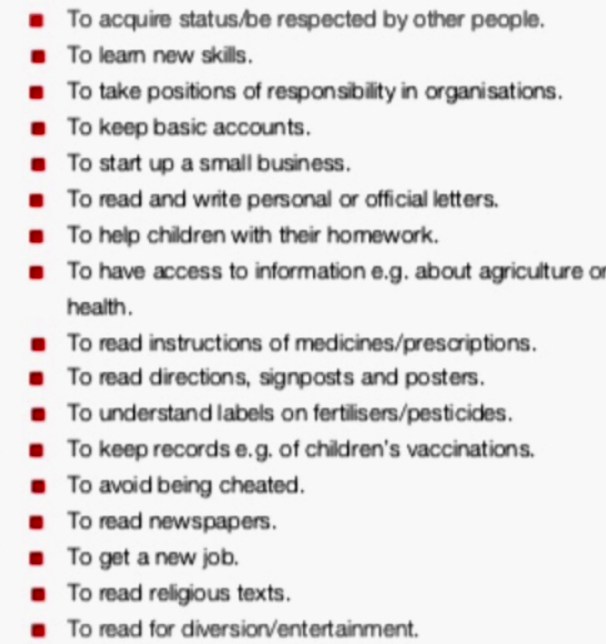
Left, REFLECT Research on what motivates men and women to pursue literacy
Emtithal Mahmoud’s work weighs pain and hope in the balance; “Where I come from, the opposite of learning / is death. The price of speaking is flesh. / The weight of being a woman scars / deeper than the most unforgiving of wounds.” (Sisters’ Entrance, p90) And yet, she carries with her those two fistfuls of hope.
If you would like to know more how our literacy work brings hope and opportunity to some of the poorest communities in Khartoum, visit Community Literacy.
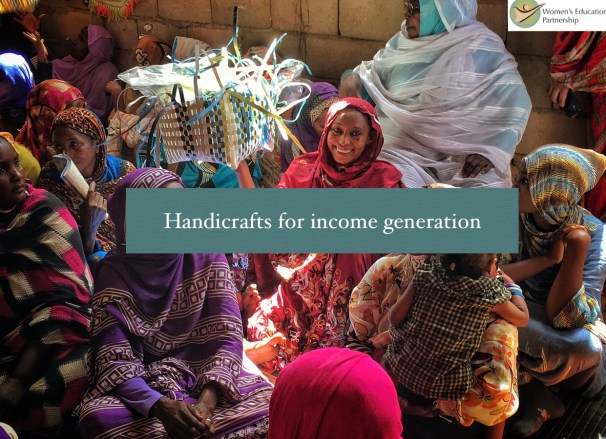
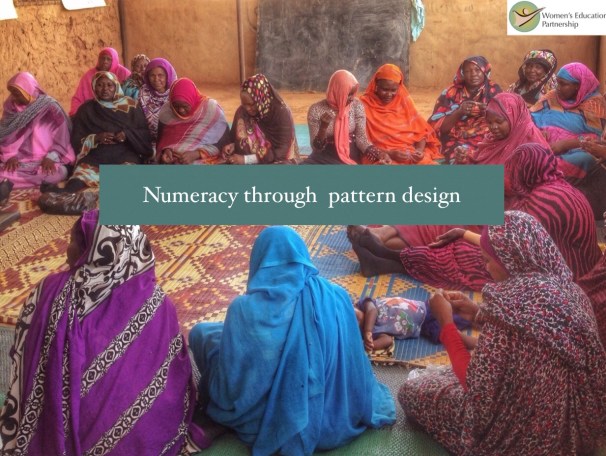
Below, aspects of our Arabic women’s literacy program.



 Women's literacy in Sudan