

Delivering Palliative Care in Wartime
Initiative by Oncologist and Palliative Care Specialist, Dr Nahla Gafer
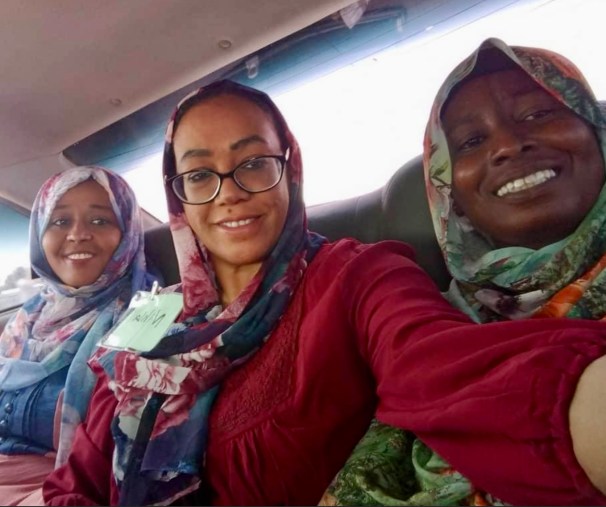
Above centre, Dr Nahla and her colleagues conducting home visits to cancer patients in Khartoum before the outbreak of war in April this year.
Delivering Palliative Care in Wartime – A Little Background

Just over a year ago now, I was privileged to spend several days shadowing Dr Nahla Gafer and her team as they delivered palliative care to their patients in the clinic she co-founded in Khartoum’s Radiation and Isotope Centre, off Qasr al-Nil Street in central Khartoum. I also accompanied her team on home visits around the capital.
It was an intensely moving and humbling experience and a wonderful chance to see firsthand how medical expertise, compassion and dignity can be brought together in warm, practical, and accessible end of life care. Below, an excerpt from the article I wrote on that time, A Quiet Revolution, offering a glimpse into Dr Nahla’s work and the challenges facing palliative care in Sudan.
A new patient comes in and Dr. Nahla invites her to sit down. She’s a young northern Sudanese woman and she has stage three breast cancer. She speaks very softly, almost in a murmur. As I strain to catch her answers to the doctor’s questions, I notice her eyes are heavy with unshed tears. Dr. Nahla absorbs the young woman’s long pauses, waits, smiles, listens, reassures, explains, listens again. There is no hurry. Only when Dr. Nahla sees that her patient can leave with something of the weight of her illness lifted, will the consultation end. And when it does, both the patient and her husband who has sat silently by, his face blank with anxiety, look calmer – as if they have found their sense of direction again.
Read about Dr Nahla and her team’s home visits in Solace

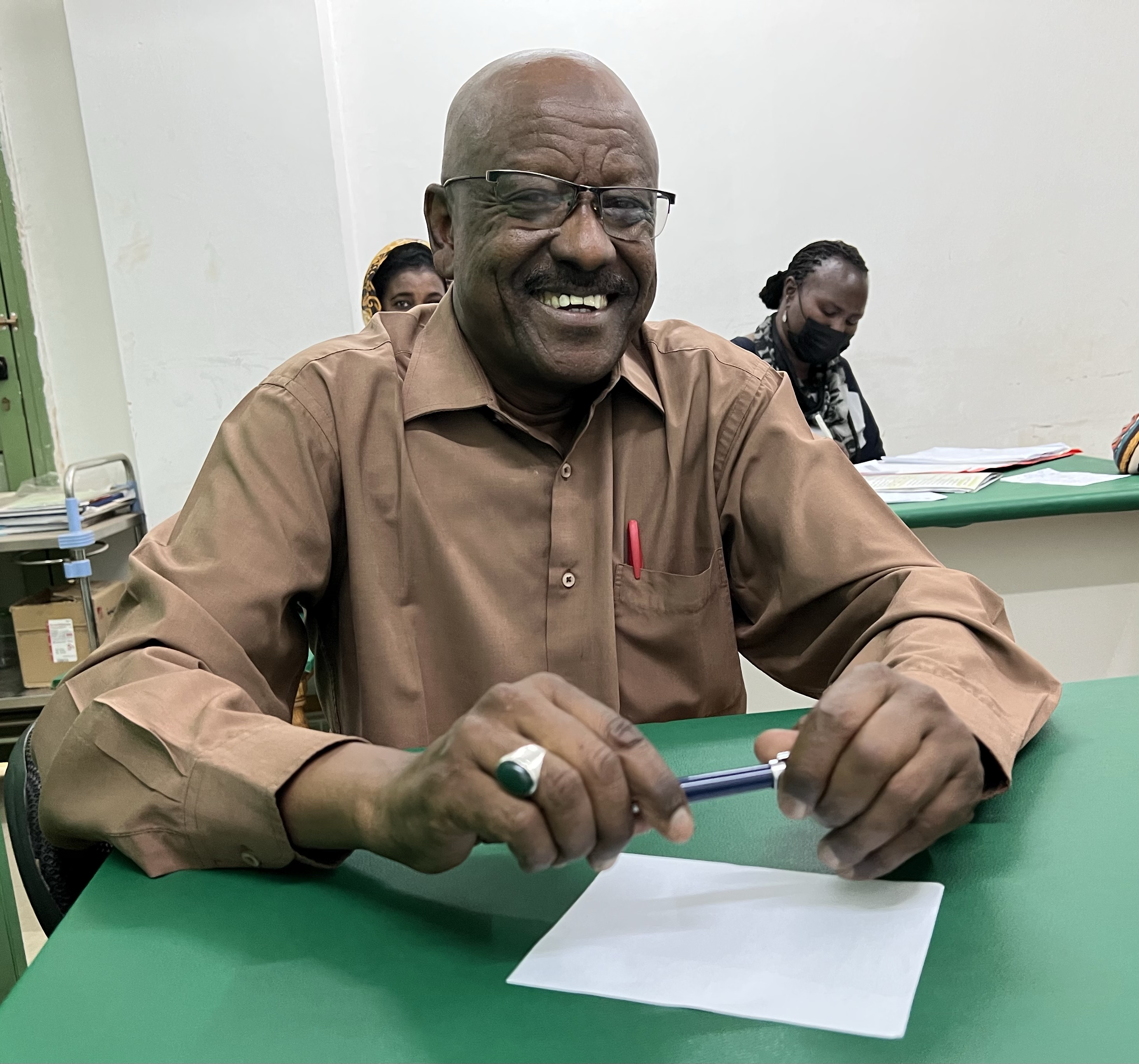
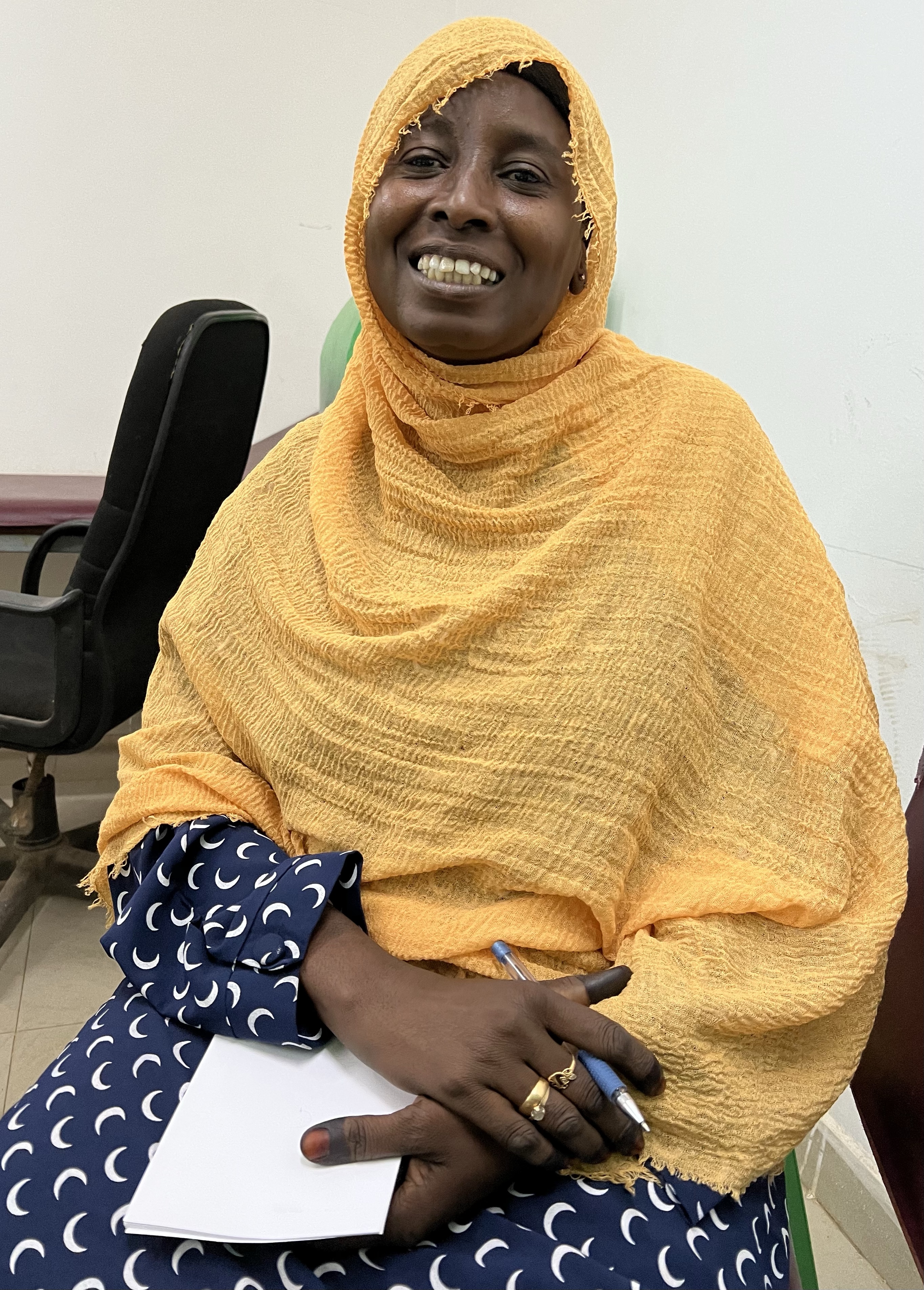
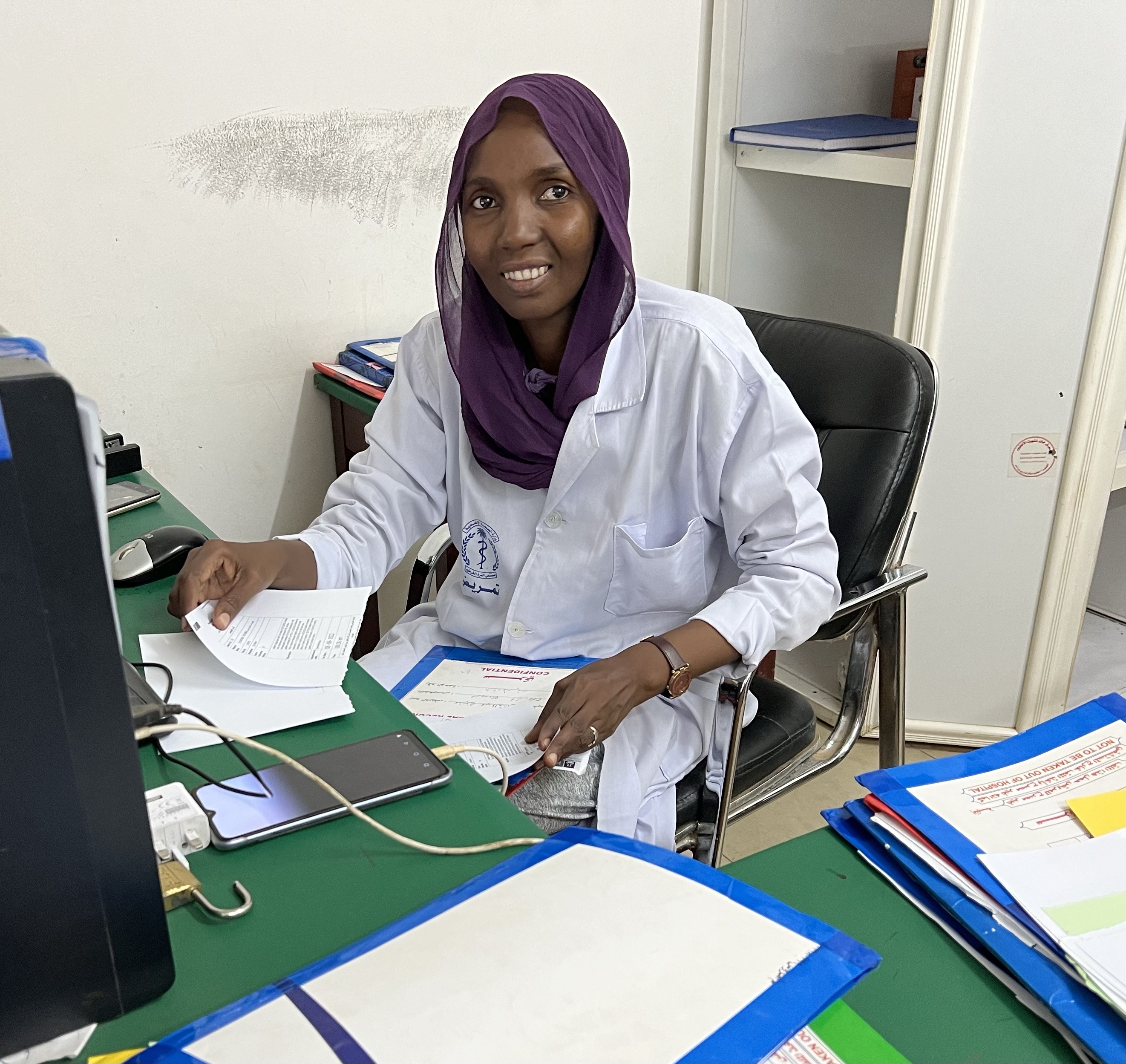
Above, Dr Nahla’s Khartoum palliative care team.
For more background to palliative care in Sudan, please see: Palliative Care for North Africa and the Middle East, Stories from Sudan Palliative care for Cancer Patients to Sudan
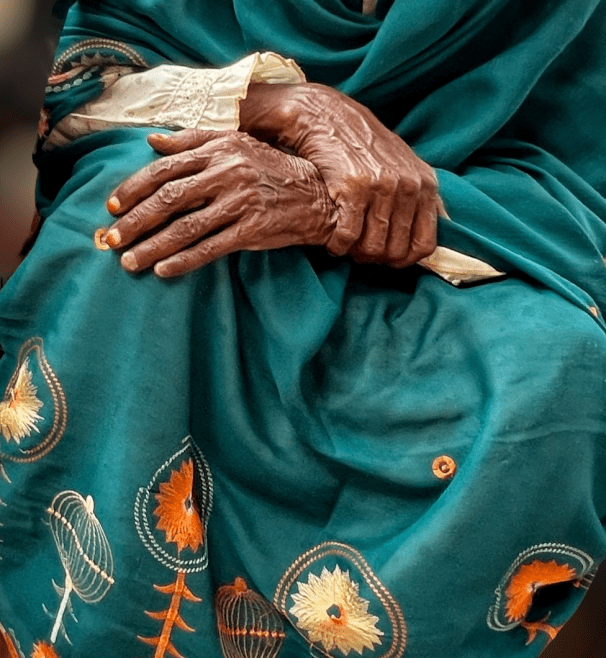
Against all the odds and despite only meagre funding, Dr Nahla and her team were delivering quality, expert care to some of the most disadvantaged and marginalized in Sudan. When I left Khartoum, the future was looking brighter for palliative care. Dr Nahla had succeeded in marshaling government and international support for consolidating and expanding her team’s work.
In April this year, all that came crashing down and central Khartoum and many of its suburbs are now scenes of utter desolation. Hospitals have been bombed and their resources requisitioned, medical staff killed, pharmacies raided and thousands who remain in the capital have no access to basic medical care. Diabetic, heart and dialysis patients have died because they were unable to access care. Women have been forced to give birth without pain relief or medical supervision.
Below, Aljazeera reports on the desperate situation in Khartoum’s hospitals.
Delivering Palliative Care in Wartime
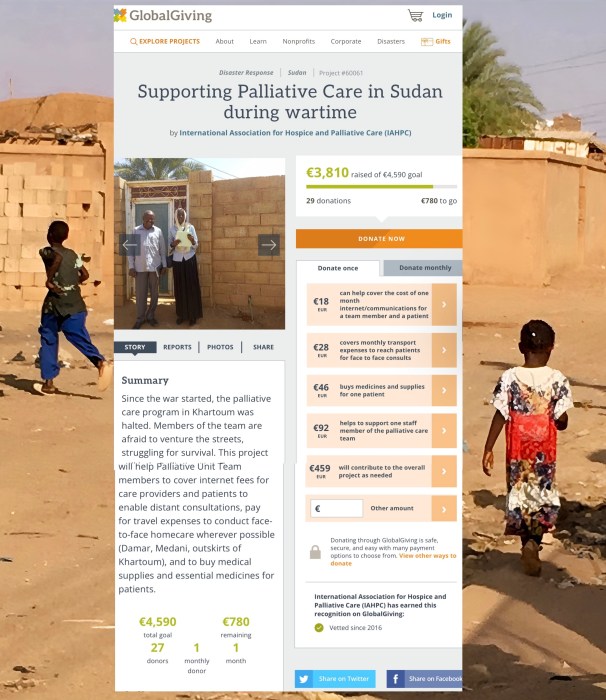
Dr Nahla, and her team are determined that the war will not mean the end of palliative care for their patients both in capital and for those who have been forced to flee to the relative safety of Wad Medani and Damer. Under the auspices of International Association for Hospice and Palliative Care the team are working in incredibly dangerous conditions to ensure that palliative care patients are neither forgotten nor left without the treatment and support they need. The initiative they have set up seeks to meet the costs for virtual and in-person consultations and the medicines their patients need.
Supporting Palliative Care in Sudan during Wartime
Dr.Nahla explains:
As all work and sources of income in Khartoum are at a standstill, members of the Palliative care team need assistance to pay for their essential needs and to continue to care for patients and families. Support will cover their work, internet fees for care providers and for patients for telehealth; Travel expenses to conduct face-to-face home care wherever it is possible; and medical and nursing supplies and essential medications.
The telephones of three staff members are distributed to patients and messages are received and sent via WhatsApp throughout the day. The nurses and psychologists receive phone calls. Joint video calls are scheduled to talk to and visually examine the patient, and/or discuss with the family.
Through this fund, Dr Nahla and her team will:
– Provide medical treatment and psychosocial support
– Provide medicines and supplies for patients
– Provide financial support to palliative providers.

Dr Nahla Gafer
If you would like more information on this vital work or if you feel you might be able to help Dr.Nahla and her team meet their funding target, click on the link below:
Supporting Palliative Care in Sudan during Wartime

 Women's literacy in Sudan