

Seeking Light; Serenity in Times of War

Above, a moment of quiet focus and calm, one of the scenes captured by gifted photographer, Jood Ahmed’ in her series “War and Peace”.
Photographer Jood Ahmed Talks about Her Work
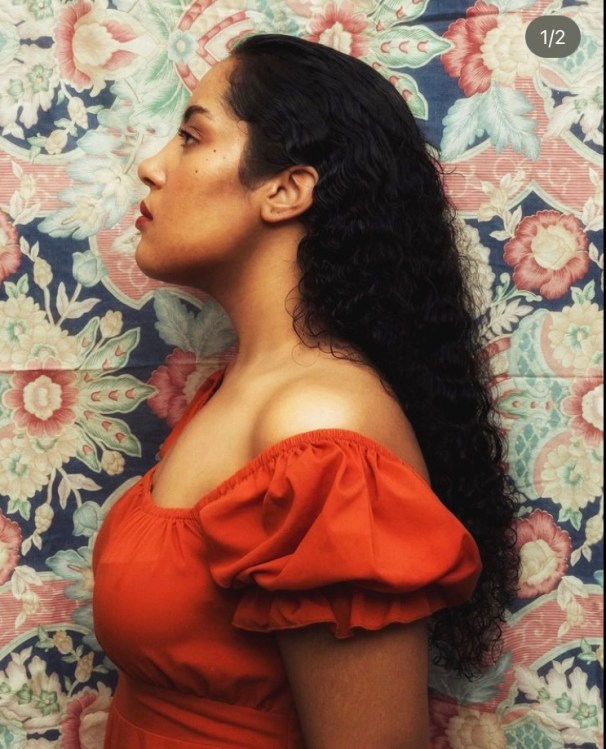
Above, self portrait of the photographer. “Sometimes you are the eye behind and sometimes you’re the picture.”
Jood Ahmed, Seeking Light___Instagram, QR code below:

Seeking Light; Serenity in Times of War
Photographer Jood Ahmed Talks about Her Work
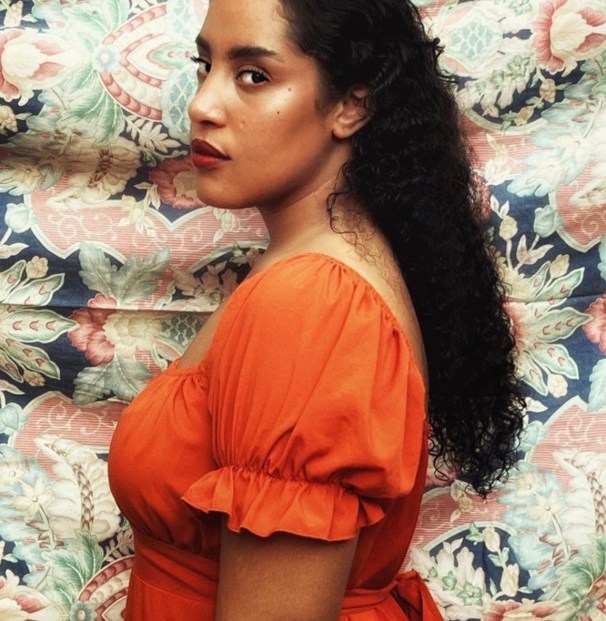
…”and sometimes you’re the picture.” All photographs in this article are copyright Jood Ahmed and are reproduced here with her kind permission. They may not be used without her written consent.
Seeking Light; Serenity in Times of War
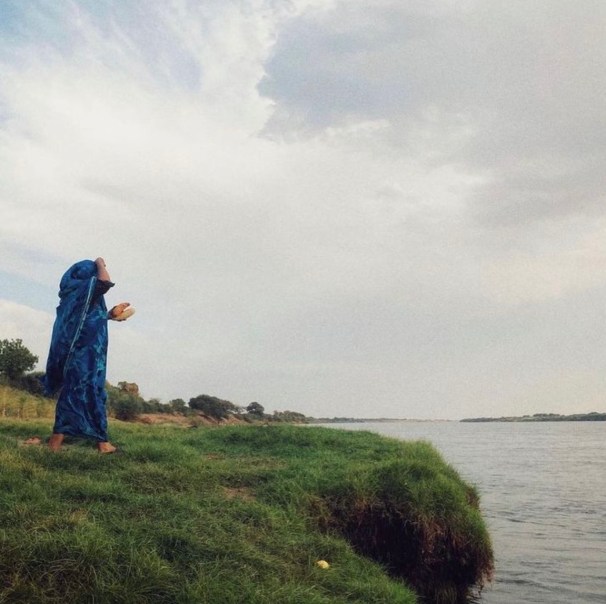
One of Jood Ahmed’s series, War and Peace.
The statistics are chilling. Since the outbreak of fighting in Khartoum in mid-April this year and its rapid escalation into all-out war, Aljazeera, citing UN sources, reports that some 2.2 million Sudanese have been “forced from their homes, including 528,000 who have sought refuge in neighbouring countries.” In a country already living on the knife edge of poverty and economic insecurity, The United Nations now estimates that “25 million people need humanitarian assistance.”
Behind faceless numbers are the heartbreaking testimonies of millions of real people, whose lives have been torn apart as the war takes ever darker and more insidious turns:
“Entire neighbourhoods in the capital, Khartoum, have been destroyed and abandoned after more than a million residents fled. In the western region of Darfur, the fighting has taken on its own ethnic dimension, pitting Arab against non-Arab communities in a terrifying echo of the violence that made it synonymous with conflict for 20 years.”
Sudan’s war after two months: what you need to know
See too:
Sudan crisis still having devastating impact on civilians: UN Rights Office
The Education of a Generation at Stake
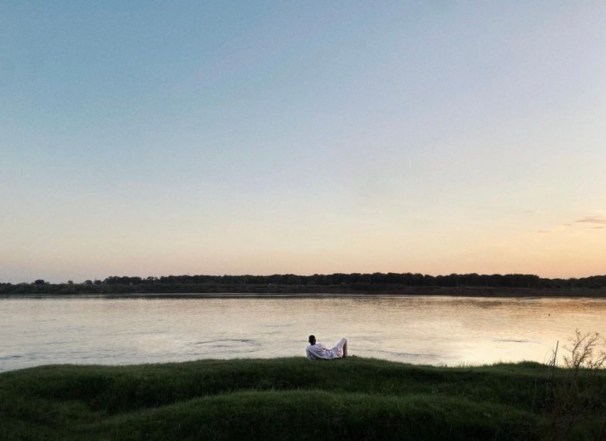
“Since the war started I always feel like I’m disconnected, mismatched and depressed and I can’t stop thinking about our homes, memories and all the things we have lost, and after escaping I only found peace in nature, the movement of the river, the movement of the trees and the sound of the rain and taking pictures.”
Jood Ahmed, Instagram
In the midst of war, the voices of poets, writers and artists urge us to hold fast to our humanity. They offer us insight, compassion and consolation in the darkest of times.
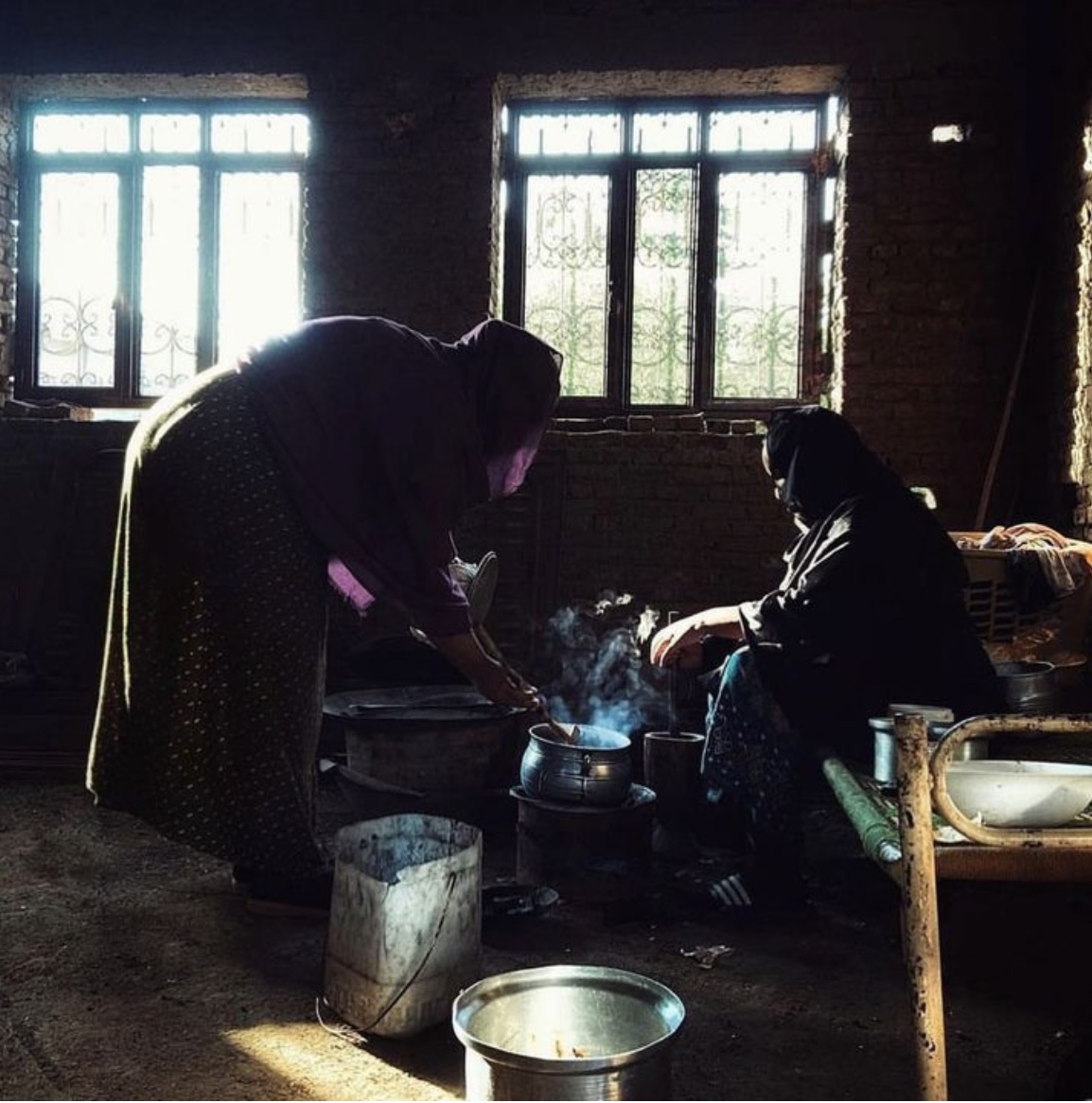
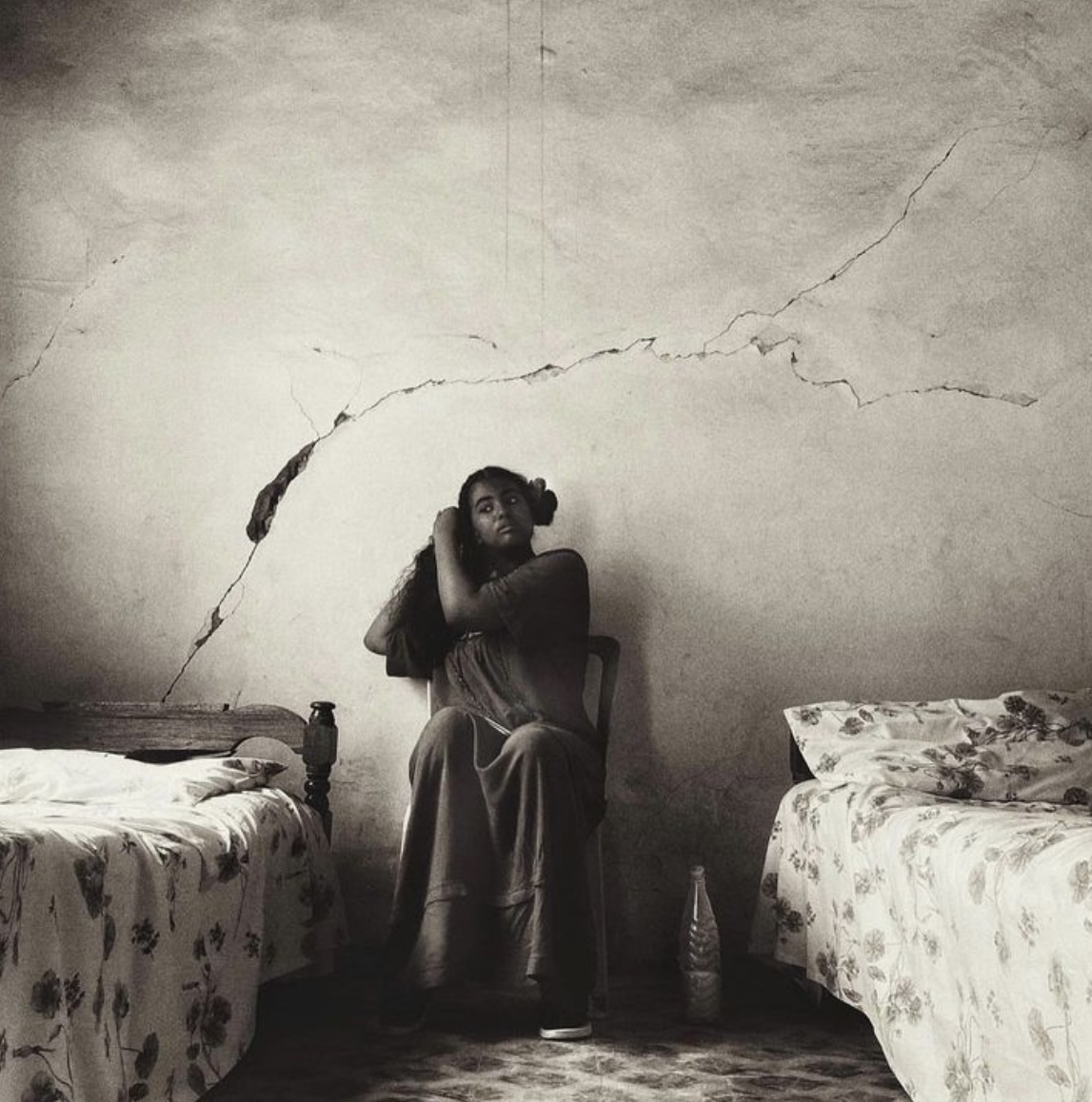
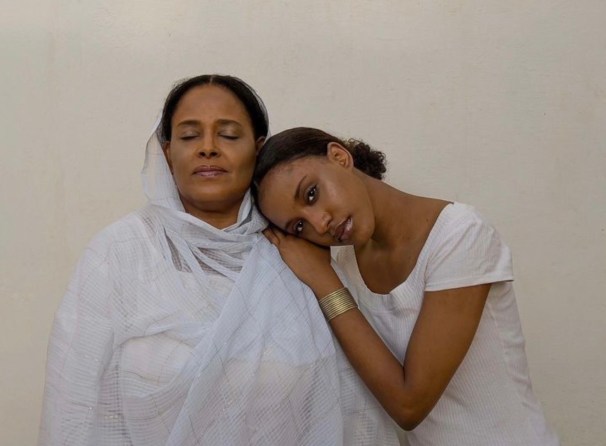
Jood Ahmed is one of those artists and her work offers an antidote to despair. In place of the relentless images of destruction we see daily in the media, the 21-year old’s series of War and Peace portraits, all taken in Sennar during the war, radiate domestic intimacy, serenity and a timeless solidity. They also celebrate moments of profound and tender connection between mothers, daughters and granddaughters as daily life continues.
Jood has exhibited in The Institut Français in Khartoum.
“Taking pictures was the only thing that kept me sane during these difficult times”, she explains.

Below, more from her series, War and Peace:
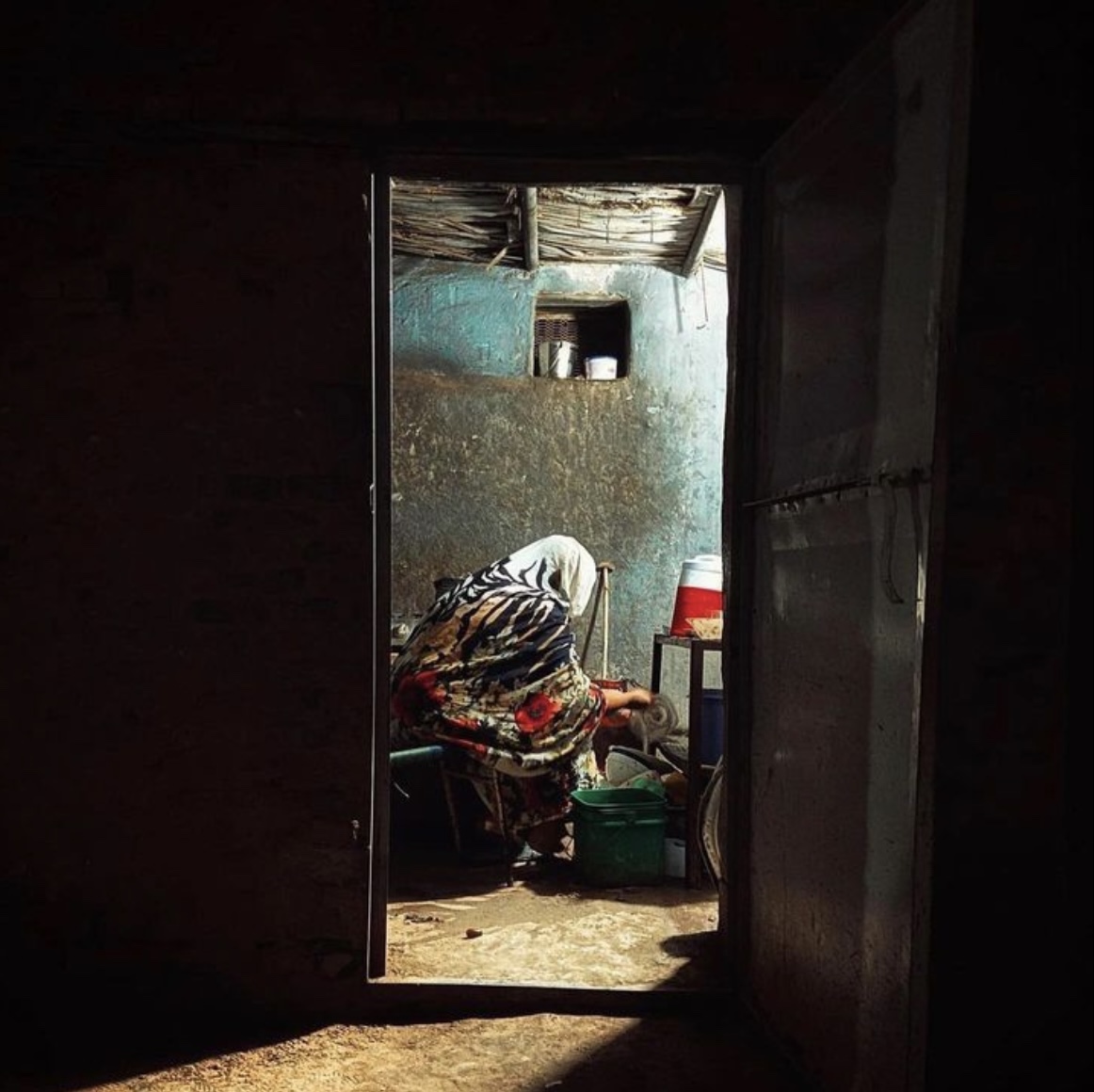
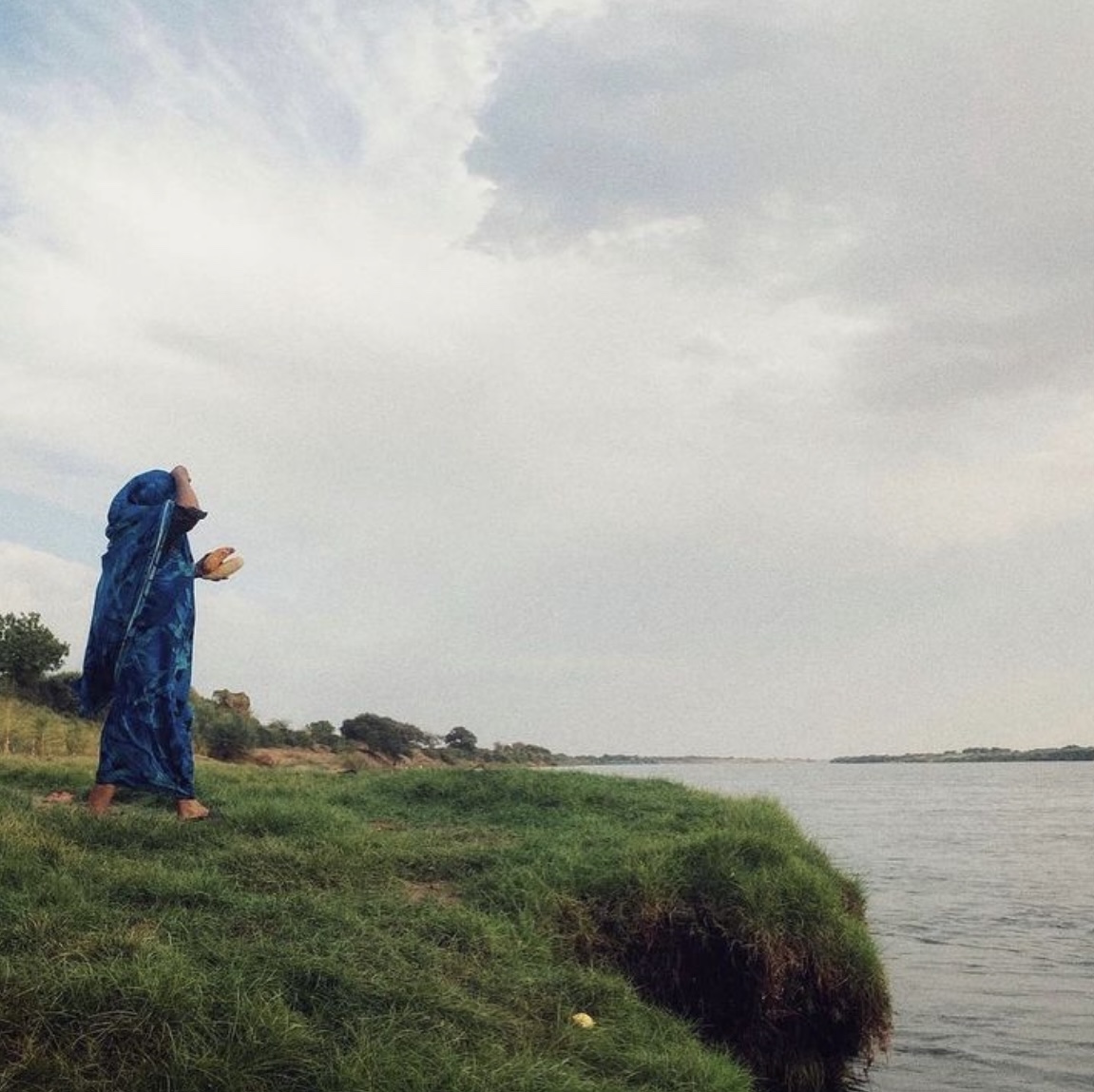

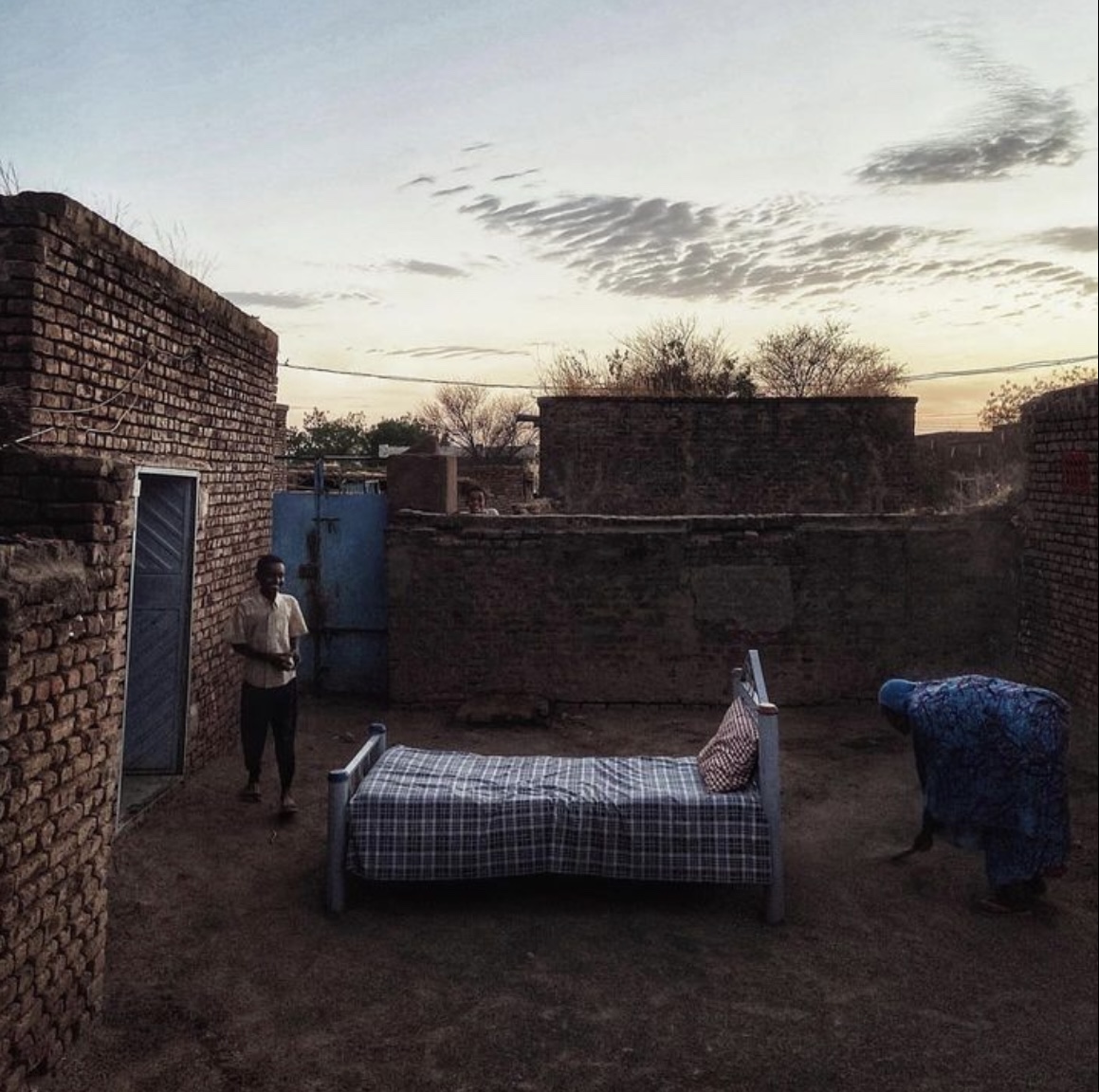
Photographer Jood Ahmed Talks about Her Work
Imogen: Jood, thank you so much for talking with me today, especially in these tragic circumstances for Sudan. Could you tell us a little about how the war has affected you and your family and life in Sennar? How do you feel the war has shaped / is shaping your photography? What would you like non Sudanese viewers to take away from your work?
Jood: On 15th April, I woke up at 9.00am, looked outside the window and all I could see was smoke. I have had a deep feeling since that day that nothing will ever be the same again. We left our homes and lives behind, not knowing if we’d ever get to see them or our loved ones again. I started to feel disconnected, “scrambled” I call it, anxious and depressed. My family and I were stuck in Sinnar State – where we had escaped to at the beginning of this meaningless war – for four months and we had no internet. So, these photos were the only thing that tethered me to sanity and the feeling of belonging and being surrounded by my family and loved ones. In terms of how the war has shaped my work, I feel like it made me pay attention to the beauty of the small, daily things that make us who we are without knowing they mean a lot to us. You asked what I want non Sudanese to take from my work and I would say that I want them – and everyone in fact – to know about Sudan’s great cultural diversity, our traditions, our culture and the beauty of our country. I don’t want the war to make people forget how beautiful and great our country is.
Imogen: One of your Instagram followers noted that your photographs teach us to find value in the seemingly mundane. Could you explain how you came to take your War and Peace series and why you chose the subjects you did? Do you have any favourite photos and if so, which ones and why? Your work also captures relationships between the generations. Can you talk a little about that?
Jood: The War and Peace series wasn’t planned. I just found myself taking pictures of everything to distract myself from the pain of leaving our homes. I do have a favourite picture; it’s the girl braiding her hair because it remind me of vintage Sudanese photographs. I have always enjoyed looking at my parents’ photographs – ever since I was little. The pictures I took represent how I see the transmission between generations among Sudanese women. The stories, memories and moments captured are based on my personal experiences and what I witnessed growing up in a family with strong, independent and loving women.

Imogen: Could you talk a little about the context of the photo above?
Jood: I was sitting in the kitchen with my family and they were making food and I watched the scene and thought it was beautiful and then a specific moment came up and I felt that it needed to be captured, so I did.
Imogen: Finally, what artistic projects would you like to develop next and why?
Jood: I want to experience working on movies and commercial sets in the future because film and photography are some of the mediums I wish to further experience in a more personal setting to help me develop and grow, both as an artist and personally.
Imogen: Jood, thank you once again for your kindness in speaking to me today. I know everyone wishes you continued success with your photography and we very much look forward to seeing more of your work.

For more on creative life during wartime in Sudan, see
 Women's literacy in Sudan