

Sudanese Fermented Foods Part 2; Kisra
As part of my continuing tribute to the late Dr Hamid Dirar, biochemist and world expert in Sudanese fermented foods, this week’s post is a celebration of the tangy, lacy, wafer-thin Sudanese pancake bread, known as kisra.

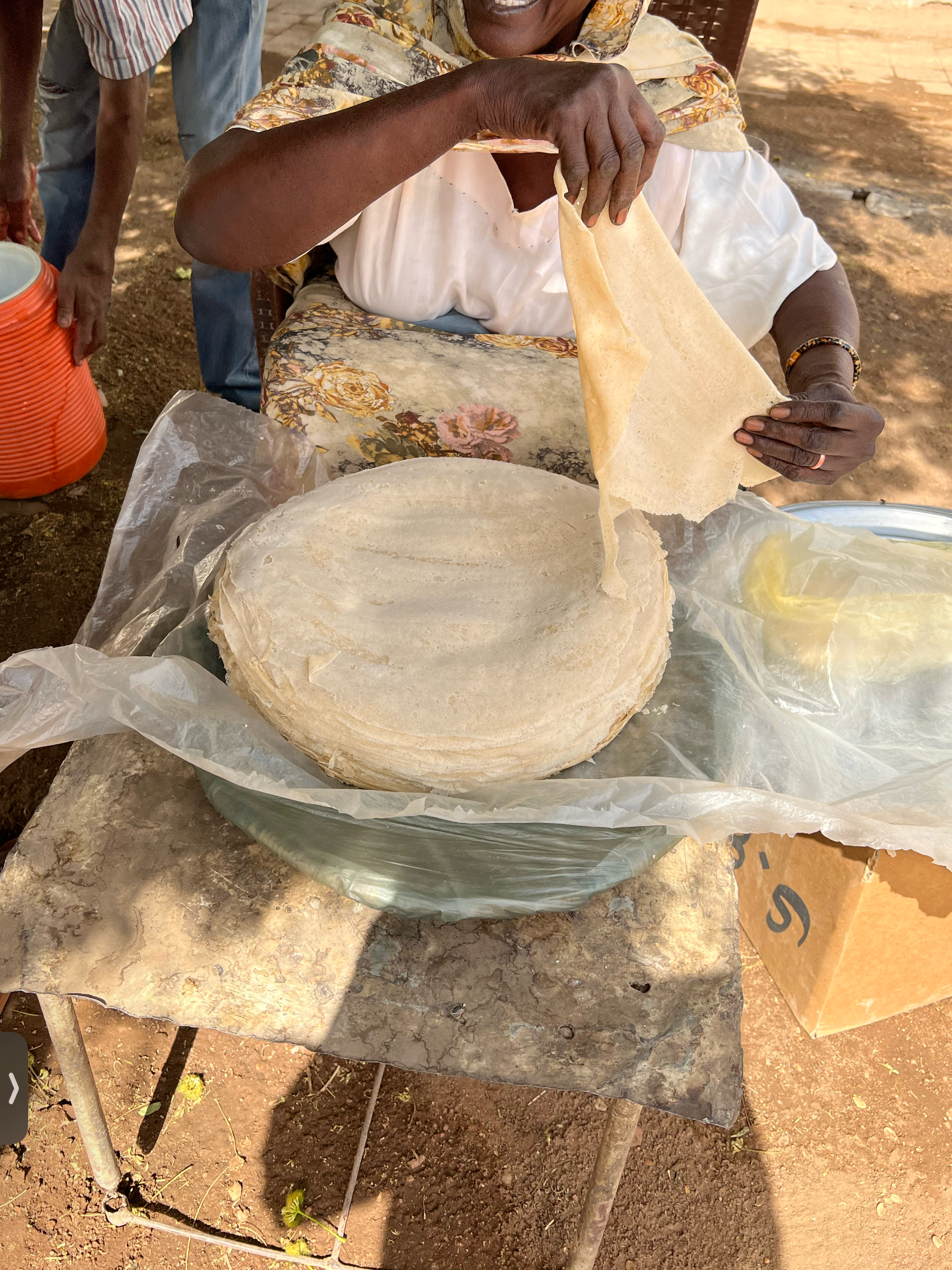
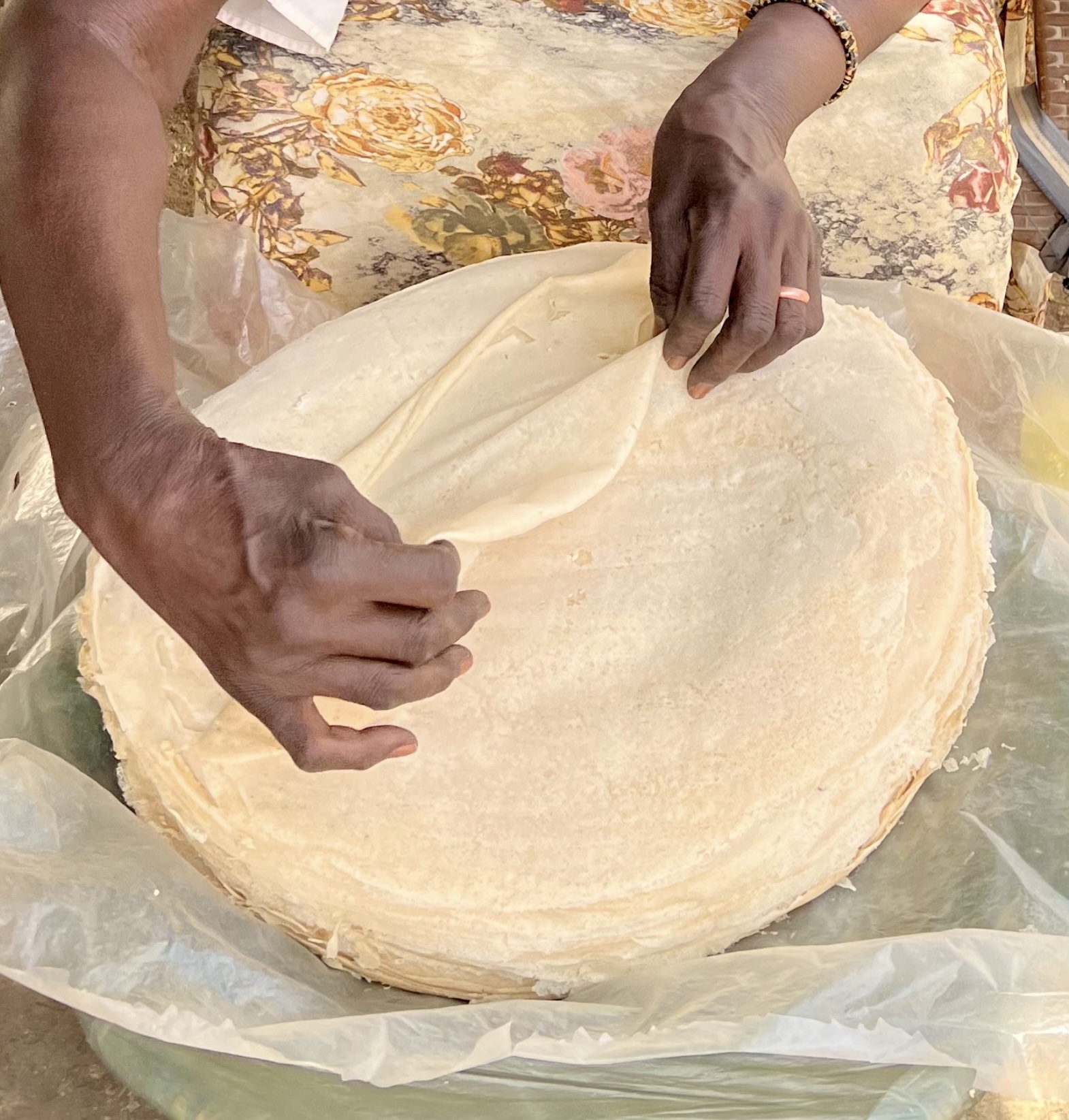
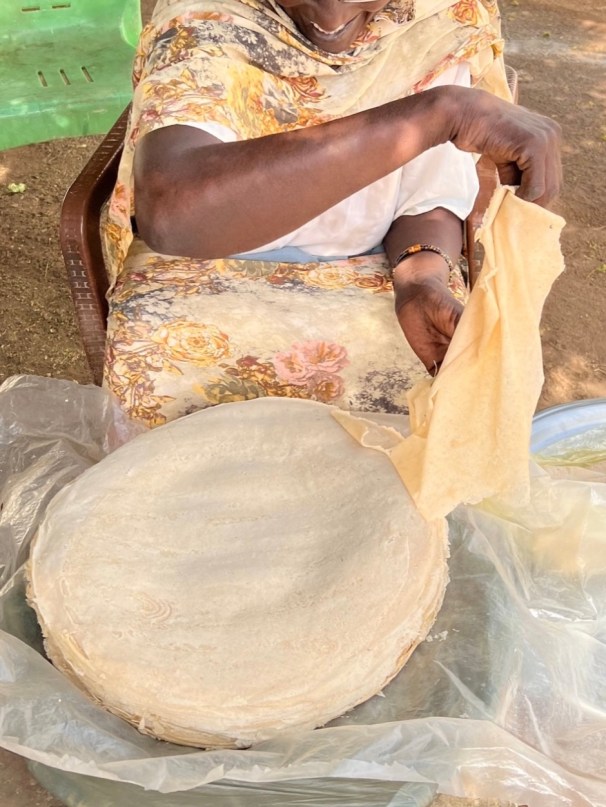
Above, a kisra seller folding her delicate sheets of sorghum bread, central Khartoum, 2019. During my month-long stay in the capital last summer, I would look forward to passing by her roadside stall in the swiftly gathering heat of early morning. We would chat and put the world to rights as she deftly parceled up neat pockets of kisra and wrapped them in plastic. This lovely lady is one of millions of Sudanese women who daily sustain and improve “food security at national, community and household levels“ through their knowledge of the preservation and fermentation of basic foods.
Sudanese women and traditional uses of fermented sorghum
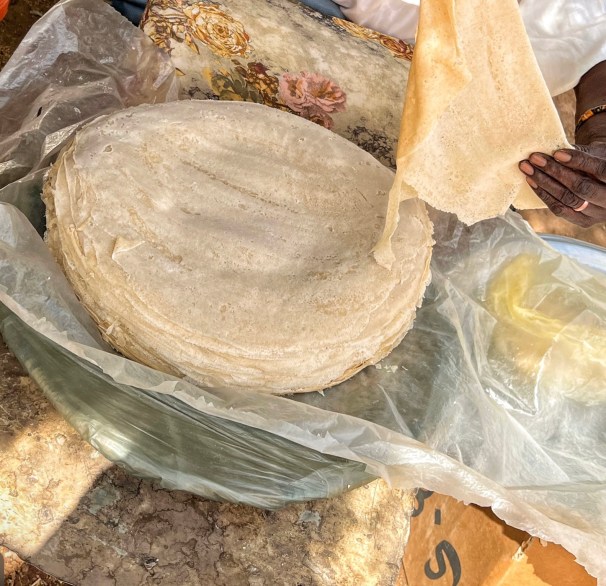
Kisra, with its slightly peppery, sour tang, makes a delicious base for Sudan’s iconic mulah and tabikh, vegetable and meat gravies, soups and stews, such as Umm Shi’eifa and the cured meat dish, shamūt. It is also wonderfully portable; in Northern Province in the past, children would often be went off on long trips with snacks wrapped in kisra.
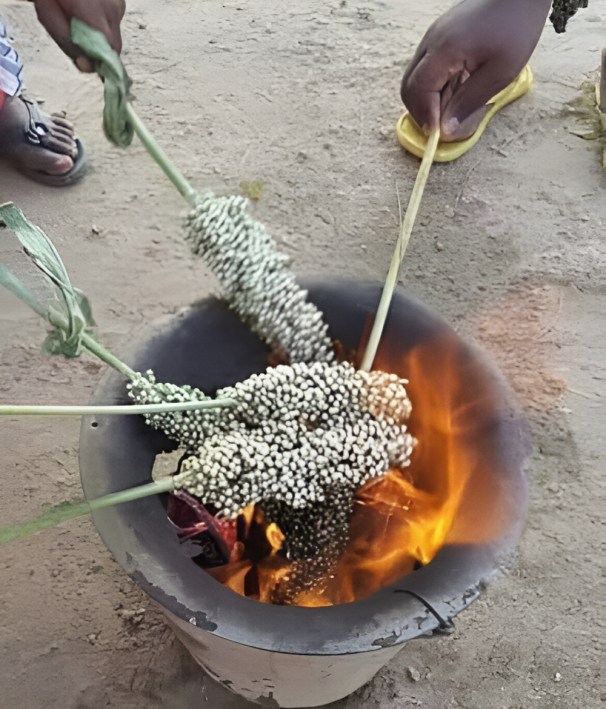
Photo above, grilling early harvested sorghum, Sudanow. Sorghum, Sudan’s Staple Food of All times
Kisra is often made of fermented sorghum flour (feterita and tabat varieties). Sorghum is one of the main staples for the world’s poorest peoples and is the most important cereal crop in Sudan, occupying about 40-48% of land used for field crops. Sorghum has become the staple food for the vast majority of Sudanese.
(Sudanese women and traditional uses of fermented sorghum)
While kisra made of “sorghum, guinea corn or wheat and dressed with gravy” until recently constituted the commonest dish in Sudan’s central regions (Dr Ahmed Al-Safi), in Kordofan and Darfur, millet flour kisra is more prevalent. There are several foods known as kisra, including kisra baida, fermented millet bread of western Sudan, Kisra ‘asala, a sweet or honey bread of milled millet, made into a stiff porridge, kisra hamra, where millet malt is added, and kisra kas, a common traveller’s food in western Sudan where fermented dough is baked, sun-dried and crumbled into smaller flakes and eaten after adding water, without salt or sugar (Dr Ahmed Al-Safi). There is also the magically named “five birds”, another western Sudanese traveler’s food consisting of enriched kisra ‘asala; a mixture of millet flour, millet malt, sesame or groundnuts, sugar and salt, and which was eaten with a little water (Dr Ahmed Al-Safi, Traditional Sudanese Medicine).

Al-Safi, in a fascinating footnote, adds that kisra dough was used in central and northern Sudan to purify water in the past. A thin film of dough would be spread over turbid water to coagulate loose particles and other impurities. In the past too, fakis would prescribe the mentally ill a diet of salt-free kisra with water and oil in their sparse confinement.
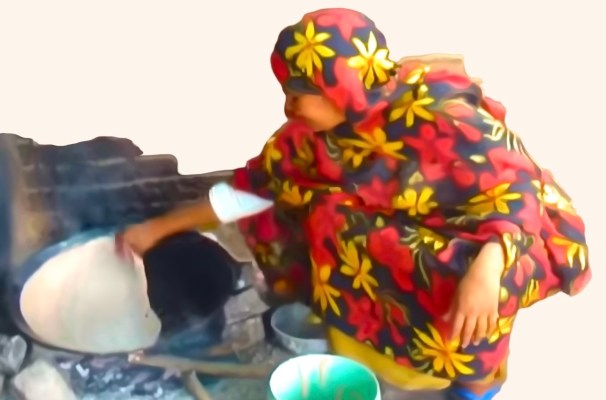
Above right, peeling a sheet of cooked kisra from the traditional wood fire or charcoal hot plate, known as a dōka. A large pan or sāj can also be used.

Above, Batoul, a Khartoum kisra seller, with her store of sprouting sorghum seeds, known as ziri`a, that form the basis of the recipe. Like so many Sudanese women, she supports her family by making and selling kisra and kisra-based foods, both for everyday consumption and special occasions such as wedding and funeral feasts. Watch her story and learn the terms specific to kisra making in Sudanese colloquial Arabic in Sitt al-kisra.
The traditional skill of kisra making at home has become an ever more vital cottage industry at a time of increasing economic hardship. Describing living in Omdurman in the late 1970s, Anne Cloudsley wrote:
“Khadiga was an awaazah, that is to say she made kisra (unleavened bread) at well-to-do homes in Omdurman where the servants are usually adolescent southerners and have nothing to do with food or the preparation of it: the women of the household always do this. The making of kisra, however, is an exception. It is a very arduous task. Men bake loaves of bread at bakeries but do not make kisra. Khadiga earned about a guinea a month doing this work…”
Women of Omdurman, 1983
Photos above and below, stills from Sudania 24 TV.

Above, Batoul leans over the scorching hot griddle to spread a wafer-thin layer of fermented batter, the `ajiin, across its surface. She uses a thin strip of wood or palm fibre known as a gergeriba to lightly coat the dōka. The process of making kisra is known as `awaasa. The batter is baked for twenty to thirty seconds at 150-160 degrees and the dōka or sāj briskly cleaned with an oil or fat-soaked cloth.
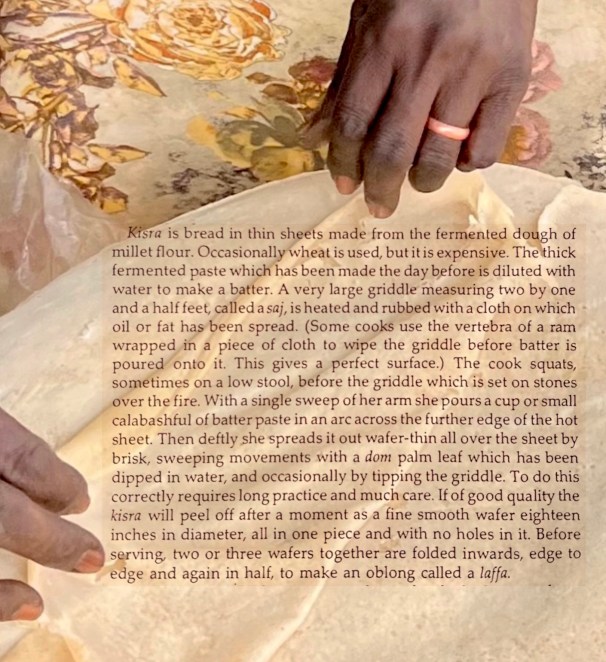
Above, making kisra in Omdurman in the mid-late 1970s, extract from Women of Omdurman, Life, Love and the Cult of Virginity, Anne Cloudsley, 1983.
The kisra making process begins with the soaking of sorghum grains in water for 24 hours. They are then spread out on trays, regularly moistened and left to germinate for six days. After drying for three days, they are stone-milled into flour. The fermented batter is made from a “starter of bacterial or fungal fermentation of sorghum flour”. Dr Dirar notes that the traditional starter is simply a portion of the previous batch of fermented dough, khammar, left behind in the fermentation jar or khummara, a large earthenware container. The batter is a mixture of flour and water (ratio 1:1.25). The starter is added to the batter and left a further 24 hours.
Sudanese women and traditional uses of fermented sorghum
Traditional Sudanese Foods: Sources, Preparation, and Nutritional and Therapeutic Aspects, Abdalbasit Mariod
Research indicates that the fermentation process aids protein digestibility of the sorghum and reduces the negative effects of tannins present in the grain. It also eases the baking of very thin sheets; “in fact good kisra cannot be made from totally unfermented sorghum dough” (Traditional Sudanese Foods).
Kisra has anti-colesterol and anti-inflammatory properties and is a cheap, accessible source of protein, vitamins and minerals. Millet kisra is gluten-free and contains silicon, iron and magnesium, beneficial for bone and joint health, hair and nail growth.
Below, making kisra at home today:
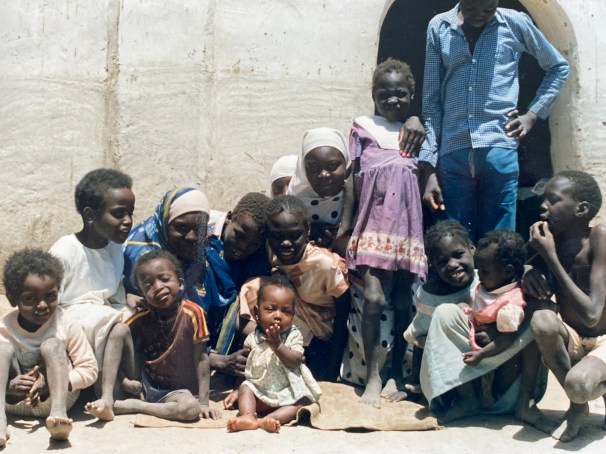
Below, village children near Dongola in early 1980s waiting in the late afternoon sun while their mothers pounded sorghum and stooped over griddles to prepare burnt russet-coloured hilu murr and its creamy white sister, “abre”, Ramadan cousins of kisra.
Below, a detailed description of hilu murr.

The Indigenous Technique of Making Hilu-Murr

 Women's literacy in Sudan