

One Year On
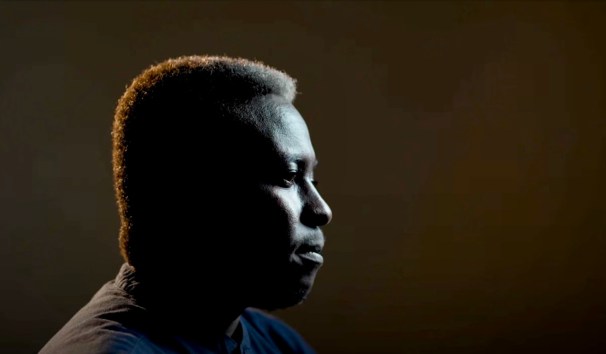
Photographer Ala Kheir documents the On-Going War in Sudan for UNHCR
This week’s short post is dedicated to a 6-minute documentary, embedded below, made by Sudanese photographer, cinematographer and co-founder of the Sudanese Photographers Group, Ala Kheir, (Nyala, 1985). In a country where it has always been dangerous to be a photographer, in April last year, Ala found himself taking on the role of war correspondent in Khartoum, recording what he witnessed as gunfire and shells rained down upon the city that has been his home for so many years. It is a city Ala Kheir knows intimately and has lovingly documented, capturing the changes in its economic fortunes, its evolving urban architecture over the decades, (Street Photography: A Glimpse Into Khartoum Architecture and Urban Design) portraying its political and social forces at work, and zooming in on the tensions between centre and periphery. All as part of his commitment to help Sudanese to understand one another.
See too Ala Kheir Wikipedia
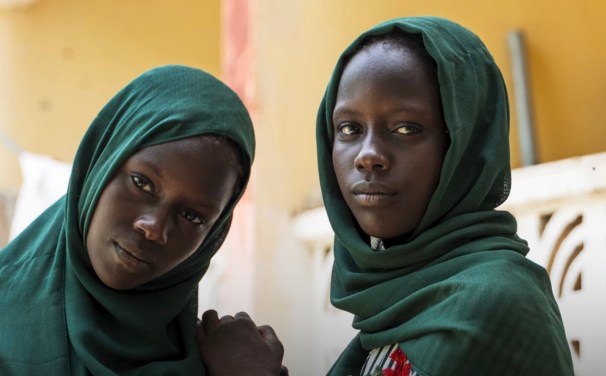
Above, Suhaila and Suha, 12-year old twin sisters from Darfur, possessing a courage beyond their years, still from the documentary Sudan through Ala Kheir’s Lens, embedded below.
Ala has continued to document the on-going conflict in Sudan (see A Fractured Life in Limbo) and, true to his vocation as a narrative photographer, is determined to bring the stories of the victims of this war – Sudanese civilians, to the world’s attention. Keenly aware that the camera can be both intrusive and exploitative of its subjects at moments of intense vulnerability, his work is profoundly compassionate. “Women”, he notes, “suffer so much more pain than men”, and the intimate portraits of the remarkable young women featured in this documentary are a testimony to their courage and resilience.
See too A Teashop in Khartoum before the bombs: Ala Kheir’s best photograph.
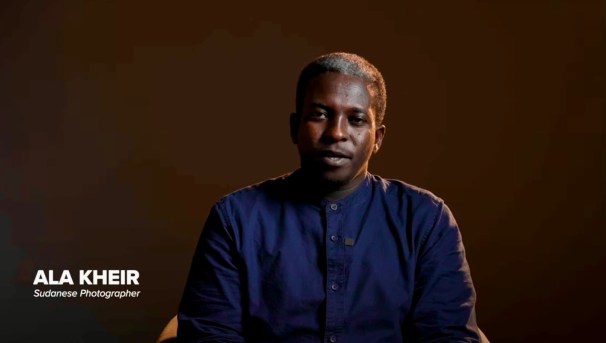
Although a graduate in mechanical engineering, Ala found himself increasingly drawn to photography as a career, seeing it as a vehicle for exploring “how Sudanese and other Africans see themselves and how they can connect with each other”, and in the process, challenging stereotypical views of the continent. In photographing life in Khartoum among communities that differ widely in socio-economic status, he sees “the same issues as found in the separation of Sudan and South Sudan”.
Ala has been closely involved with the documenting and preservation of work by leading first generation Sudanese photographers, such as Rashid Mahdi, as well as collaborating with the work of Durham University Photographic Archive. Sudanese pioneers of the country’s “golden age” of photography as well as westerner photographers such as Robert Adams and George Rodger have been sources of inspiration to this self-taught photographer. See too Photography Legacy Project Ala Kheir and PLP Archive Ala Kheir presentation
In 2019, Ala Kheir went out daily into the streets of the capital to document a revolution he was openly proud to support, “so people would know and so people could join”. It was incredibly dangerous to be a photographer at that time as live ammunition and teargas “fell like rain” on those marching. Among the many iconic images he captured were those of a middle-aged man, clutching a handful of fresh green leaves to his nose to counteract the effects of teargas as he continues to march through smoke-laden air, and the moment a young soldier refuses to open fire on demonstrators; a fleeting, intensely poignant but pivotal turning point in the course of the revolution, (An interview with Ala Kheir).
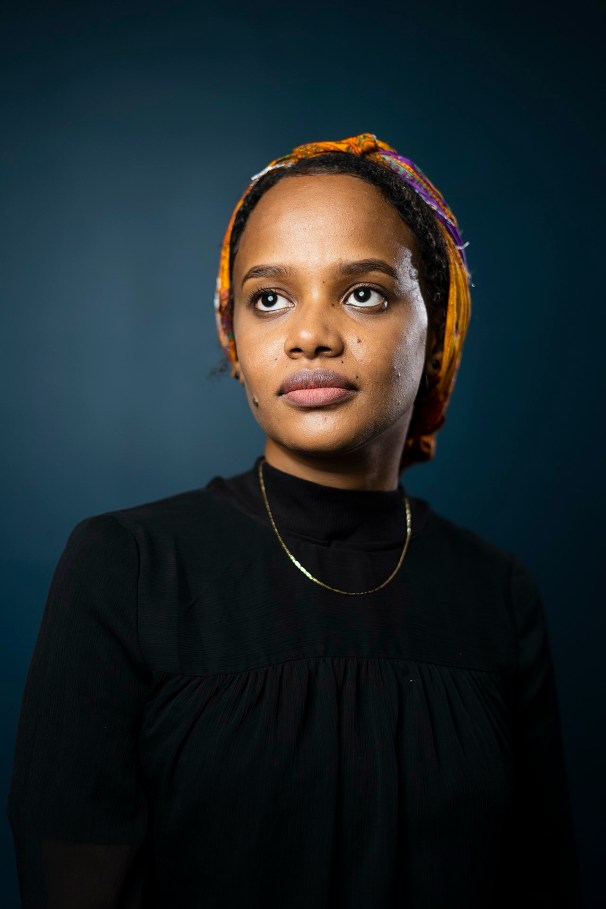
Above, right, portrait of Sudanese visual artist, Amna Elhassan by Kheir, 2020, CC, Wikipedia..
Sudan through Ala Kheir’s Lens; Ala Kheir, a Sudanese photographer’s story:
 Women's literacy in Sudan