

International Women’s Day 2025
A Tribute to the Women’s Arabic Literacy Programme, Khartoum, now suspended
Women’s Education Partnership
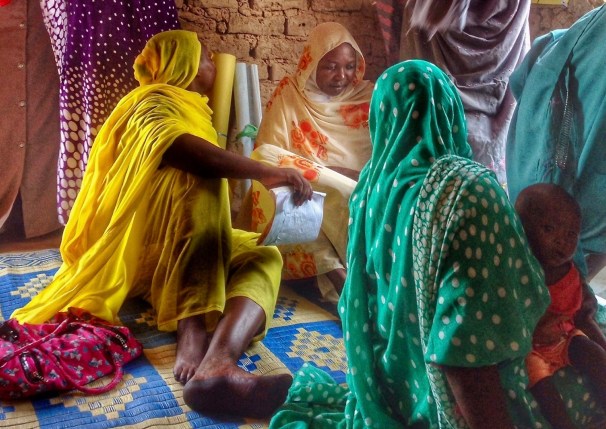

As the brutal conflict in Sudan inflicts immeasurable suffering on millions of her civilians, this International Women’s Day, we remember the wealth of resources Sudanese women brought to their families and communities before the war, something they continue to bring, in even greater measure and in often tragic and desperate circumstances, now. What has been built in the past through education and cooperation can be built again. For this reason, today we pay tribute to all the participants and literacy workers who have contributed to the work of our literacy programme, now sadly suspended. We very much hope to be in a position to re-establish our work when peace returns to Sudan.


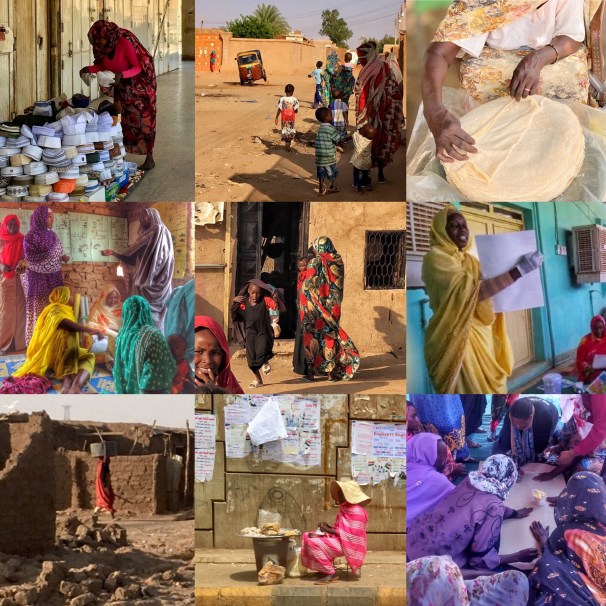
Above, scenes from a decade of women’s literacy in Khartoum.
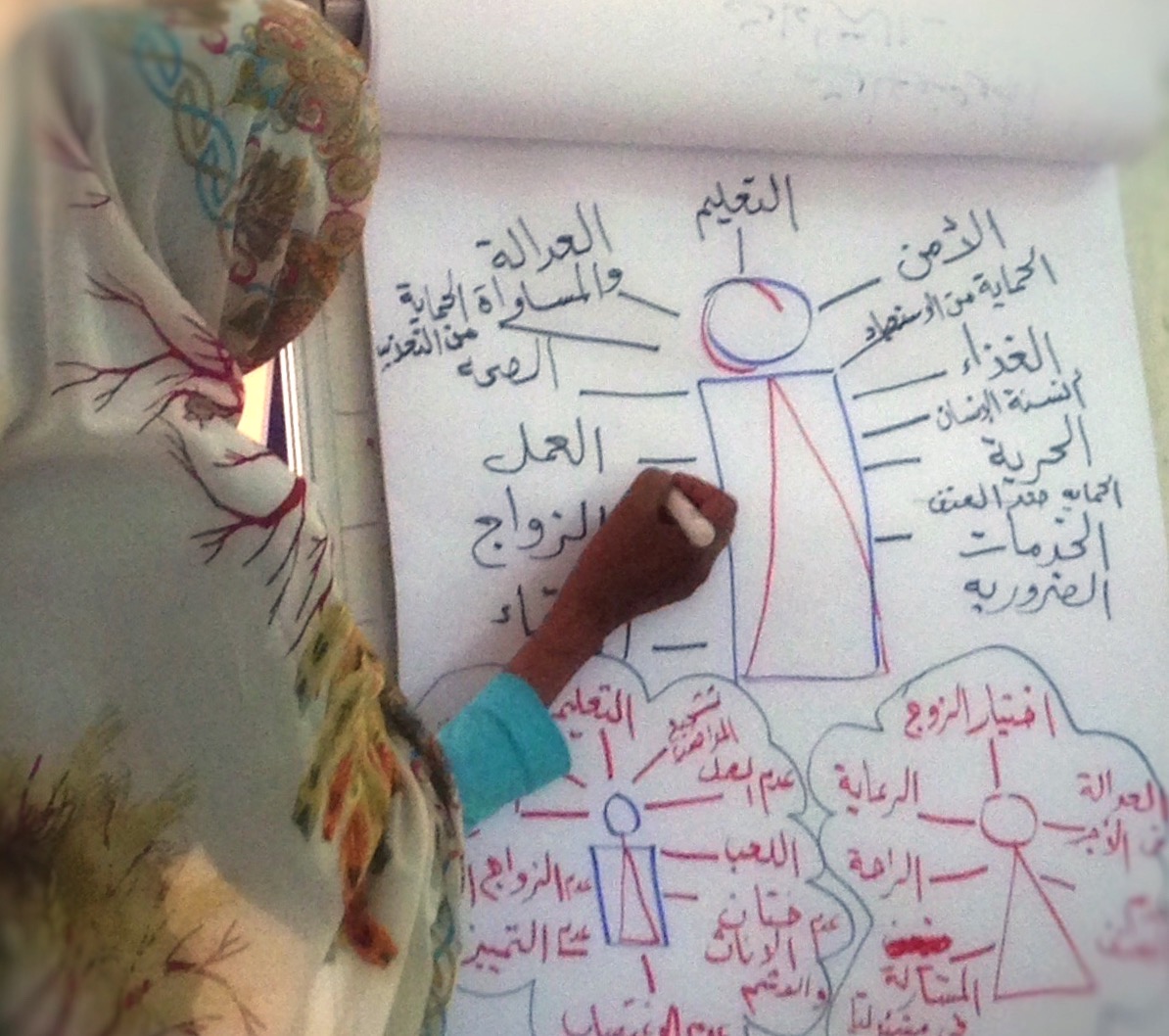
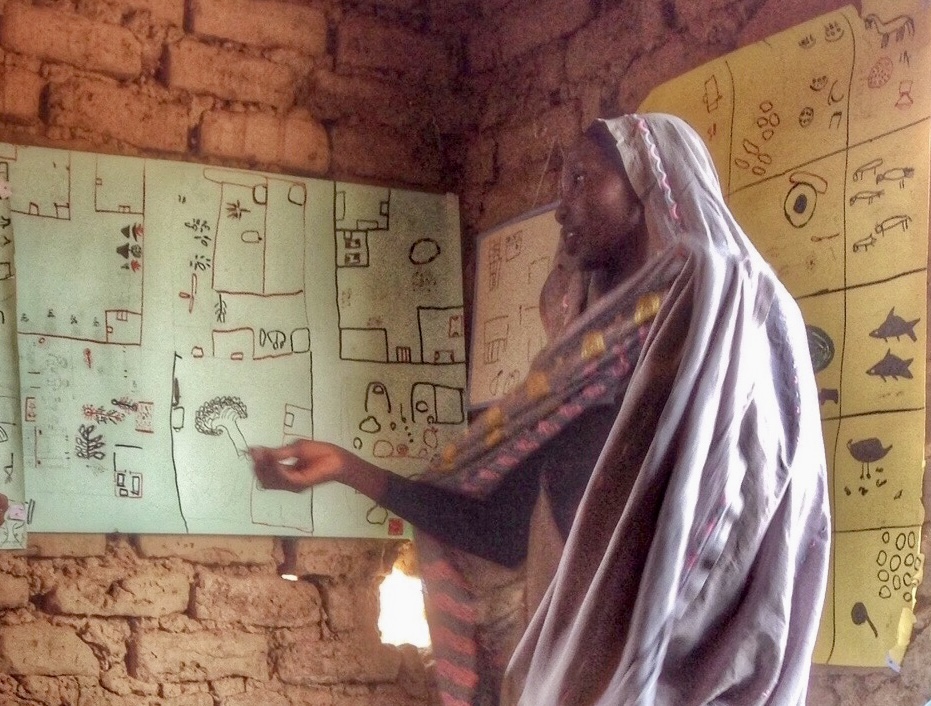
Above, Dr.Leila Bashir, expert in REFLECT literacy techniques empowering women and girls throughout the developing world. In the photo above, universal and women and children’s rights being outlined in a literacy workers’ training session in 2018.
Our Literacy Programme; Key Women’s Empowerment Goals
For more than a decade, our women literacy graduates have been giving back to their families and communities, using the skills they honed in their REFLECT literacy courses.
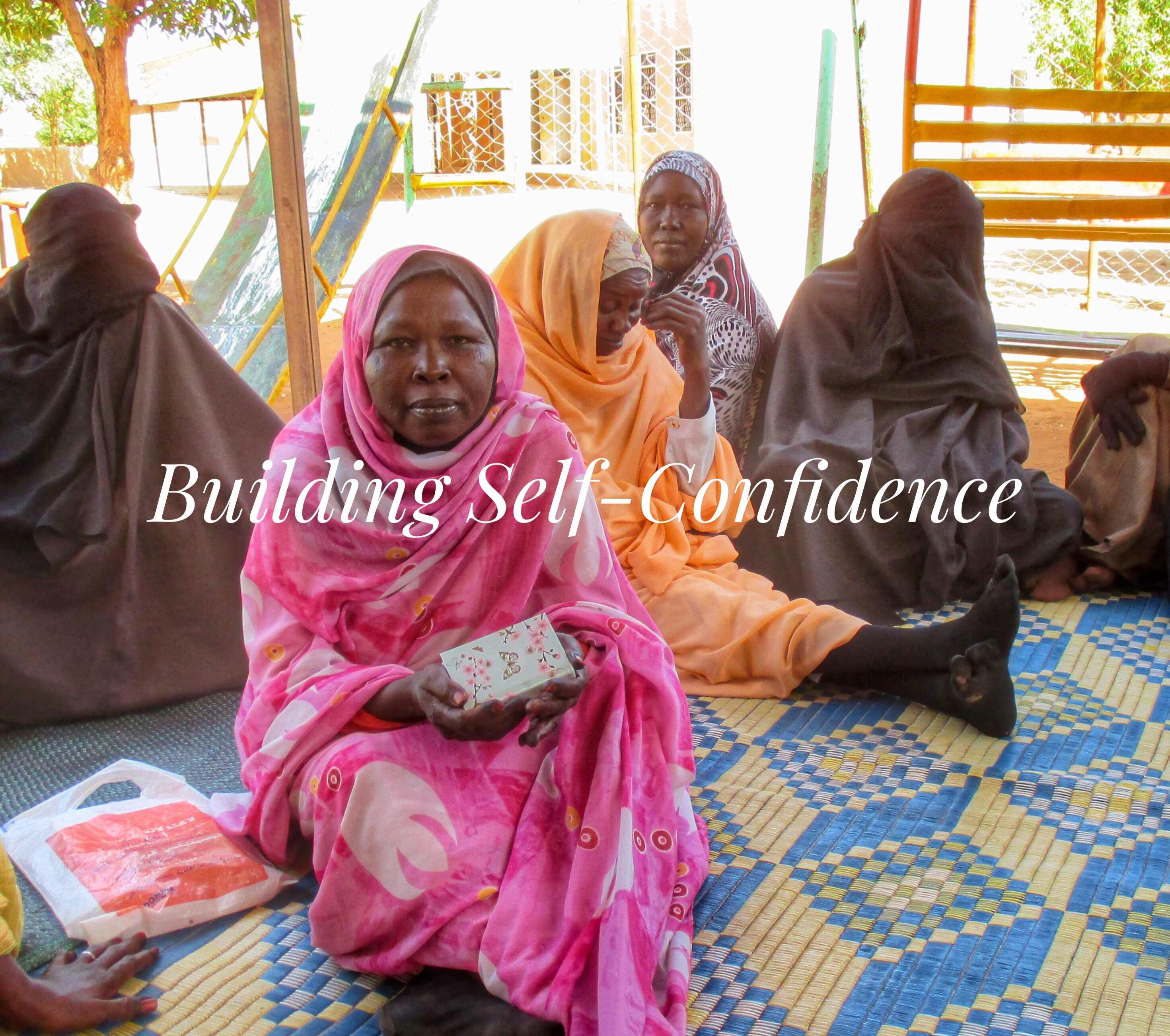
Women attending our literacy program found the confidence to explore their ideas, talk publicly about them and test their ideas in practice through community projects.
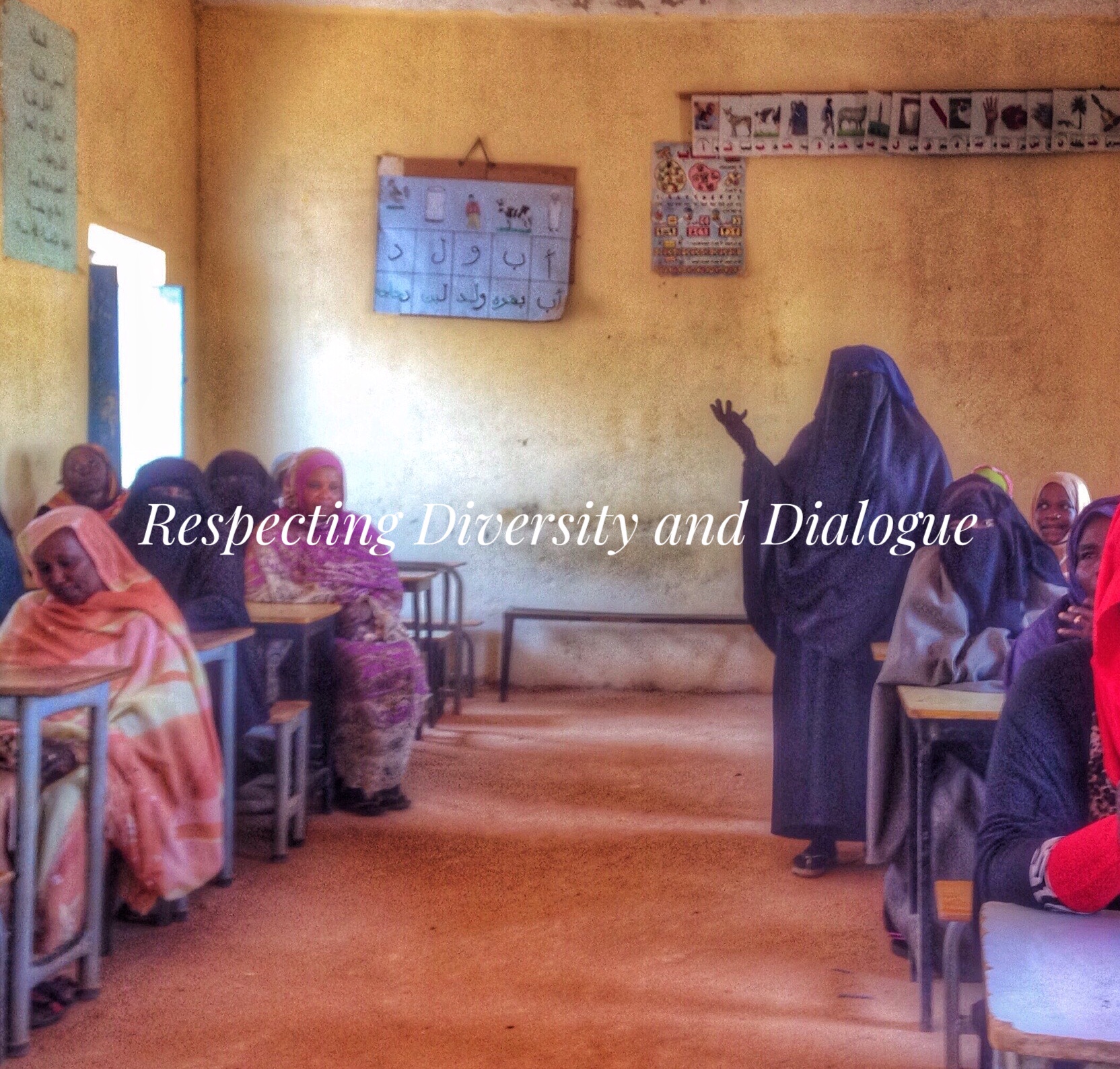
Our participants often suffered discrimination and abuse for their economic, educational or ethnic background. In literacy sessions, all opinions and life views were explored critically and always respectfully.
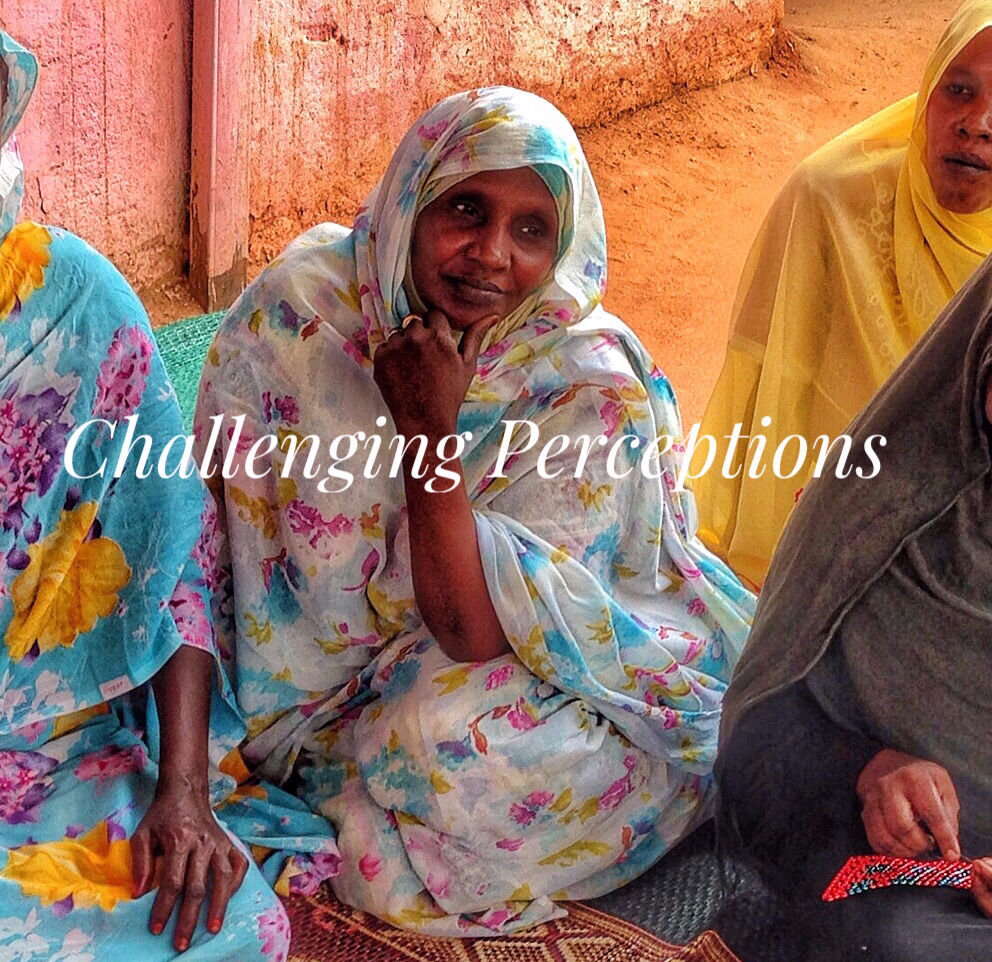
We encouraged participants to reconsider the impact of customs and traditions such as early marriage and FGM, and to explore the impact of roles traditionally understood as gender-based.
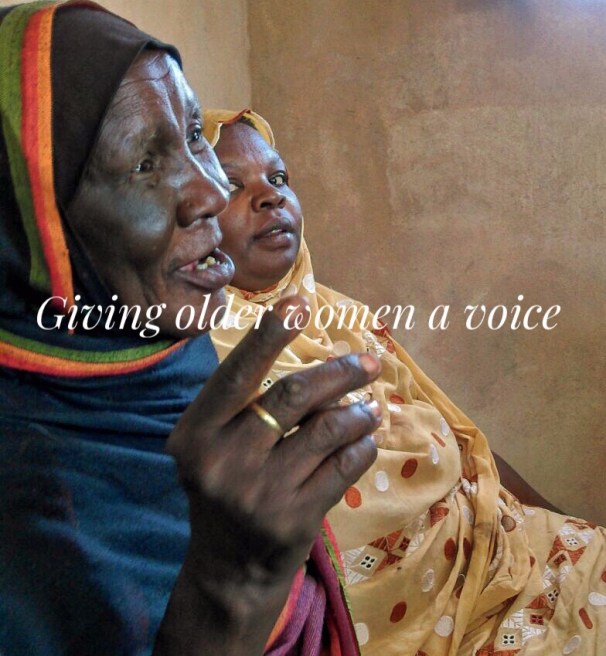
Older participants have a wealth of knowledge and life experience to share, forging intergenerational understanding. Illiteracy among women over sixty is estimated to be as high as 90%.
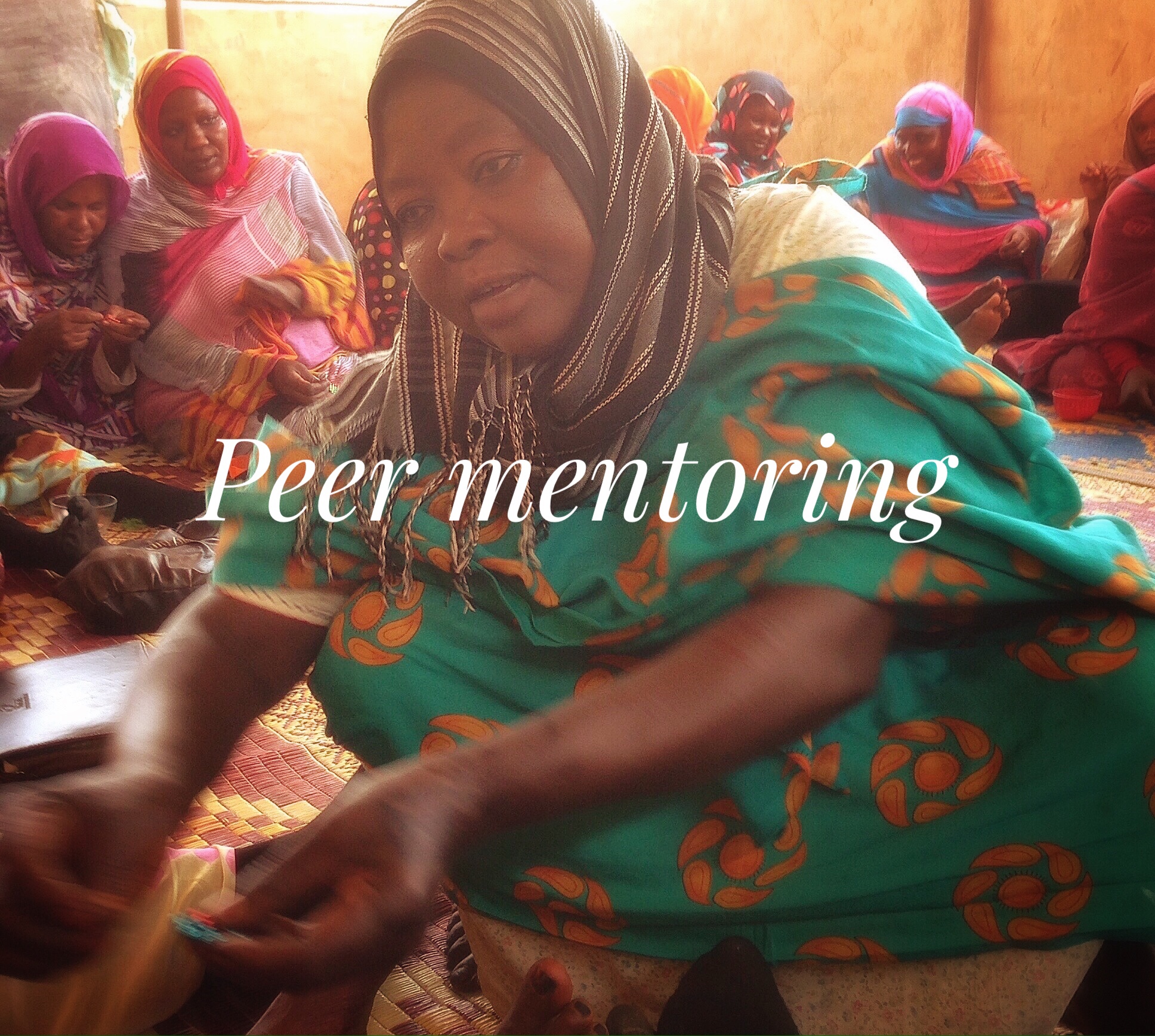
Participants’ newfound self-confidence allowed them to develop mentoring skills in areas they enjoy and are knowledgable in.
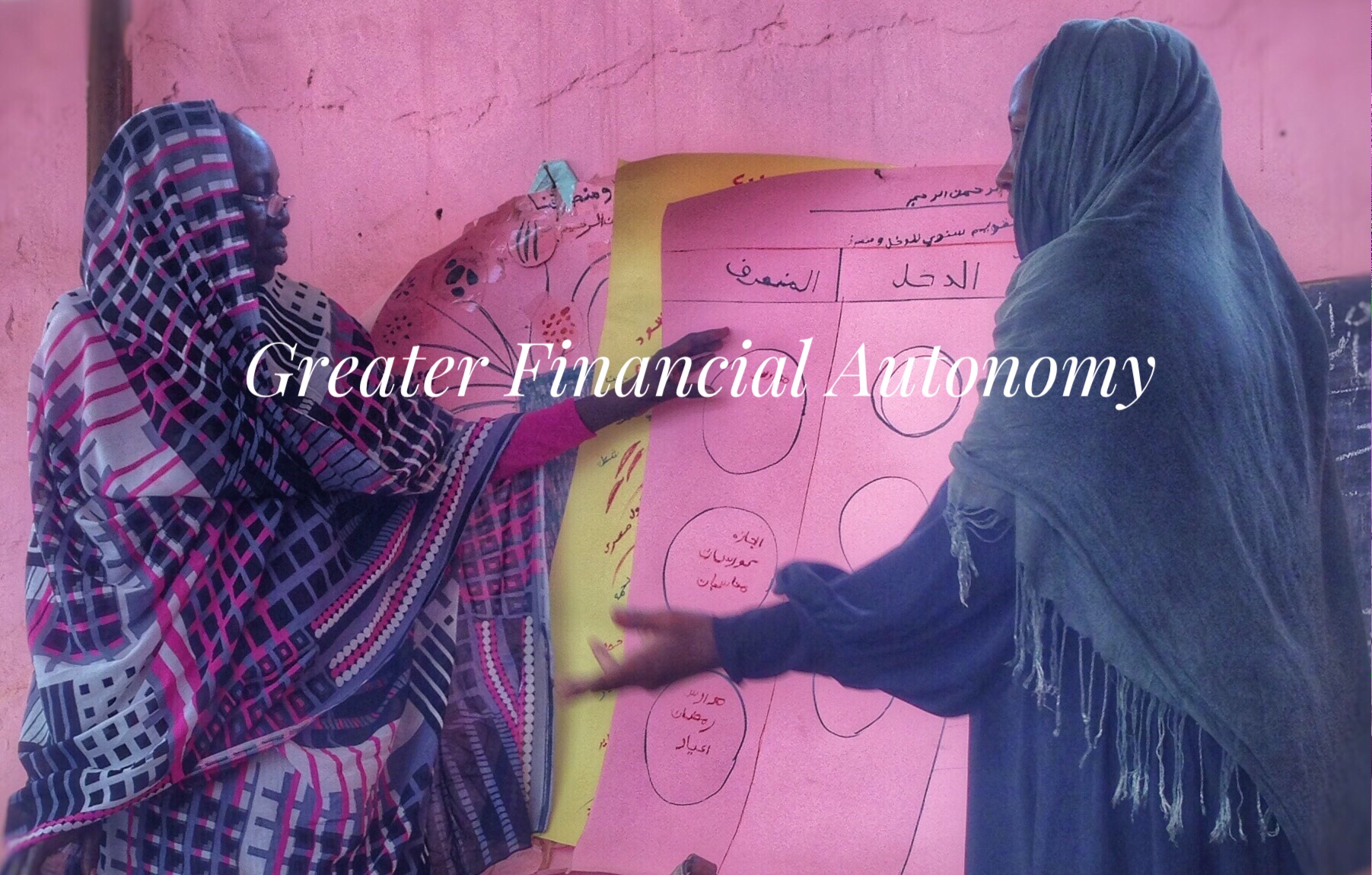
Participants learnt how to calculate income and expenditure as part of their numeracy training and several circles went to set up credit and savings funds.
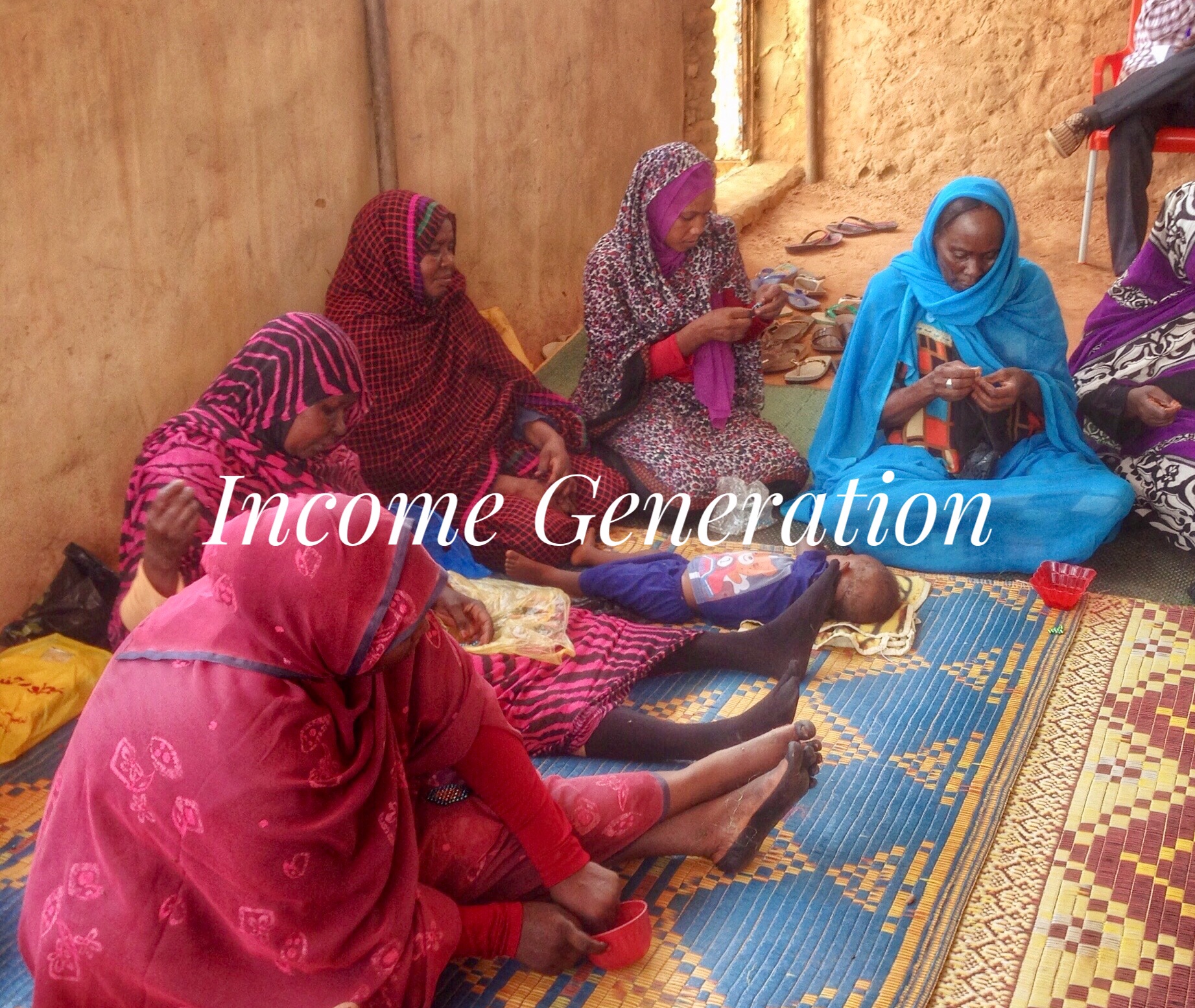
Handicrafts, food products and other sources of income were a central part of our literacy programme.
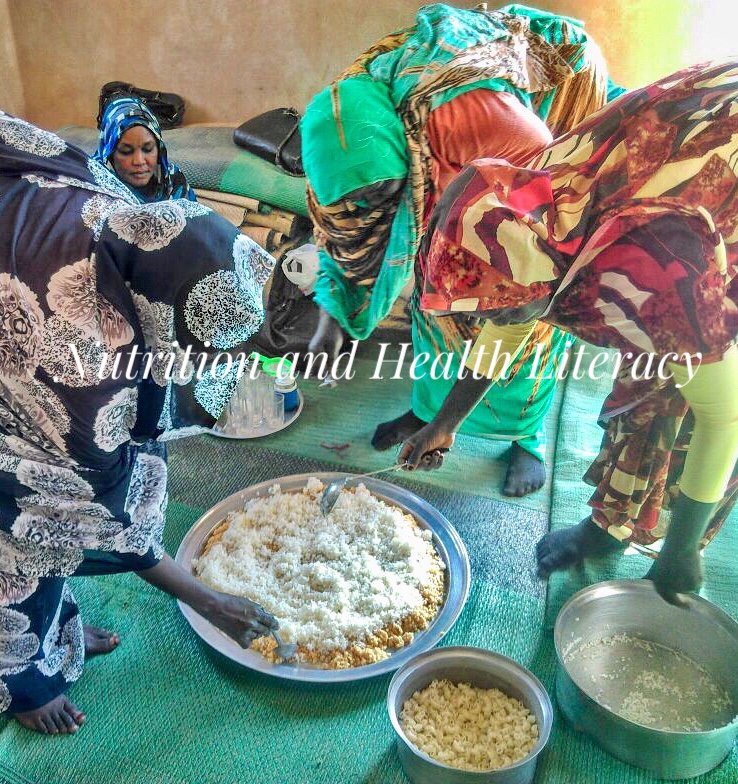
Nutrition and health literacy were central to our programme and special focus was given to disease awareness and prevention, hygiene and undertaking community health initiatives.
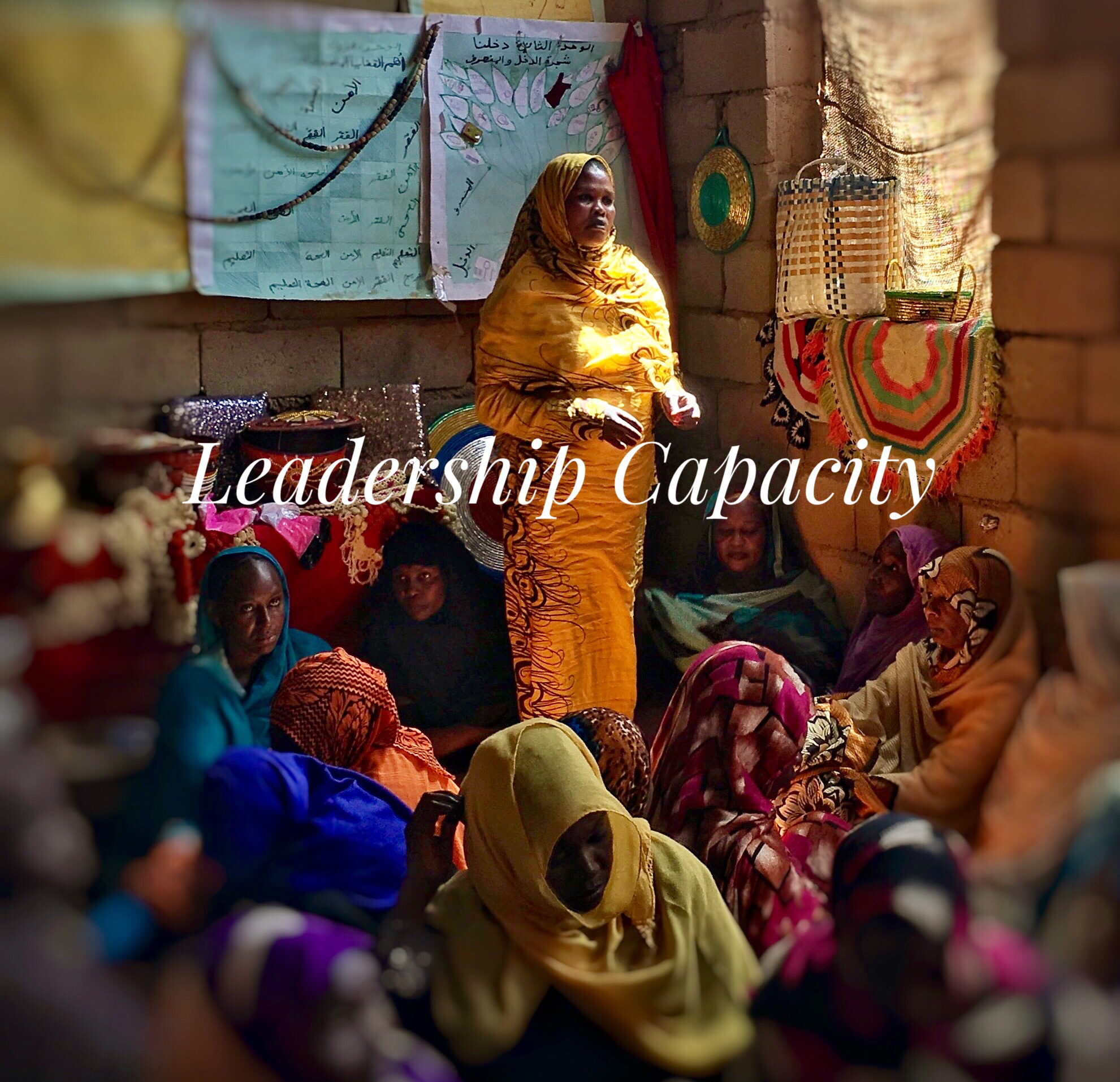
Our literacy workers worked to identify and encourage leadership capacity among their participants, so that when they graduated, literacy participants had the capacity to take on community leadership roles.
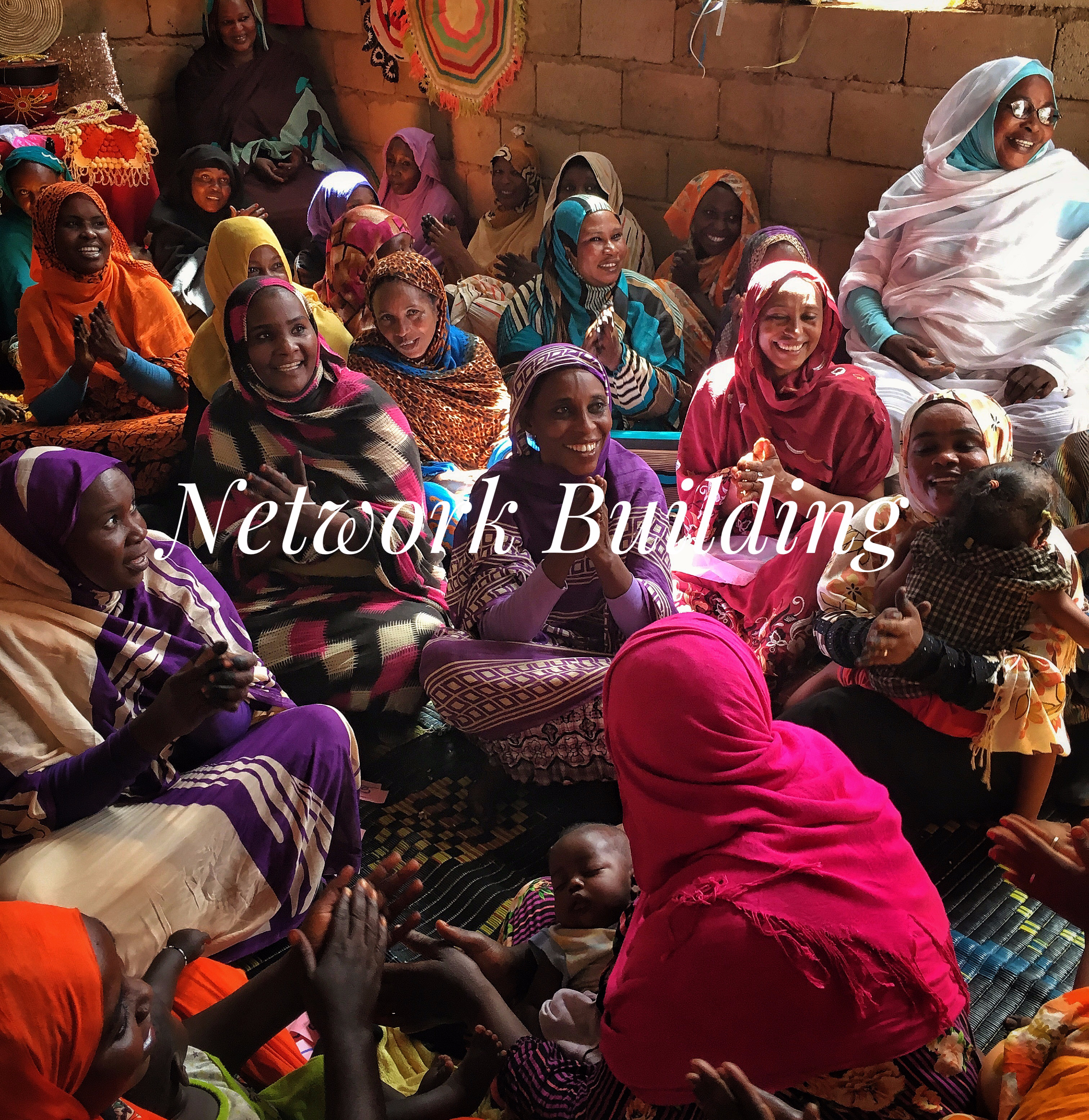
Our participants built networks that they took with them into the community when they graduated.
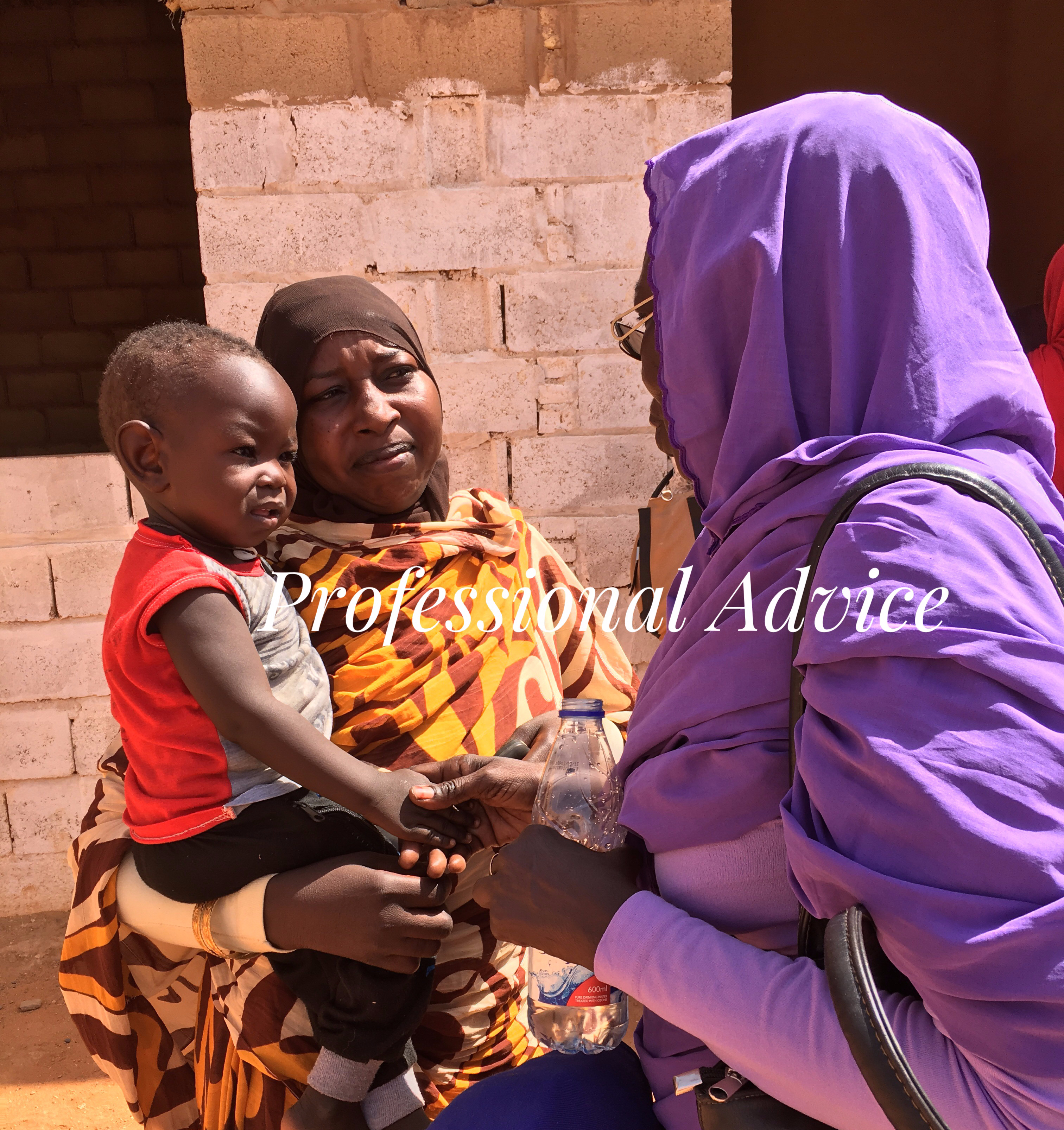
We provided specialist legal, health and psychological support to all our participants whenever the need arose. We also organized visits by guest lecturers to our circles.
Below, Our Women’s Literacy Course Participants and Aspects of their Daily Lives 2013-2022


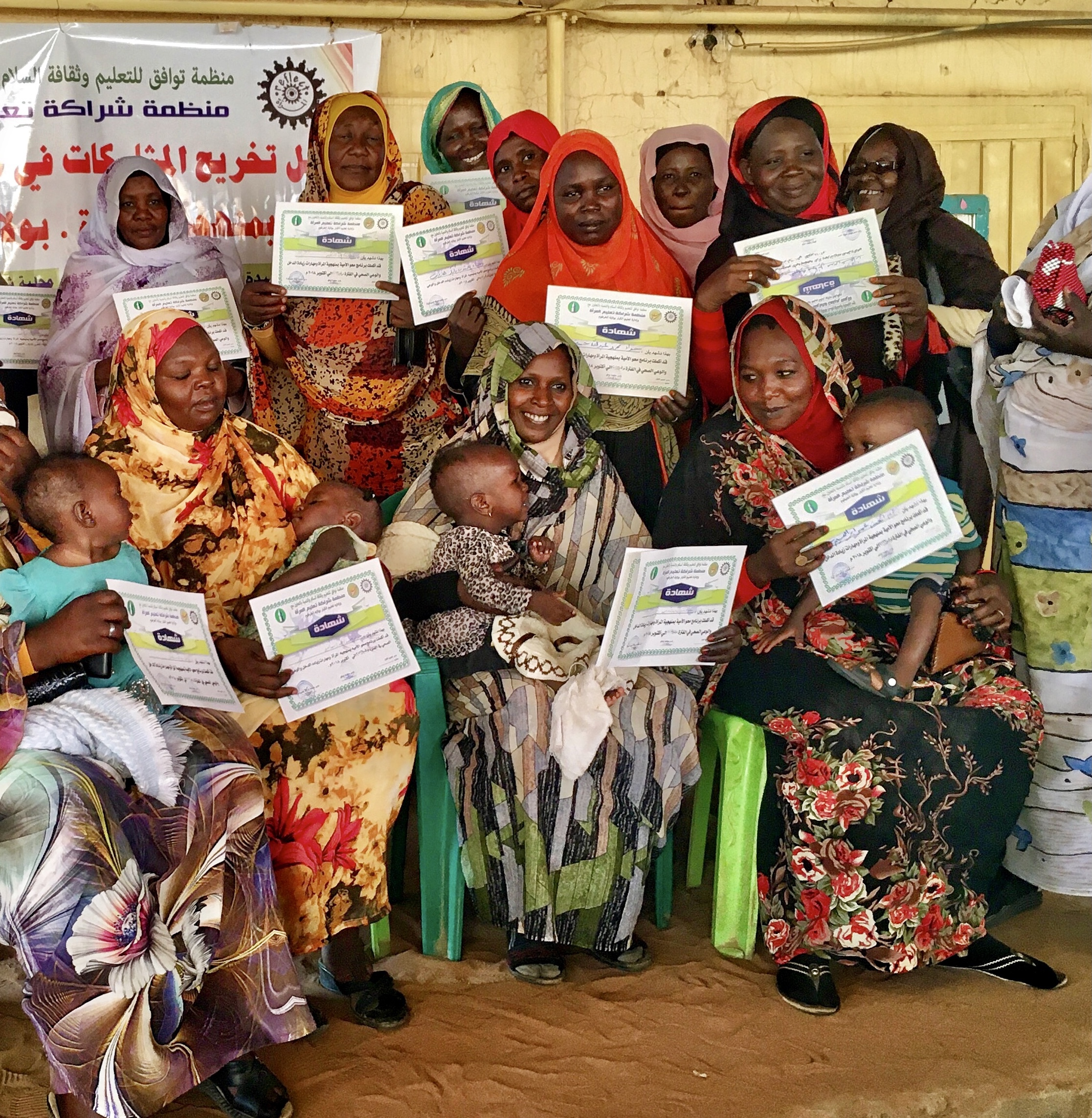
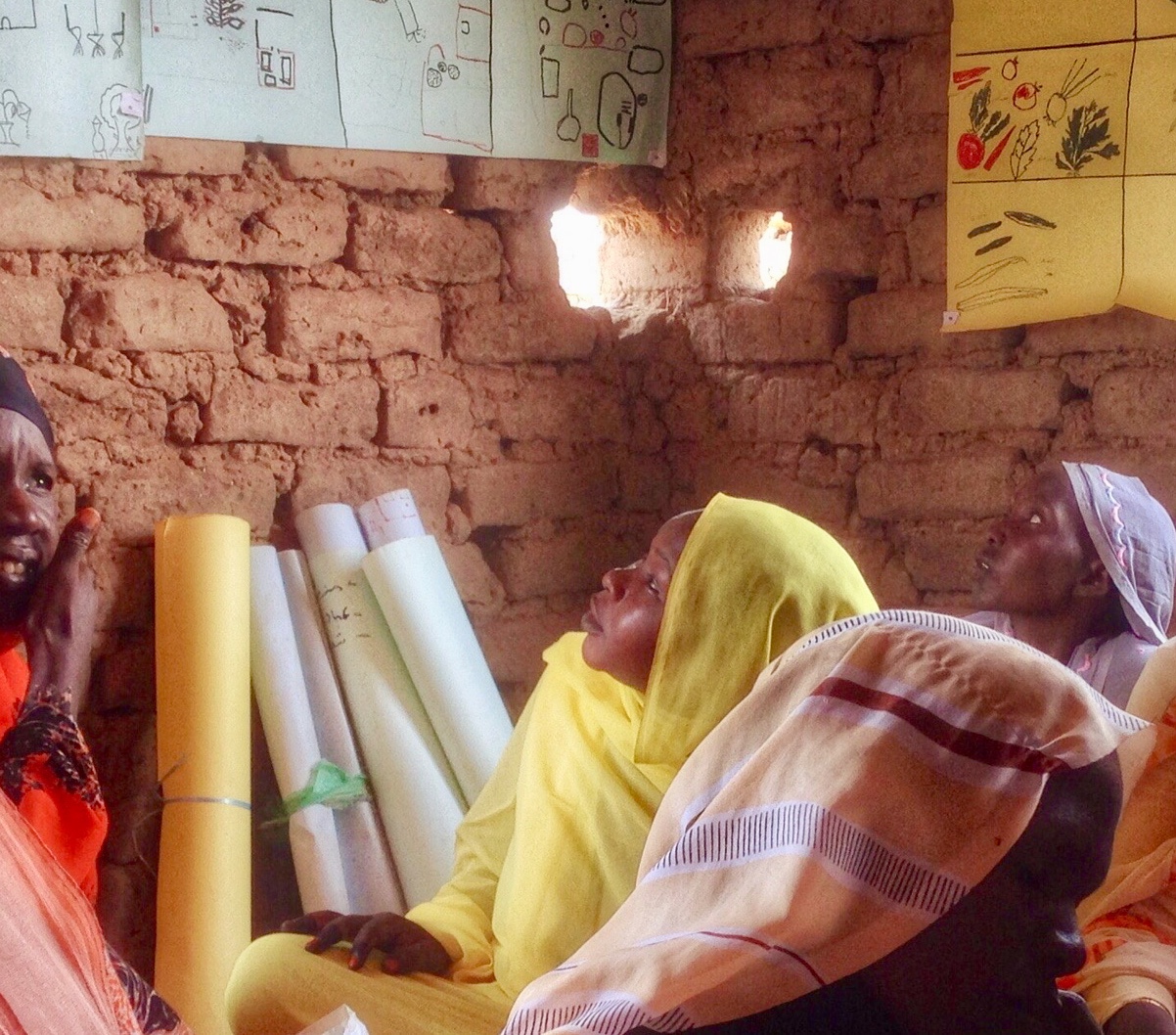

 Women's literacy in Sudan