

Queens, Cups and Palaces
This week’s post explores the context to three emblematic chants of the Sudanese Revolution 2018-19. The chants embedded and translated below bear the poetic force of a generation yearning for democratic reform within a framework of Islamic values reclaimed. See more background to the slogans and watchwords of the revolution in Freedom, Peace and Justice. Sung, chanted and yelled, these poems and anthems married standard Arabic with Sudanese colloquial and slang to infectious rhythms. They embody many of the key principles and sentiments of the uprising.
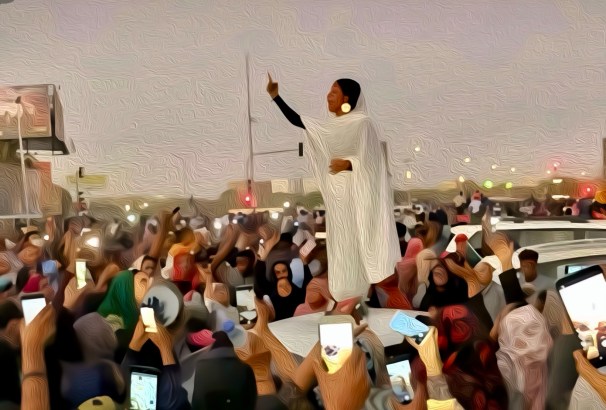
Above, sketch based on the now iconic photograph by Lana H.Haroun of the 22-year old student Alaa Salah, standing atop a car, dressed in the traditional white toub of Sudanese public servants and educators, her gama boba earrings glinting in the sun as she leads crowds of demonstrators in anti-government chants on 8th April, 2019. Women participating in the revolution came to be known as Kandaka, a Meroitic / Kushite term for the ancient queens or queen mothers of Sudan, (photo Wikipedia, fair use).
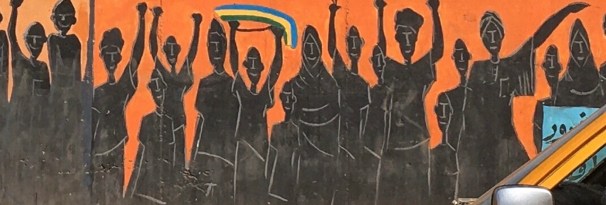
1 Queens of Defiance: My Grandmother, a Kandaka!
Below, working translation, summary and contextual notes.
They came with their nonsense. /
Revolution!
The opening stanza has been seen as a caustic and uncompromising rejection of concessions, half measures and conciliatory gestures by the Transitional Military Council and other governing bodies installed following the removal of Omar Al-Bashir. The chant goes on to reclaim what demonstrators see as the true essence of religion as opposed to its political weaponization by the Inqaz or National Salvation regime and other Islamist movements over many decades. At the end of each chant, the crowds respond with “thawra, Revolution!”. The tone is sharp, knowing and streetwise:
/ They came with their nonsense (or trivialities). /
/ Robbed us in the name of religion / Killed us in the name of religion / Imprisoned us in the name of religion / But religion is innocent of all blame, dear Mother / Innocent of all blame / Innocent of all blame /
The chant goes on to vindicate the demonstrators’ rejection of the status quo, invoking religious justification for the defence of equitable economic, social and political representation. Amidst bread shortages, rising poverty and rampant inflation, patience is no longer an option. It references the Kooz / Keezaan, (see below) – often the butt of revolutionary ire, accusing them of lining their own pockets at the expense of the people. The highly derogatory expression, sajam, literally “soot or ashes” is used to describe them:
(Our faith) Religion says he who gives up what is his right, dies. / The good-for-nothing Kooz scoops up (piles up for itself / rakes it in) from the goodness that is ours and takes delight /
The chant goes on to call for the crowds to take pride in the heroes of Sudan’s ancient civilizations and to draw strength and courage from a glorious past. If the Sudanese remember this, the chant insists, there can be no basis for fear now. Although the historical references are to famous figures of northern Sudanese history, such as the Kandaka, these cultural symbols were reclaimed by many in the revolution as figureheads representing Sudanese of all ethnicities. The slogan “My Grandmother is a Kandaka” became massively popular, taken up in numerous chants and emblazoned on banners. It homages the intergenerational support for reform among women and their central role in the movement.* Most importantly perhaps, the chanter emphasizes, the time for silence has past; it is staying silent that kills. This claim would appear in numerous chants as in “It is silence, not the bullet, that kills.”
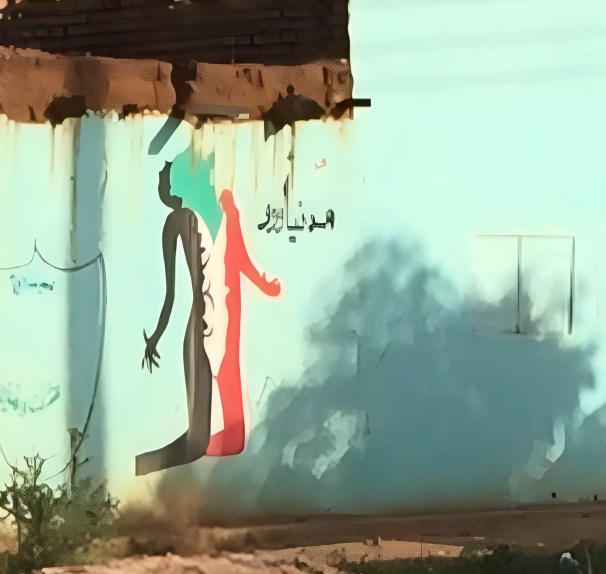
“Civilian rule” is the slogan scrawled next to this potent image.
/ Religion says he who sees an outright wrong / Doesn’t keep it silent, doesn’t stay quiet / or the wrong grows six-fold. (This line has been attributed to a song Sudan Rise Up by rapper Ayman Mao) / We are the waterwheels of the Nile / watering with our blood ablaze / we won’t, we won’t stay quiet / in face of the tyrant stooge / No basis now for fear / My grandfather was Taharqa / My grandmother, Kandaka!*/
Perhaps most poignantly, the chant now shifts to commemorating those who have died in the cause of this and earlier uprisings in Sudan. The public naming of the martyrs became an essential act of recognition and homage during the revolution and here the chanter promises the fallen still live while those who remain silent in the face of injustice are truly dead. The chant mentions, among others, Salah Sanhouri, whose death in 2013 sparked mass demonstrations, Hazim Mohammad Zein, Wafa Tayib and Majid Adil. For the revolutionaries, these young men and women laid down their lives in sacrifice to ideals that those living must continue to defend; the grief at their loss sublimated into and fueling the enduring struggle. The chant closes with a refusal to be bowed by the threat of prison; let the prisons search for inmates; the most honourable and courageous of men will oblige. Imprisonment becomes a badge of honour.
* In protests held in June and July 2012, marches would often begin following Friday prayers. Each Friday protest would be given a name and a theme and on Friday June 13, 2012 this was “Kandake Friday”. High profile women activists such as Khaldah Azza and others were singled out and arrested following the protest. They were detained by the National Intelligence Services, threatened with beating and forced to watch as young men who had also been rounded up, were tortured. (Source: Armed with October, ArabLit & ArabLit Quarterly)
2 Cups
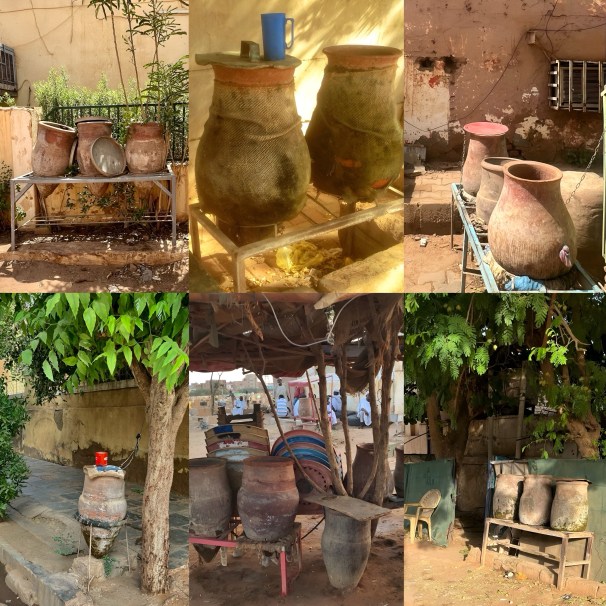
Above, Sudanese water jars or ziir on the streets of Khartoum and Omdurman, offering refreshment to the stranger.
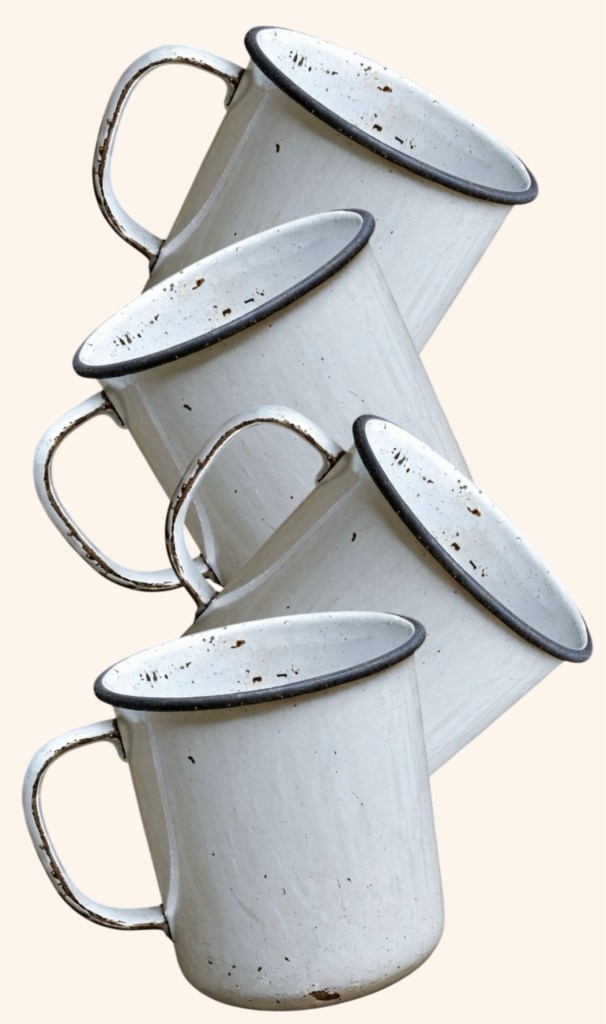
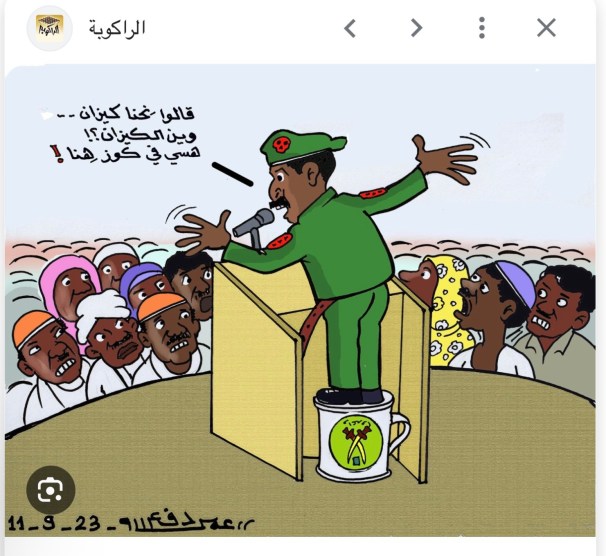
The Sudanese colloquial expression for members of the National Congress Party and the Sudanese Islamic Movement proved a fertile source of pro-revolutionary imagery and symbolism, as we have seen in the chant above. The term kooz, plural keezaan, in everyday Sudanese life refers to a tin drinking cup, often attached to public water pots or ziir (see Kindness to the Stranger: The Ziir) and “traditionally embodies shared values of hospitality and concepts of water as an unmarketable gift.” (A Glossary of the Third Sudanese Revolution) From 1989, the same source explains, the term came to be used metaphorically for Sudanese Islamists in power; the new use originating from a speech made by Hassan Al-Turabi in which he quoted earlier Muslim Brotherhood claims that Islam “is an ocean and we are the cups scooping from it”.
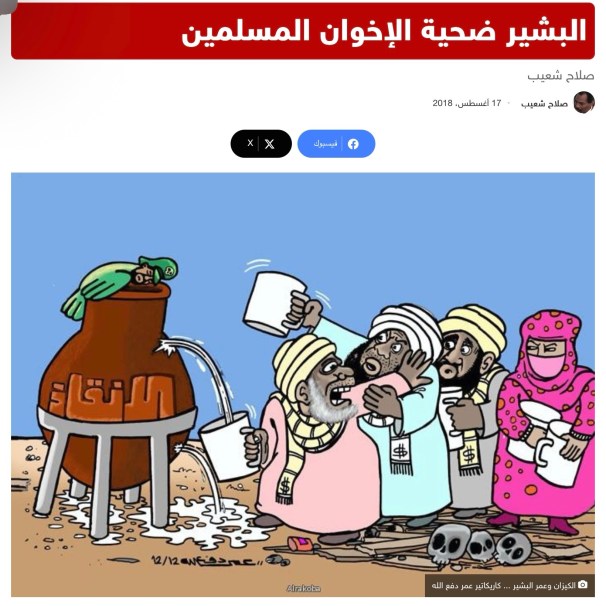
As Islamist rule wore on, the original associations with generous distribution or scooping out of wisdom and good things for the nation devolved into a pointed reference to self-serving politicians. During the revolution, numerous posters, including mock-ups of film posters, cartoons and street art installations – such as a boot stamping down upon a tin cup, played upon this theme. After the massacre of protesters gathered at the sit-in outside Military Command Headquarters on 3rd June, 2019, images appeared of tin cups filled with blood.
Top right, “We say we are the Keezaan. Where are they? Are there any here now?”; a cartoon appearing in Al-Rakoba. Left, cartoon entitled “Bashir, scapegoat of the Muslim Brotherhood.”
The chant below directly mocks the keezaan and as in the chant above, rejects any compromise with the regime. It also humorously references President Bashir’s second wife Widad Babekir, influential widow of a former defence minister and the subsequent ascendency of the wife of the new head of the military council, named here as Amaani.
/ They took away the Kooz that no one wanted / But they brought back a version even worse (literally, dirtier)! / Just go (fall), Just go (fall), Just go (fall) again! They took away the thieves only to bring back more ! / They took away Widad only to bring us Amaani. / The call for there to be a second “falling” echoes the famous chant below:
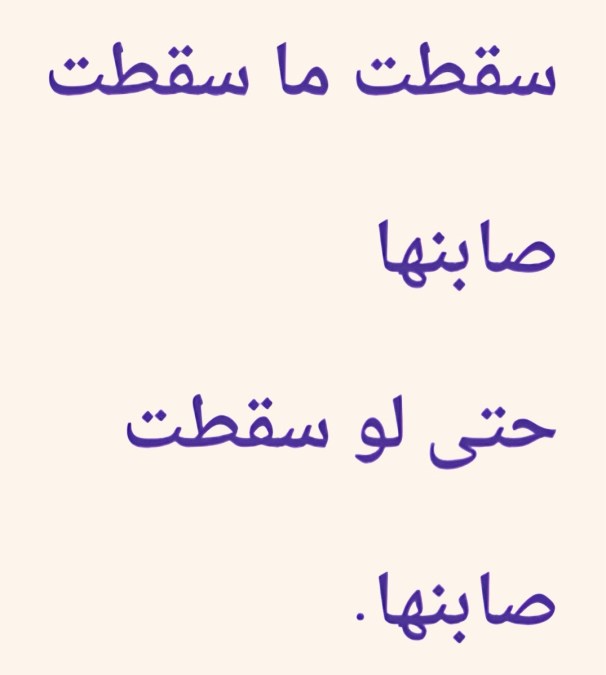
“SagaTat ma sagaTat Saabinhaa Hata law saqaTat Saabinhaa”
One of the most famous slogans of the revolution; summarized as “Whether they have gone or not, we’re staying put. The slogan uses the Sudanese colloquial expression for pouring in and setting of concrete to emphasize the movement’s determination to stay put until all its goals have been realized. The fall of some political figures does not mean there aren’t more aims to pursue at a time of political volatility.
3 Palaces
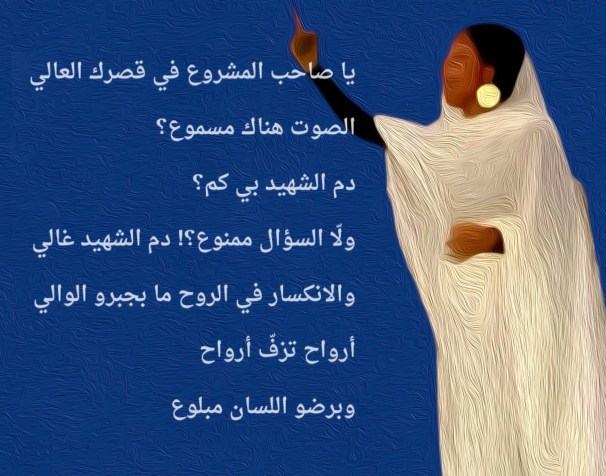
Above, the opening lines from a chant drawn from the poetry of Azhari Mohammad Ali.
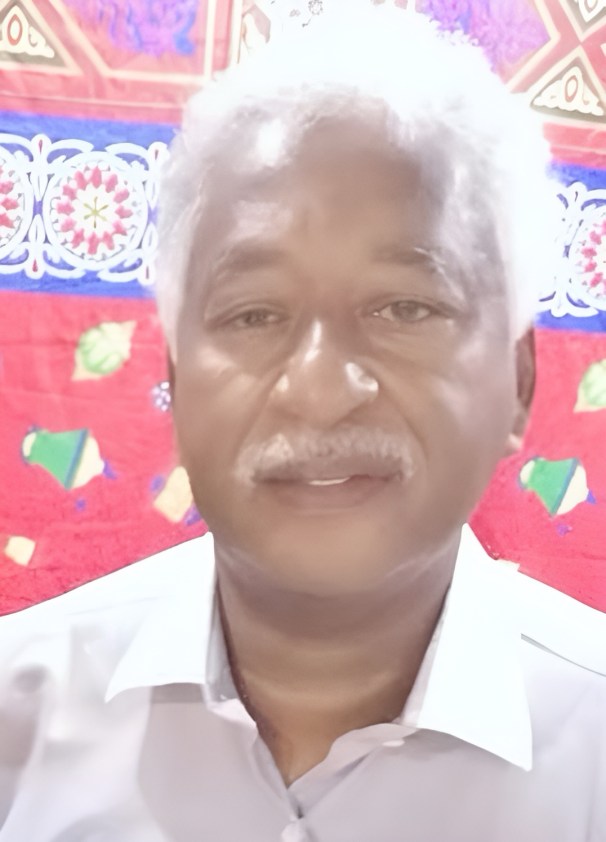
I close with the opening lines of a poem by Azhari Mohammad Ali, widely quoted by revolutionaries and believed to have been popularized following the death of demonstrators in Al-Gadarif. Born in 1954 and orphaned as a young child, he initially found work in a textile factory. His poetry was widely quoted in the 2013, 2018 and 2019 uprisings, sung and chanted by such iconic figures as Alaa Salah. In 2021, it was reported that the poet was beaten and verbally abused by the security forces. The poet refers here to The Civilization Project of former Islamist regimes; an attempt to both Arabize Sudanese culture and install Islamist interpretations of government, education and social life. The poem laments the lack of accountability for the death of young men and women, the senseless procession of deaths and the isolation of the ruling elites. Below, the poet, from Facebook, Hala96Fm.
/ O Master of the Project in your high palace / Is a voice permitted there? / A martyr’s blood goes for how much? / Or is that question forbidden? A martyr’s blood is precious and the governor cannot bind up the broken spirit / Souls escort souls / And yet the tongue is swallowed.
Watch a moving rendition of the complete work here:
 Women's literacy in Sudan