

The Mahfaza / Mahfada
The Traditional Sudanese Purse – A Brief Illustrated Tribute
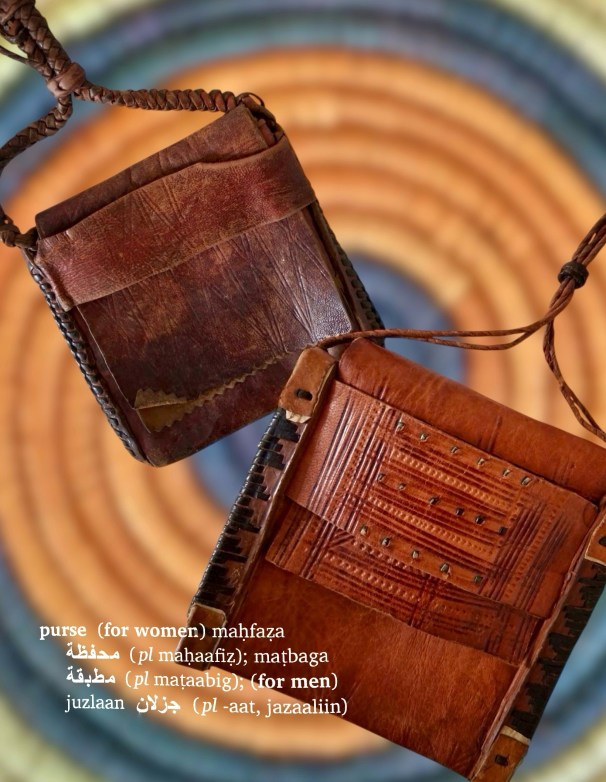
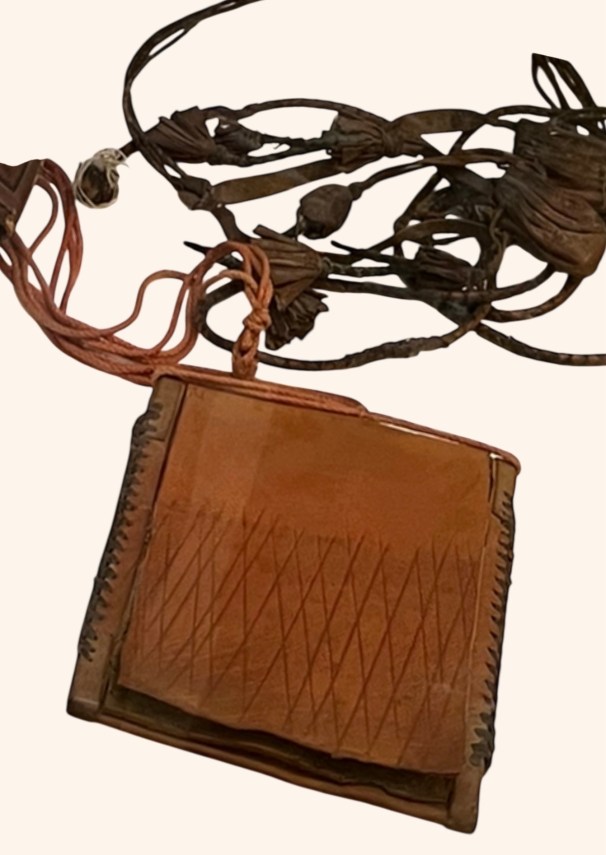
Above, the supple, finely tooled leather of much used mahfaza, also known in colloquial Sudanese as maHfaDa, محفضة. Facebook respondents have suggested that this type of traditional women’s purse or money pouch is also known as shukwa / shakwa in Nubian dialects, as tajbiriik in the Beja language, as Shonug in Mahas and is referred to as zaawiyya in Darfur, although the latter term is used differently below. The definition above comes from Rianne Tamis & Janet Persson’s Sudanese Arabic, A Concise Dictionary. The photograph of these mahfaza was kindly provided by Cate Evans-Paulmier.
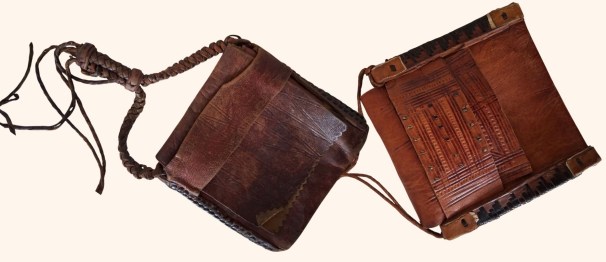
From Grandmothers to The Revolution; a Cultural Icon
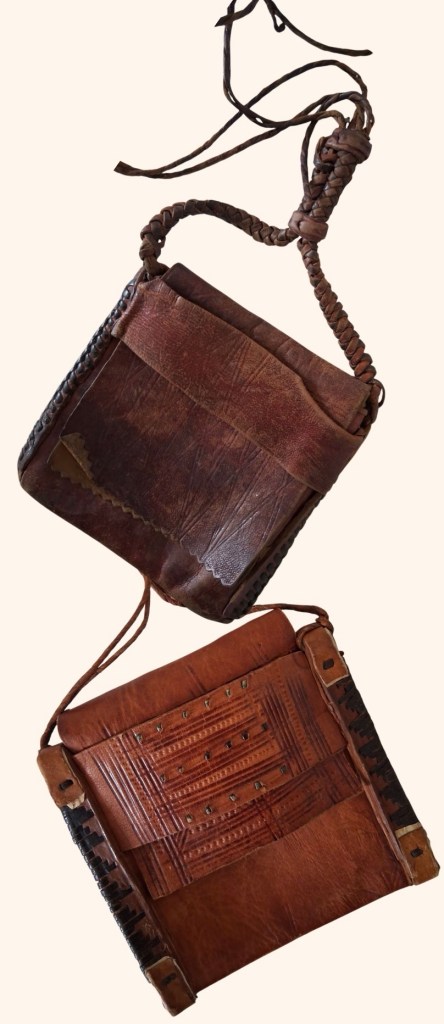
Forty years ago, sitting huddled on low stools round the charcoal braziers of the tea and coffee sellers of Khartoum, it was a common sight to see the corners of well worn mahfazas emerging under the long skirts and robes of the older women gathered there. Affectionately associated with Sudanese grandmothers everywhere, the mahfaza evokes childhood memories of grandma retrieving her purse from under her clothes to take out a coin as a precious reward or treat for her grandchildren. It could, of course, also recall the smart of a mahfaza strap, still warm from grandma’s body, on a child’s skin – a stinging reprimand for some long forgotten misdemeanor. Now rarely worn, the mahfaza still exercises a nostalgic pull on today’s generation, where its cultural resonances have been re-interpreted by influencers, activists and artists. Its return has even been advocated as a solution to a recent surge in bag snatching, known humorously as “pulling a long 9”.
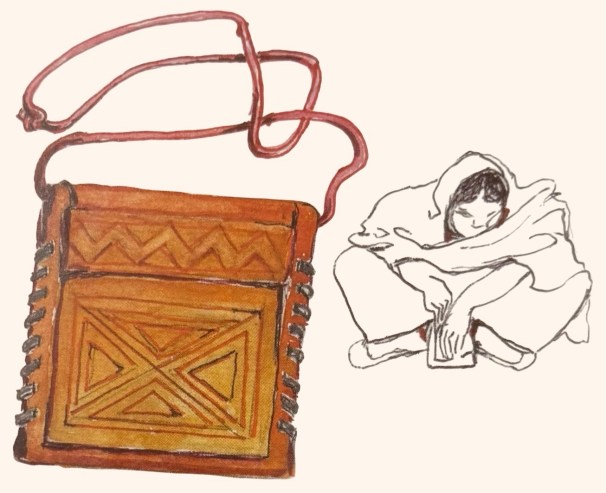
The money pouch or purse originally reserved for women contains at least two pockets within its folds, one for coins, the other for large denomination notes. A leather flap, an extension of the back panel, folds over the mouth of the pouch and is secured under a leather band. The purse is suspended by elegant plaited cords of leather as above or thick cords of red gittan (see below), often imported from Egypt. When these wore through, they would be replaced by sturdy twine or the plastic cord used for weaving bambar stools. Costume expert Griselda El Tayib notes that women working in the market would own many such purses, varying in size from 2-8 inches, often attaching precious amulets and household keys to their straps.
The mahfaza was usually fashioned from locally tanned goat or sheep hide and often dyed a characteristic rich ochre red using powdered tafta or taifta; a mineral pigment dissolved or thinned in water and applied by hand after the initial tanning with garad or acacia pod had been completed. Omdurman market once sold small bags of tafta by weight. It had the advantage of penetrating the surface of the leather and so did not peel or crack over time.
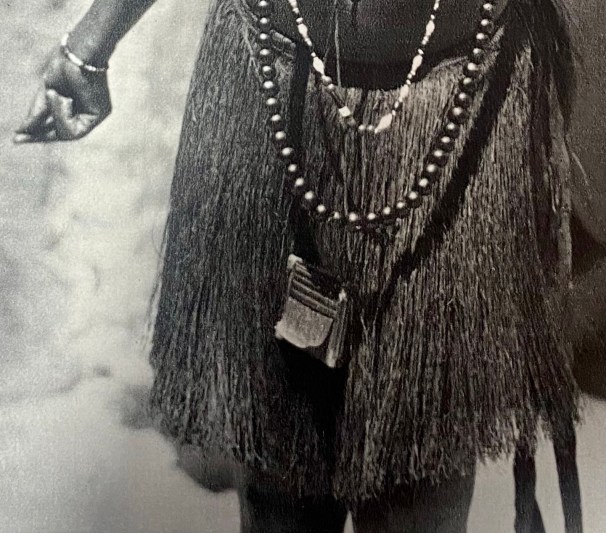
Sudanese sources explain that the mahfaza would evolve into the matbaga, a machine-made purse or men’s wallet of synthetic leather equipped with a zipper. The men’s wallet or juzlan, often made of snake skin was also sometimes known as a mahfaza. They also reference the zaawiyya, a small money pouch suspended from a ring attached to chains dangling from the kha(u)lala; a silver brooch and crescent ornament used by women of the Nubian Kunuz tribe to secure their white toub-like robe or shuffa upon their left shoulder. See a photo here.
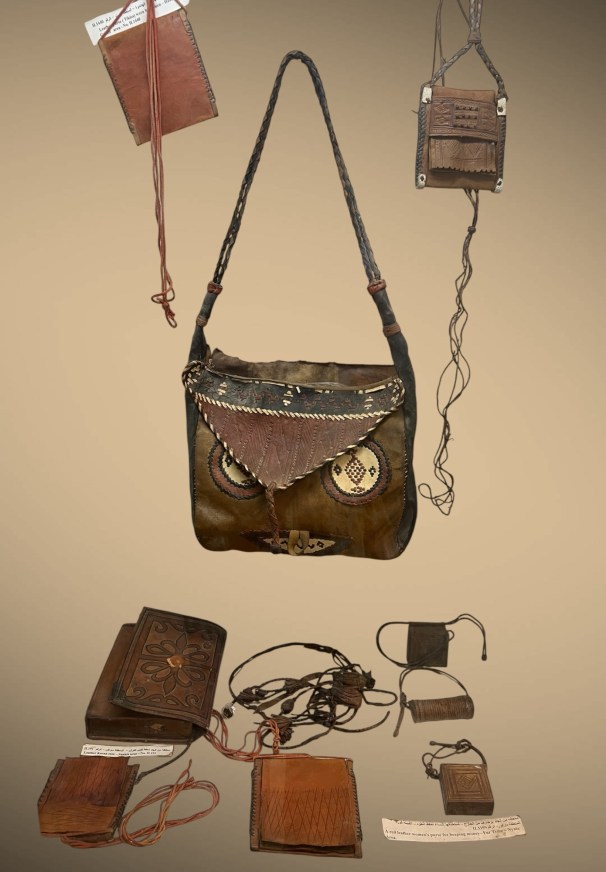
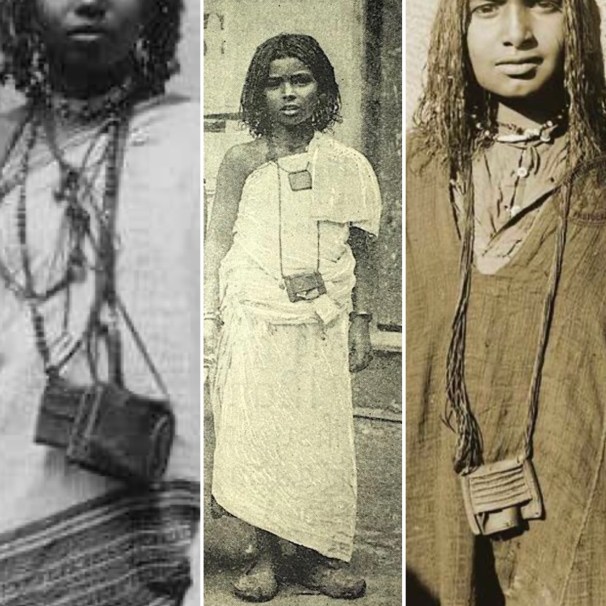
Above left, colonial-era photographs of young women and girls wearing the mahfaza (widely reproduced on Pinterest). Upper right, exhibits of Sudanese leatherwork at the Sudan Ethnographic Museum, pre-war. Right, a young women wears with pride her mahfaza over he rahat skirt.
Below, an illustration by Griselda El Tayib of a mahfaza with red gittan cord, from The Regional Folk Costumes of The Sudan.
Some Examples
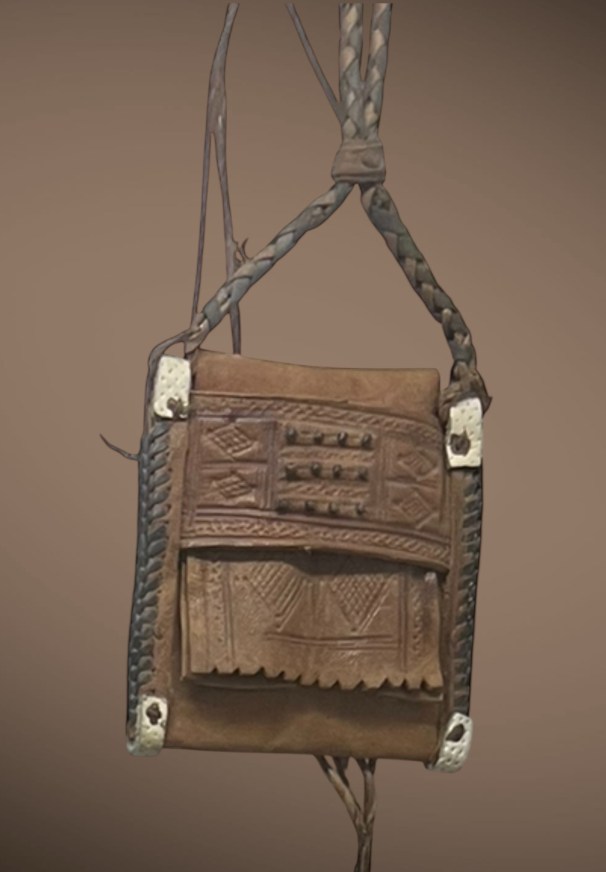
Below, fine examples from The Sudan Ethnographic Museum, pre-war, with once prevalent scored diamond motifs and decorative more costly, studs or kabsoon. The scoring was done with a heated knife and drew out the black tones of the garad dyes beneath. Learn more about Sudan’s leather working traditions, skills and technology in Safeguarding Sudan’s Living Heritage; Leather, through thick and thin.
See more artifacts from Sudan’s past in Ethnographic Museum Khartoum and Sudan’s Cultural Treasures Looted 1.
The mahfaza was designed to be worn concealed beneath the wearer’s dress, suspended from cords to hip level. It could be hauled up securely when needed but more typically easier to access when perched on a low stool or bamber or sitting on the edge of the traditional angareeb bed, as seen in this photograph of a dear Dongola friend of nearly 40 years ago.
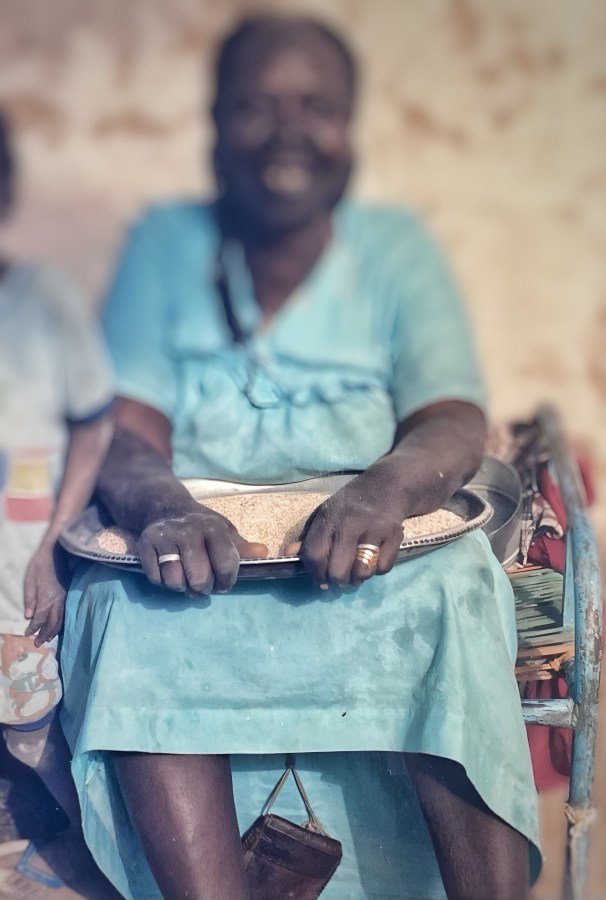
See more examples of Northern Province life in Scenes from Sudan’s Northern Province.
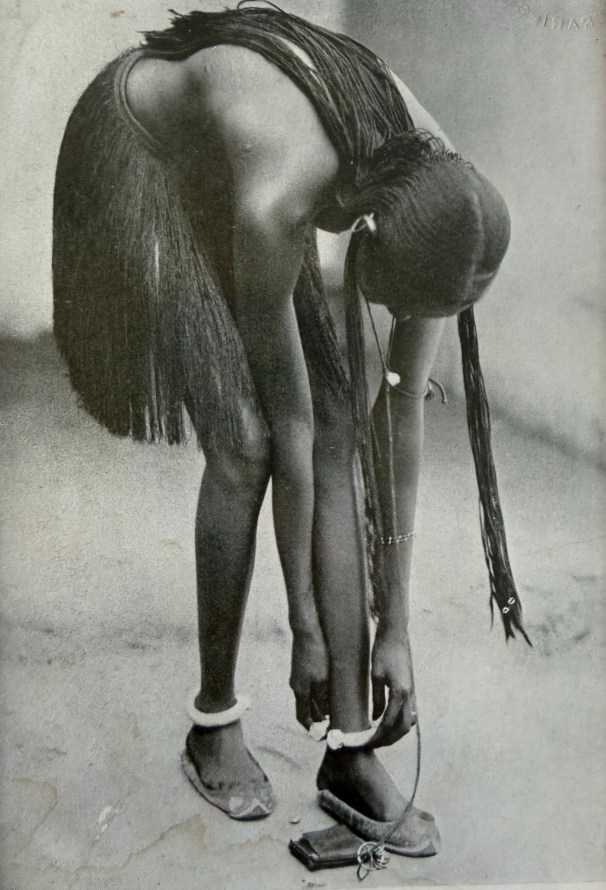
The mahfaza was also prized as a decorative as well as practical item, as seen in this exquisite colonial-era photograph (personal collection) of a young woman adjusting her heavy hijil anklets. Her mahfaza, a perfect complement to her rahat skirt, lies at her feet, its long leather cord clearly visible. Small rings or possible keys appear to be looped through the cord where it joins the purse.
The mahfaza was also worn, Sudanese sources note, with pride over their rahat skirt by brides in their wedding rites, when they would sometimes contain amulets or incense, protective substances such as black cumin or talismanic writings by holy men.
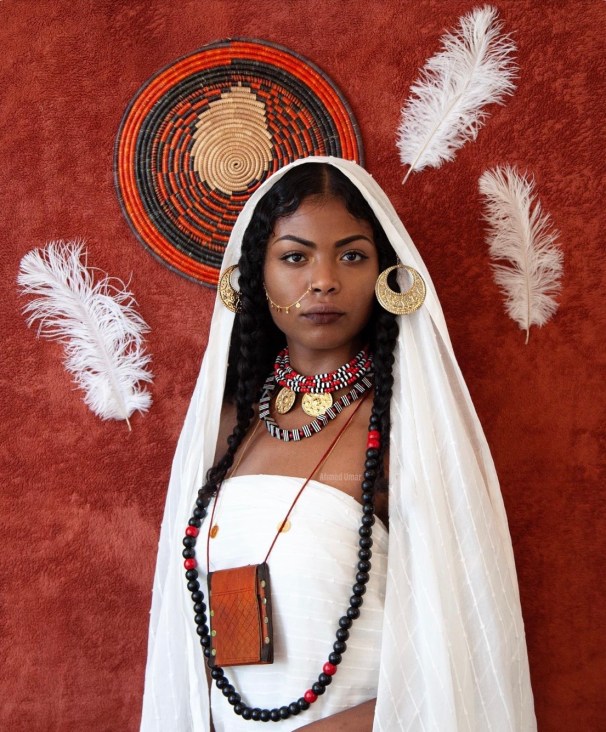
Recently, the mahfaza has been repurposed as powerful visual shorthand for the quiet but determined agency of women, particularly that of grandmothers and the generation of groundbreaking working women of the post-independence era. As well as an iconic symbol of kinder, more certain times, imbued with nostalgia, the mahfaza has been celebrated for its aesthetic and artisan appeal, as in this portrait by Sudanese artist Ahmed Umar of Marwa, a Brooklyn based Sudanese American community organizer and writer.
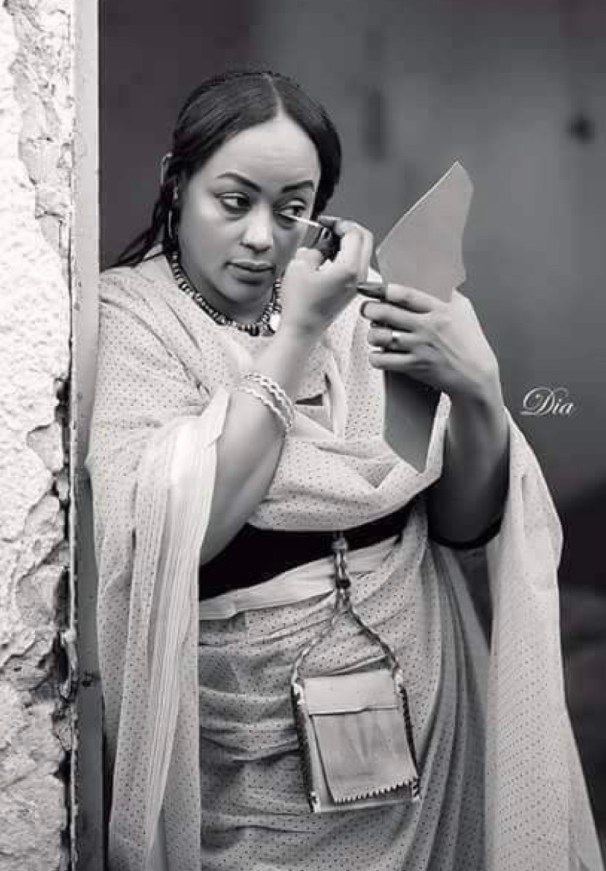
Below, the nostalgic appeal of the mahfaza; an image widely reproduced on socail media of a young woman applying kohl to her eyes. See more in “Who will trace the kohl for our eyes?”
 Women's literacy in Sudan