

Weaving Brighter Futures


Sudanese proverb – I work with my hand and will call no man my master.


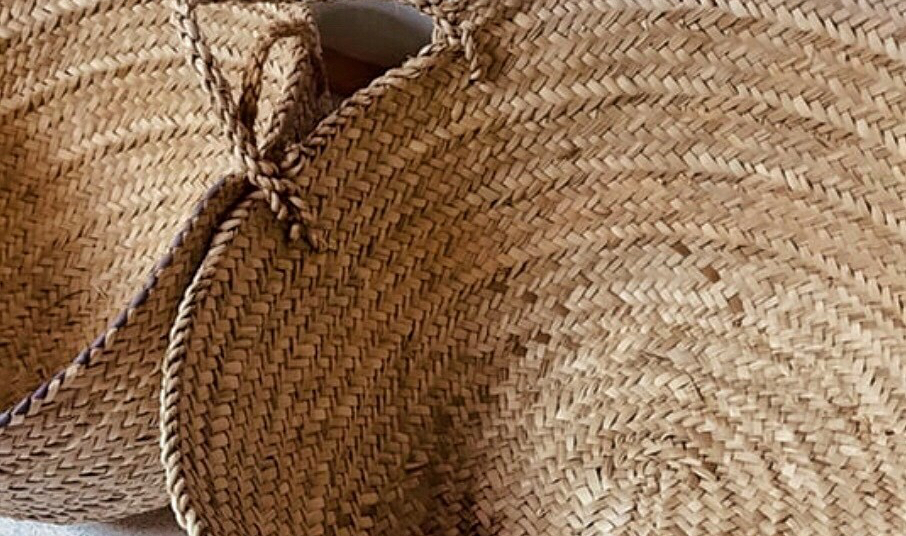
Weaving baskets, food covers as the one pictured above, ceremonial mats and wall or tent hangings has traditionally been the preserve of women and allows them to supplement their family income in flexible, sustainable ways. The striking food cover or tabag above was made by our literacy participants from palm fibre and recycled plastic. Left, traditional Sudanese shopping baskets or gufaaf (singular guffa), made from palm and doum tree fibres.
Right, a recipe for “mulah ahmar” or red stew, one of many variations on the theme of “mulah”, or stew. A staple in Sudanese cuisine, mulah is usually made from a base of lamb, onions, cardamon, peppercorns and salt and often eaten with wafer-thin, pancake bread, pictured above, known as kisra. (source – Sudanese Kitchen website). “Guffa al mulah” in conversational Sudanese refers to the shopping basket of staple everyday ingredients – see more below.
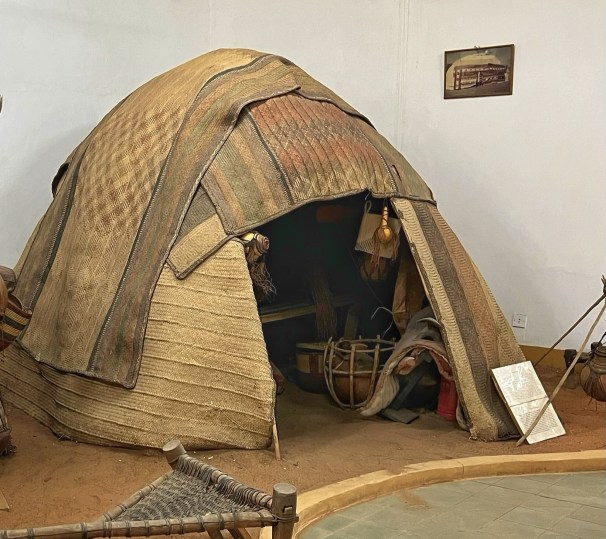
Above, Sudanese finely woven palm fibre matting used as nomadic tent covers, a diorama at the Sudan Ethnographic Museum, Khartoum. See more stunning examples of Sudanese palm fibre weaving and basketry in British Museum’s Grace Mary Crowfoot Collection.

Setting the Scene
“Guffa al Mulah” (The Shopping Basket)
Traditional Crafts for Income Generation
More Examples of Craftwork
Setting the Scene – Handicrafts; Scenes from Our Circles

Jabaroona literacy circle displaying some of their income-generating handicrafts.
This article is a tribute to over a decade’s work of our literacy circles in the reviving of traditional crafting skills for income generation. The article was first published in 2019.
All photos in this blogpost which include images of our literacy participants and staff are copyright Imogen Thurbon and may not be reproduced without written permission. You are welcome to reproduce photos of the handicrafts pictured in this blog.
This is a literacy post for Women’s Education Partnership

Learn more about our literacy work in Literacy Changes Lives and Windows
Below, more food covers, baskets, crotchet and beadwork made by women attending Jabaroona literacy circle. Recycled materials rework traditional cultural designs from Darfur, North Kordofan and other regions.

Learn more about the long history and techniques associated with woven artifacts in Dr. Asaad Abdul Rahman Awadullah’s illustrated study Palm Leaf Weaving in Northern Sudan.

Above women making wedding mats and funeral bed covers (source, as above). The mats and bed covers take anything from six to ten days from preparing the palm and doum fibres to dyeing and weaving the final products.
This is a literacy post for Women’s Education Partnership
Learn more about the development through literacy methodology we use in Community Literacy and REFLECT and Literacy Circles in Action. Below, handicrafts made by our literacy participants displayed at British Council / British Embassy literacy awareness events. Traditional food covers transformed into attractive handbags, together with cotton and woolen woven bags and baskets
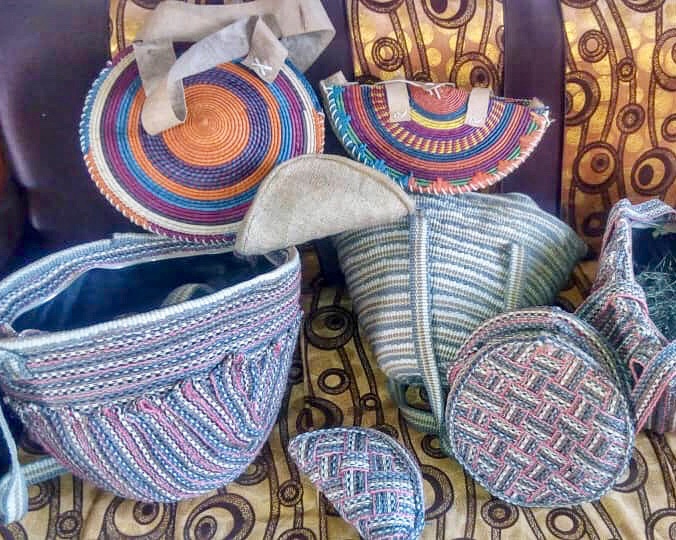
Below, baskets and table coverings on a literacy circle windowsill

Weaving Brighter Futures
“Guffa al Mullah” – The Shopping Basket – Traditional Crafts for Income Generation
Guffah al-Mulah – The Shopping Basket

Above, one of the baskets being woven during income-generating work in our literacy circles. Traditional baskets are made from palm or doum tree fibres – both plentiful and sustainable sources. Basket-making is both an art and a skill, often taught by grandmothers to their daughters and granddaughters.
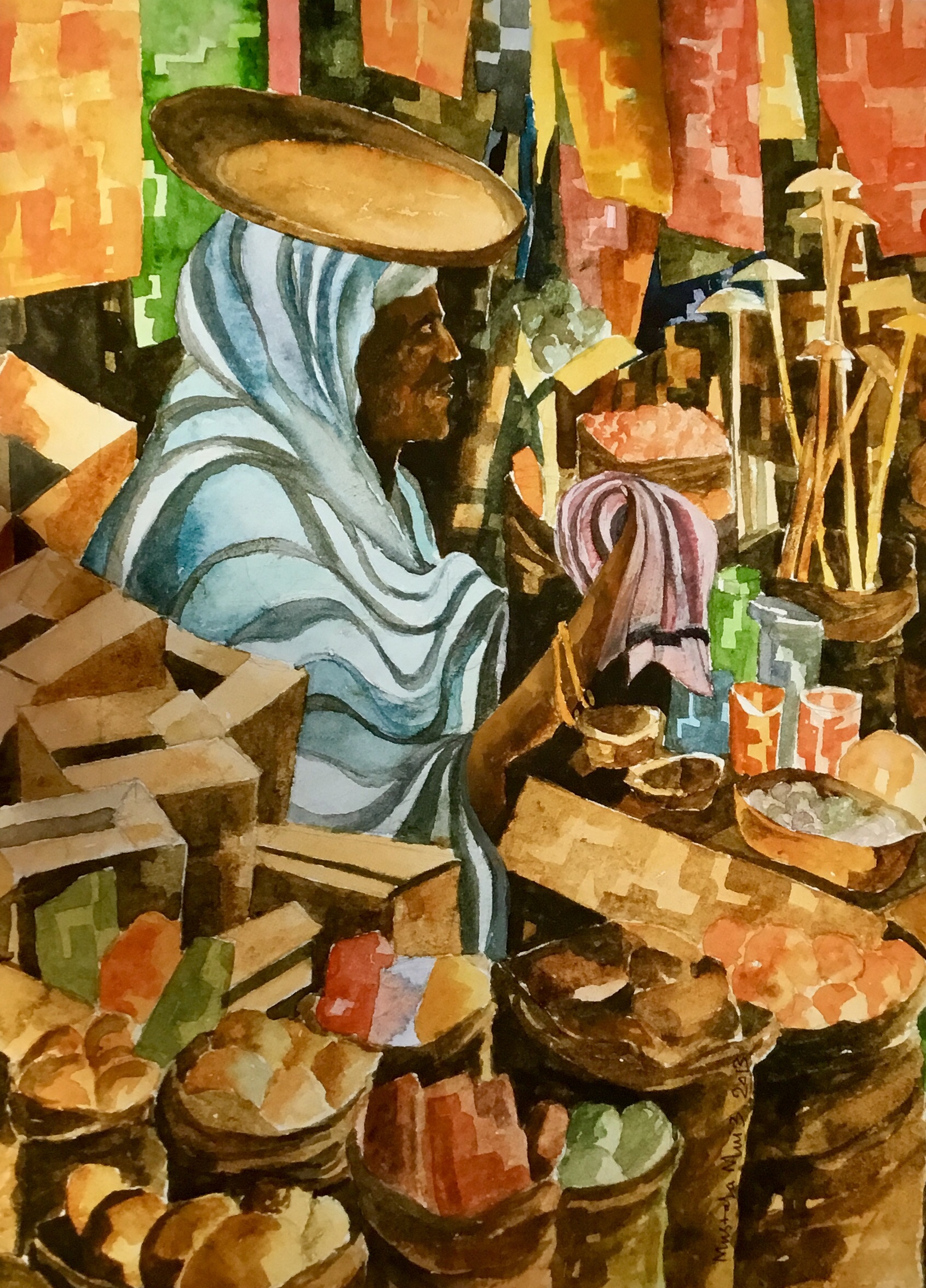
Soug al-Niswaan (The Women’s Market), 2013 by Mustafa Muiz, reproduced in Art in Contemporary Artists of The Sudan , Art in Times of Adversity-
“In the guffa, the housewife would carry meat, vegetables, sugar, salt, and spices, all encased in paper, and on top of this she would put her purchase of bread. She would carry the guffa in her hand and when it is heavy, she would put it on her head.” The term guffa al mullah is also used informally to refer to the retail price index and the cost of living in general.

In early January, 2018, Khartoum State banned the use of single use, lightweight plastic bags. Plastic bags routinely clog up water ditches, litter roads, cover trees and bushes and endanger livestock which ingest them. Many see the ban as an opportunity for what is overwhelmingly a women’s industry and a chance to experiment with new, lighter and more adaptable designs for consumers used to the convenience of plastic. Read more in The Niles article, Piles of Problems: Rubbish Contamination in Khartoum
Learn more about how our literacy project meshes with work to meet the environmental challenges facing Sudan in Heat and Dust
Read more in SudanNow: Plastic Bags Regulations Give Gufaf Makers a Boost
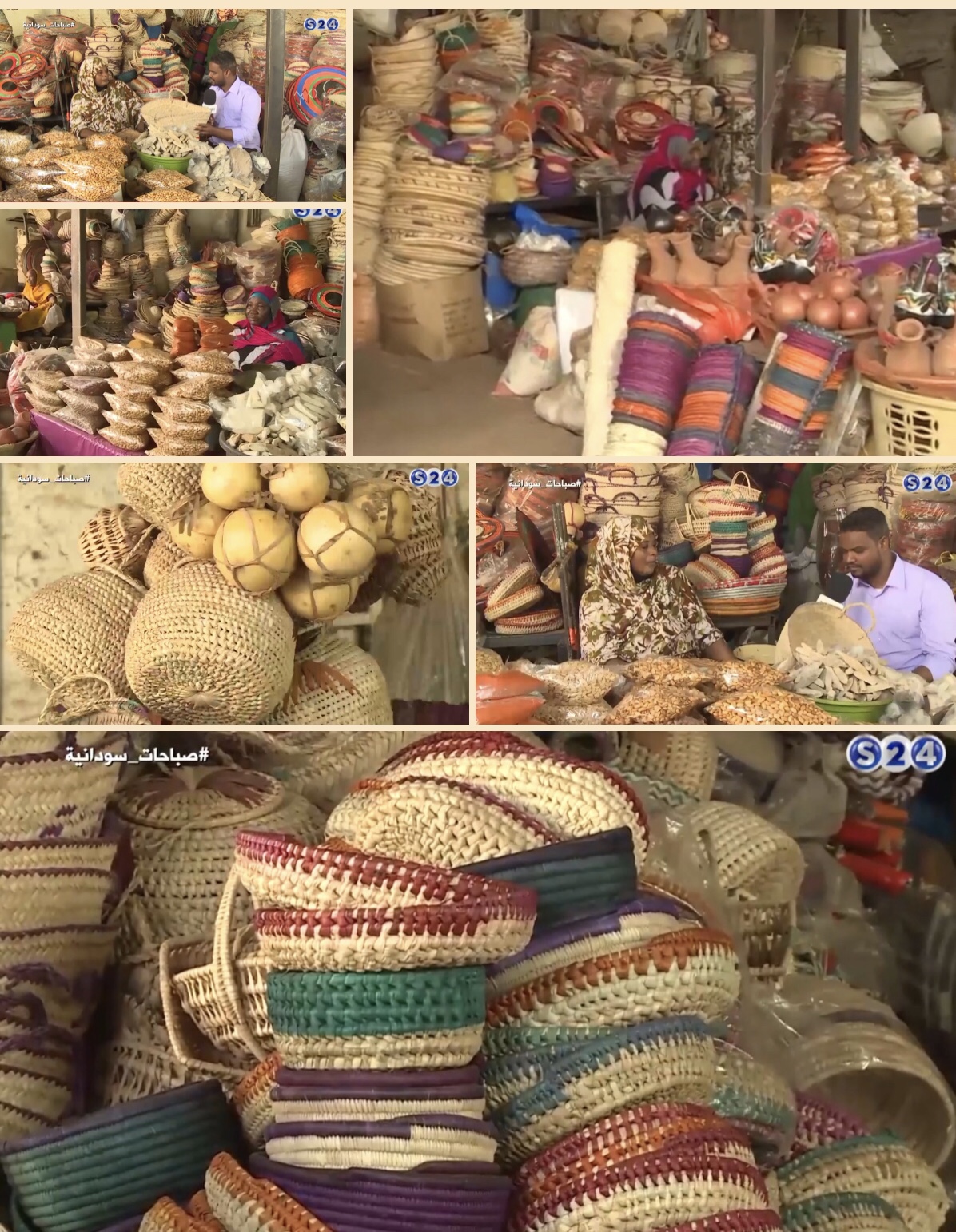
Above, screenshots from Sudanese TV Youtube reports reviving interest in baskets and other natural woven articles. Darfur and Kordofan are famous for the quality, skill and decorative designs of their baskets and food covers.
Watch the short video to see more examples of Sudanese crafts at Omdurman market. (Arabic only interview with one woman trading in traditional crafts – synopsis available shortly)
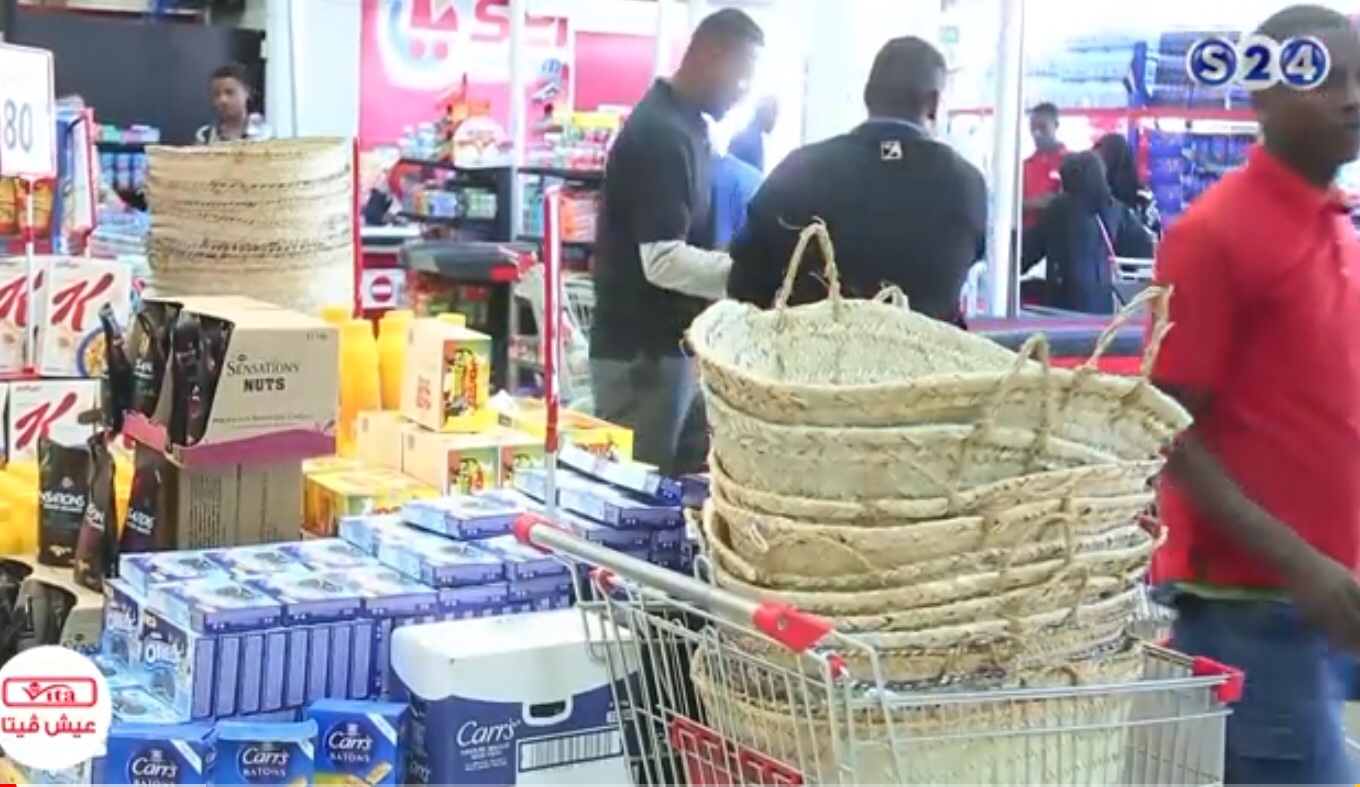
Screenshot from S24 TV report interviewing supermarket customers committed to using traditional gufaaf
“Guffa al Mullah” – Traditional Crafts for Income Generation

UNAMID reports highlight the income-generating potential of basket weaving and similar crafts for women battling economic hardship:
“Halima Adam has been making baskets, food covers and mats ………… According to Ms Adams, she learned the art of weaving mats from her grandmothers when she was a child. A widow with several children, Ms Adam is the primary provider in her family and reveals that selling such crafts in the market enables her to ensure that her children can attend school. ‘After the death of my husband, we have been living solely from the income I generate through these crafts,’ says Ms Adam. She also claims that she has some regular customers for whom she creates woven objects to order.”
Learn more here: UNAMID Crafts Ease Economic Hardship

Our literacy programs at Women’s Education Partnership focuses on women acquiring the literacy and numeracy skills they need to lead lives which empower their families and communities. Developing income generating activities plays a central part in this and we are working to further develop this side of our work. Women with artisan skills from their homelands in Darfur and Nuba Mountains teach their literacy partners their skills, discuss how to calculate and finance the costs of materials – often involving setting up a collective saving fund within the literacy circle – and explore how to sell and market their products locally and determine their potential profitability. In the process, initiative and leadership skills come to the fore and women acquire a sense of pride and self-confidence in their creative and income-generating abilities. They take control of their income initiatives while working to maintain and revive a rich cultural heritage in sustainable craft. Left, a traditional food cover or tabag, personal collection
Our literacy trainers work to encourage participants to take ownership of their projects, experiment and learn from their mistakes, focus on community benefits of their initiatives, supporting them with expert input where needed. Learn more about our methodology in Literacy Circles in Action

Sudanese proverb – A basket with two handles needs two people to carry it

Basket weaving in Darfur (photo Pinterest)
“In Darfur the grasses used to make baskets as known as “zaf” and “buno”. Zaf is courser and used as the structural element around which the smooth-surfaced buno is wrapped. Dyes are known as “tifta”. Red and orange dyes are derived from sorghum, purple tones traditionally from mollusks or indigo plants and brown and black from acacia.” (source – Darfur Peace and Development – How Weavers Create Darfur Baskets)

Palm Leaf Weaving in Northern Sudan

Weaving Brighter Futures – More Examples of Craftwork
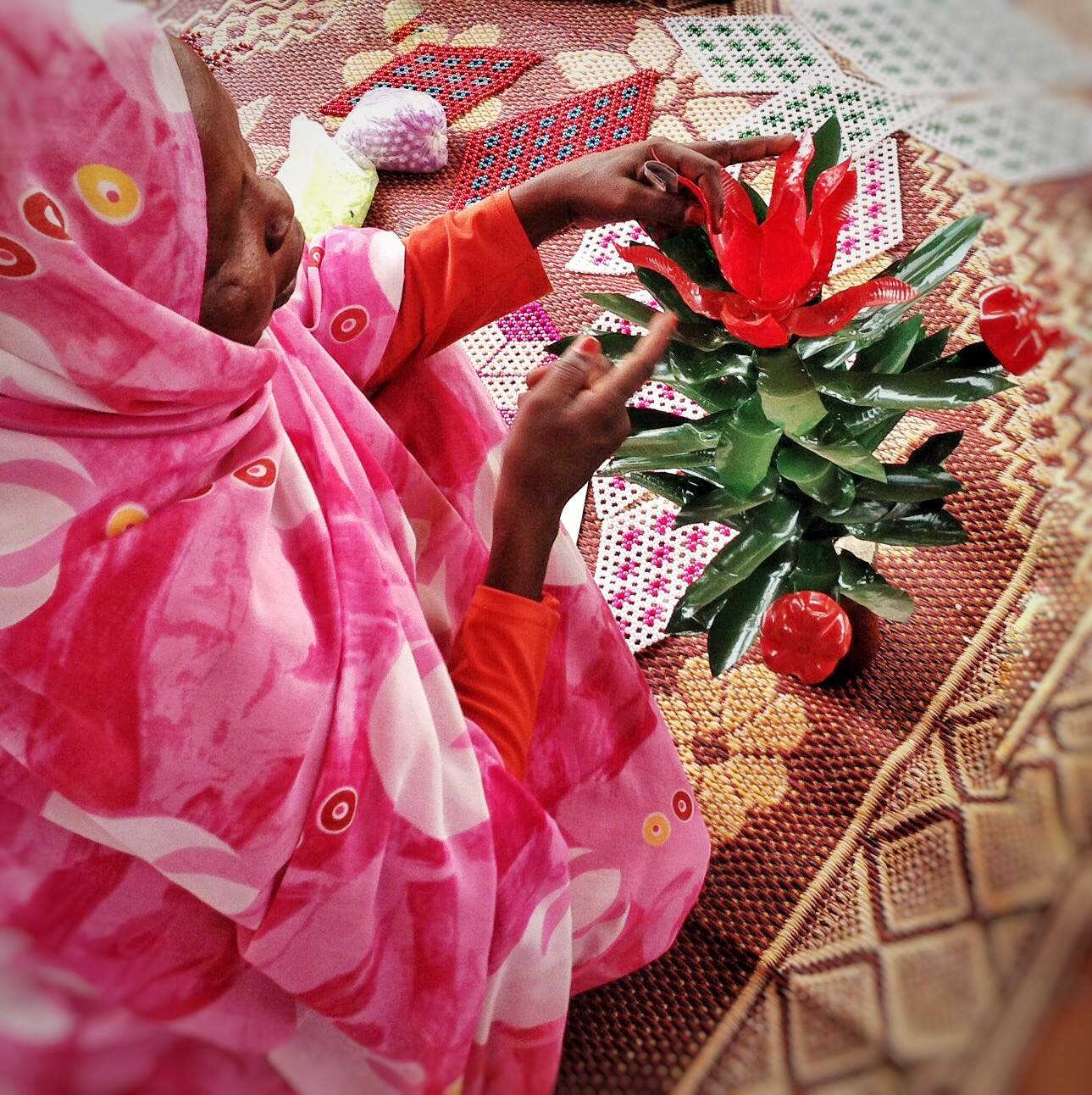
Below, one of our participants with decorations she made from plastic drinks bottles, explaining the making process to her literacy circle partners. She supplements her family’s income by selling them locally and helps other literacy partners to do the same by setting up small cooperative, income-generating projects. Her work inspired others in the circle to undertake similar projects. See more in Scenes from the Circles
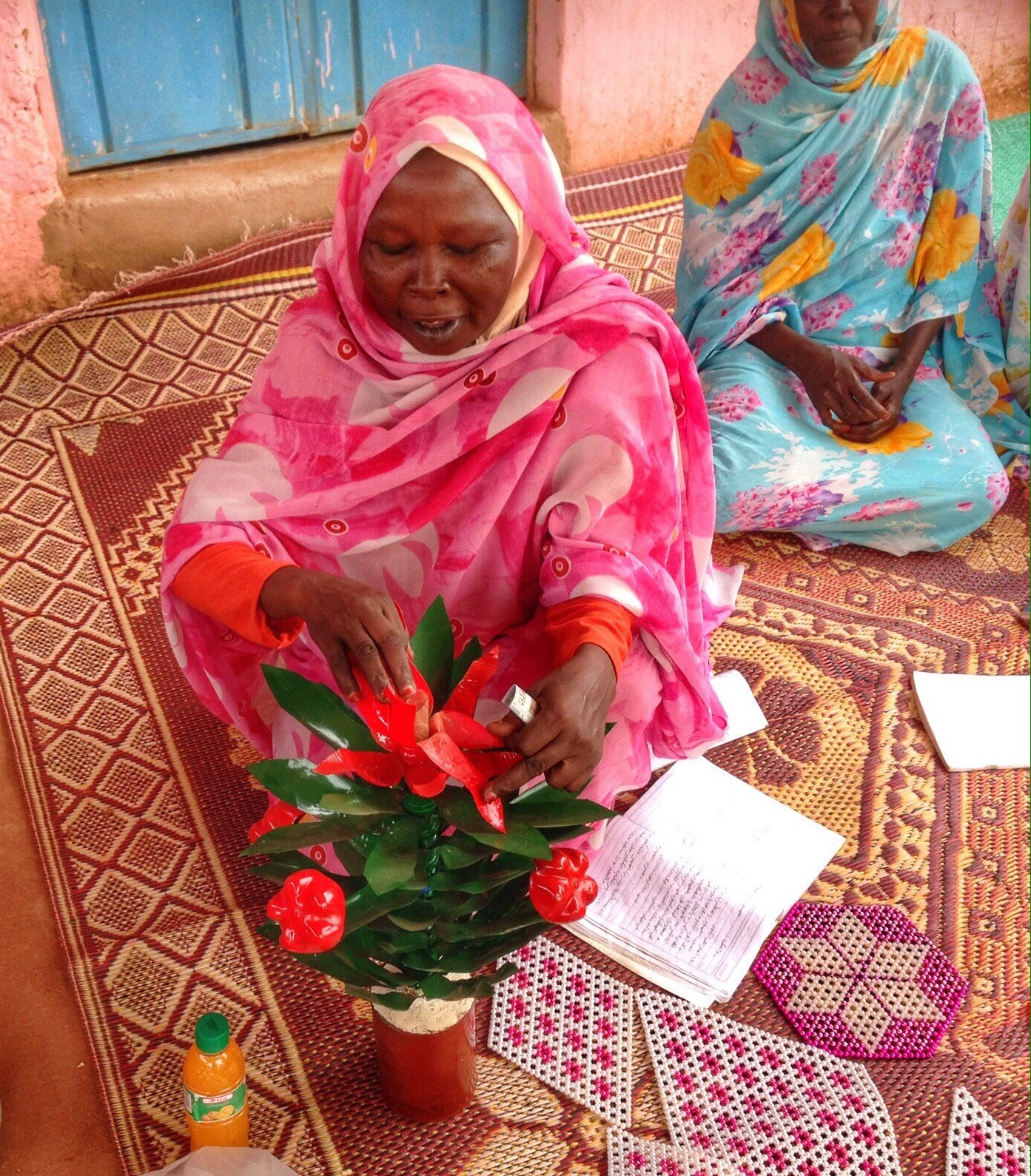
Beadwork also forms a practical basis for numeracy skills
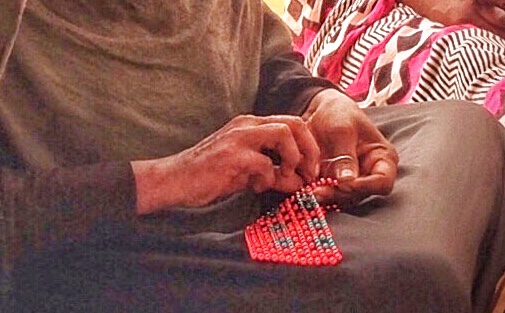
Below, a chance for reflection and the sharing and learning from life experiences while focusing on beadwork. Learn more about the challenging lives of our literacy participants in The River of Life and Bread and Salt


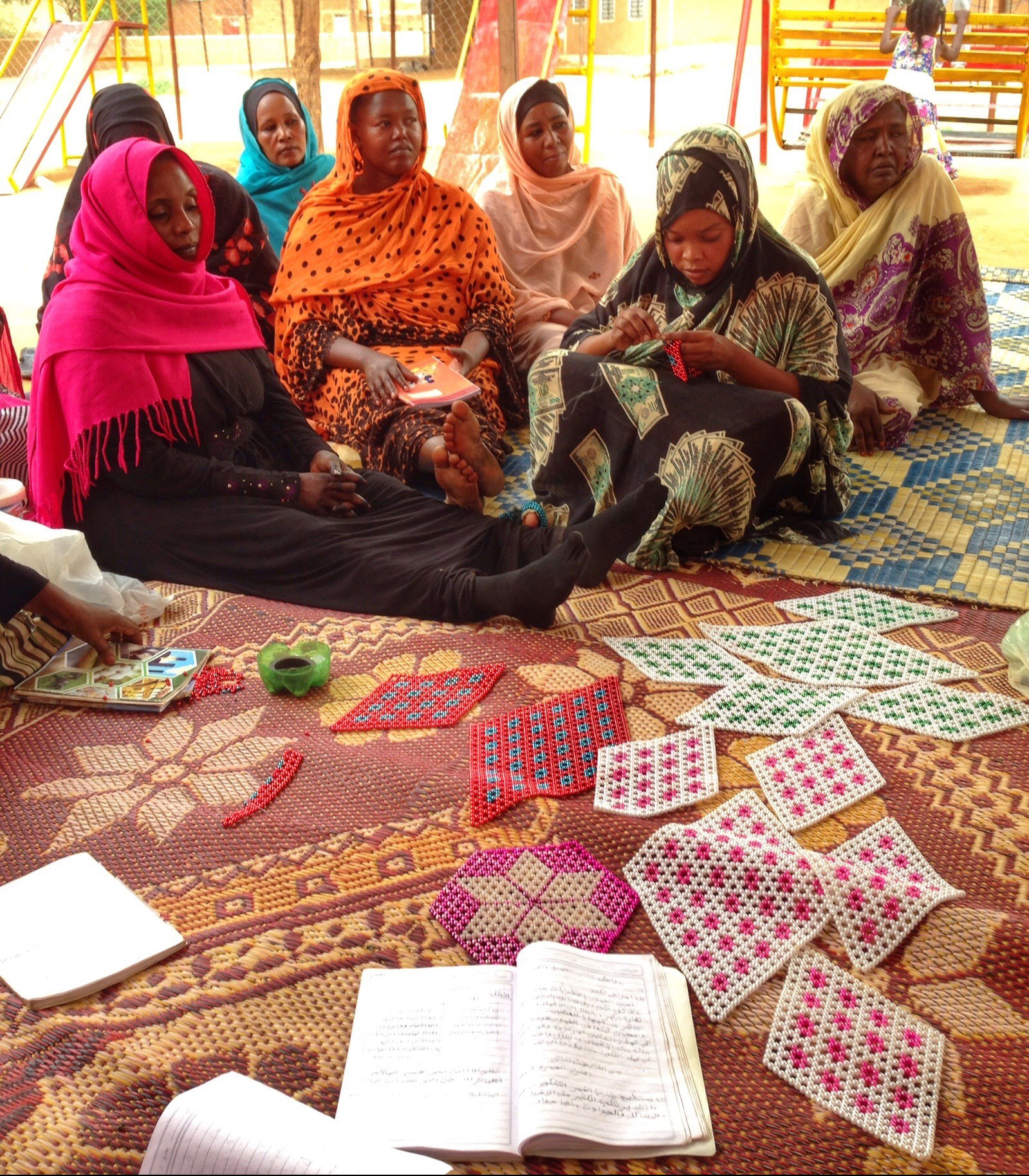
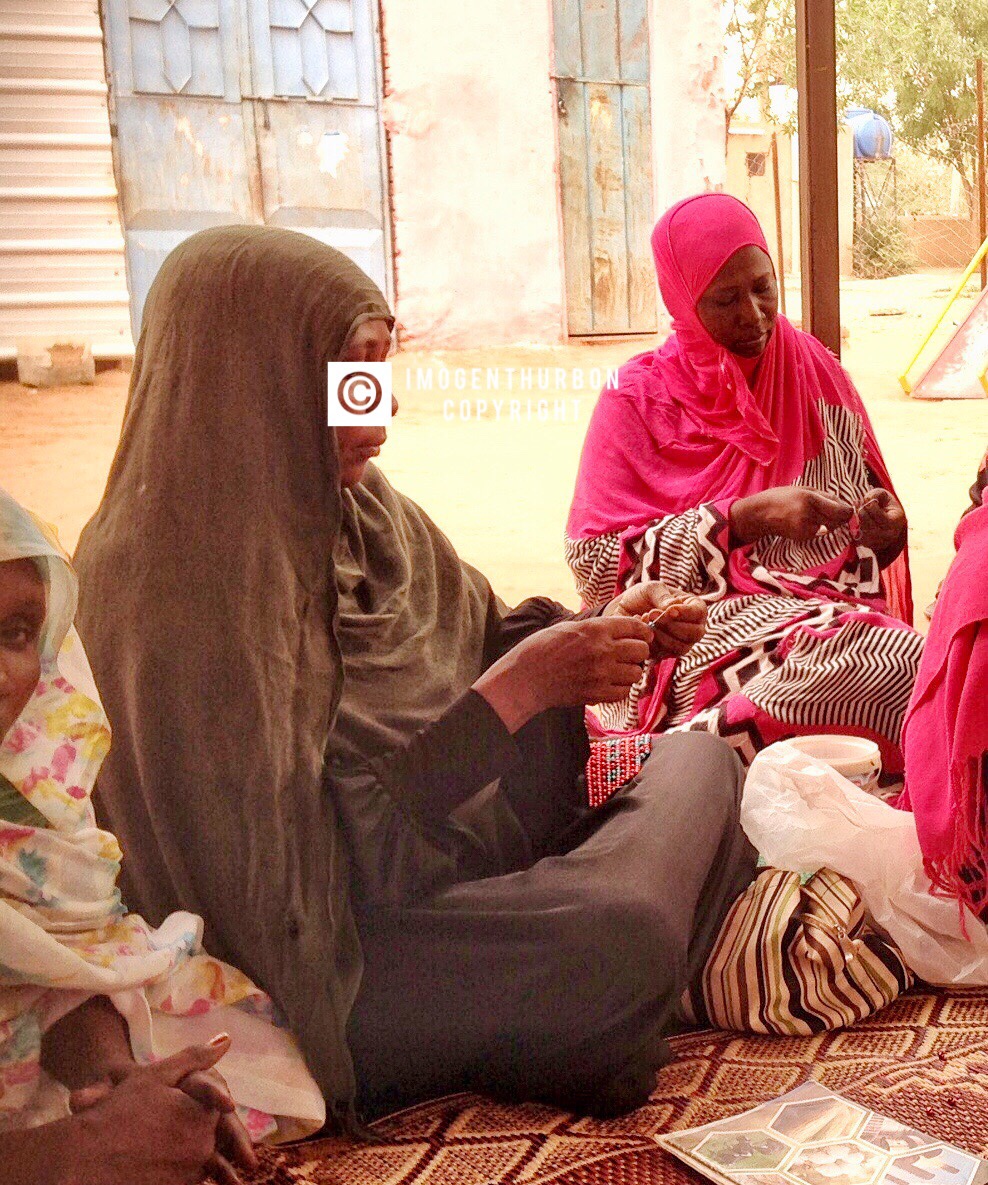
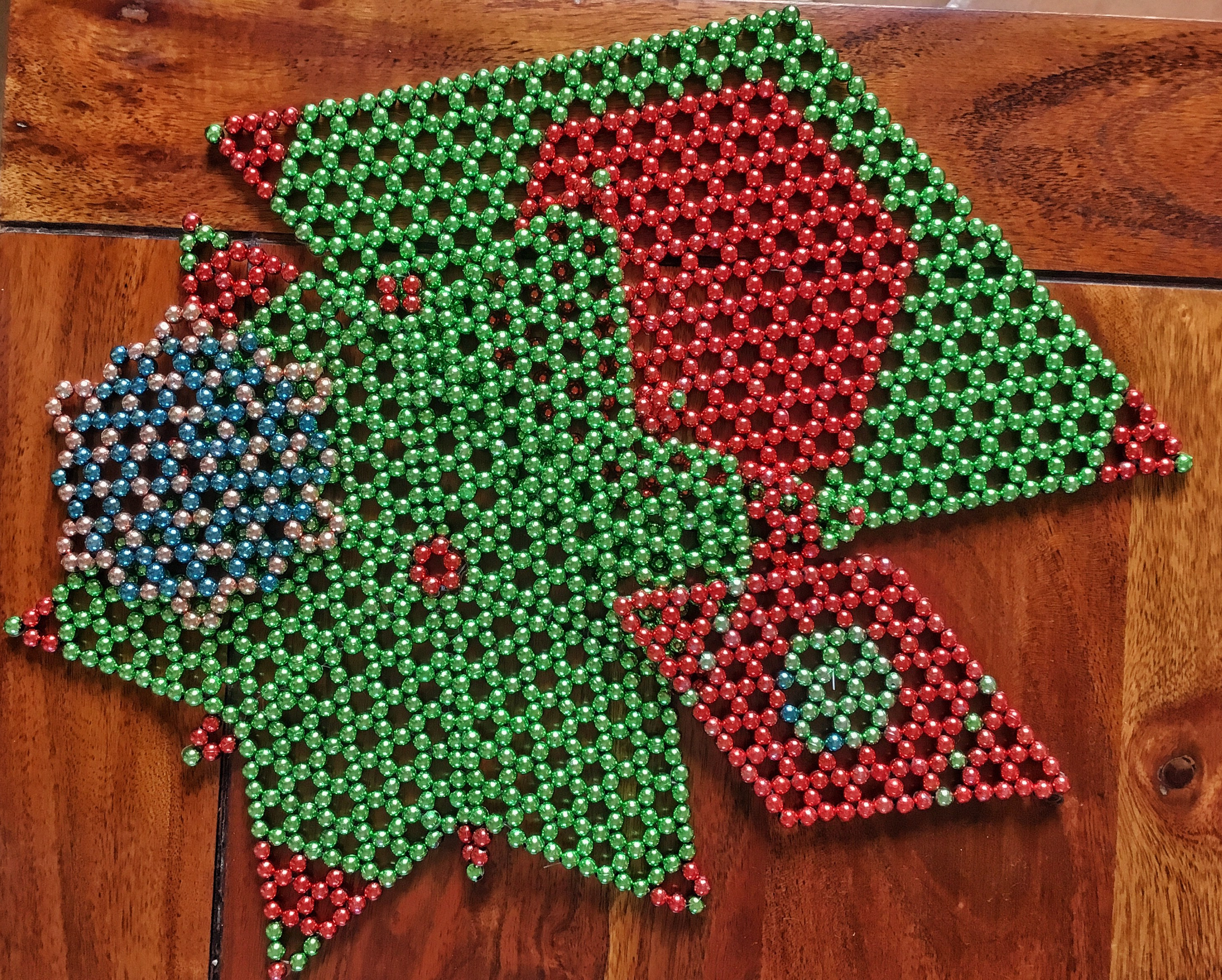
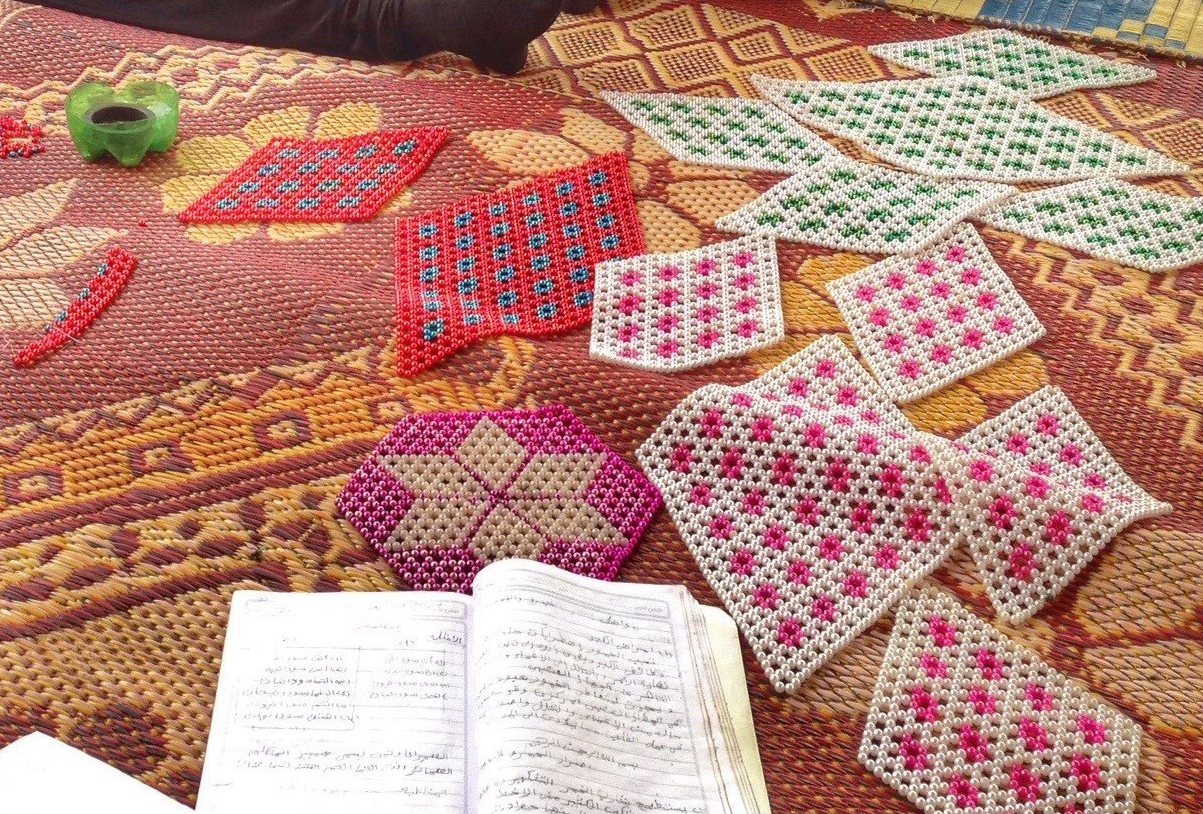

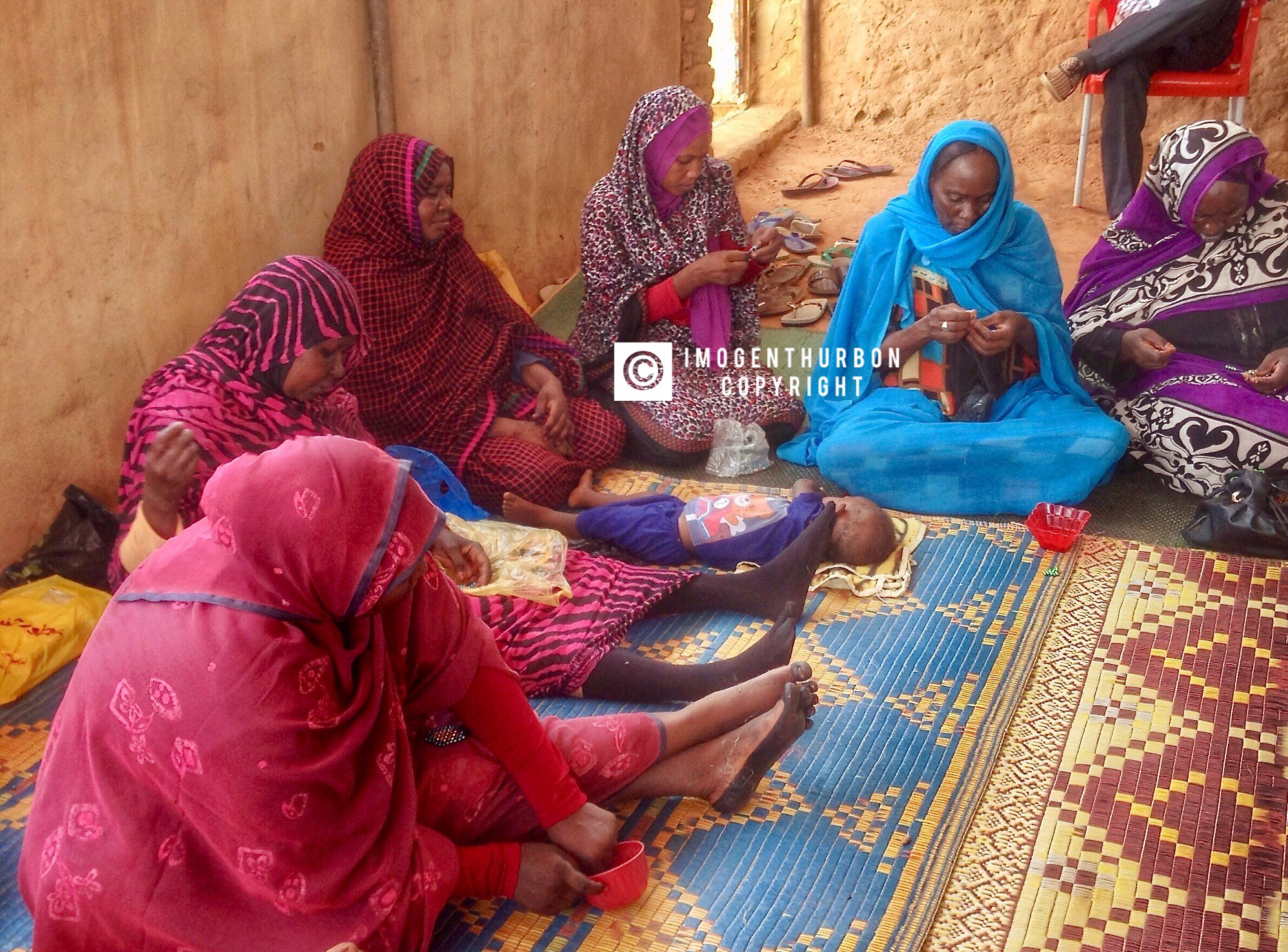
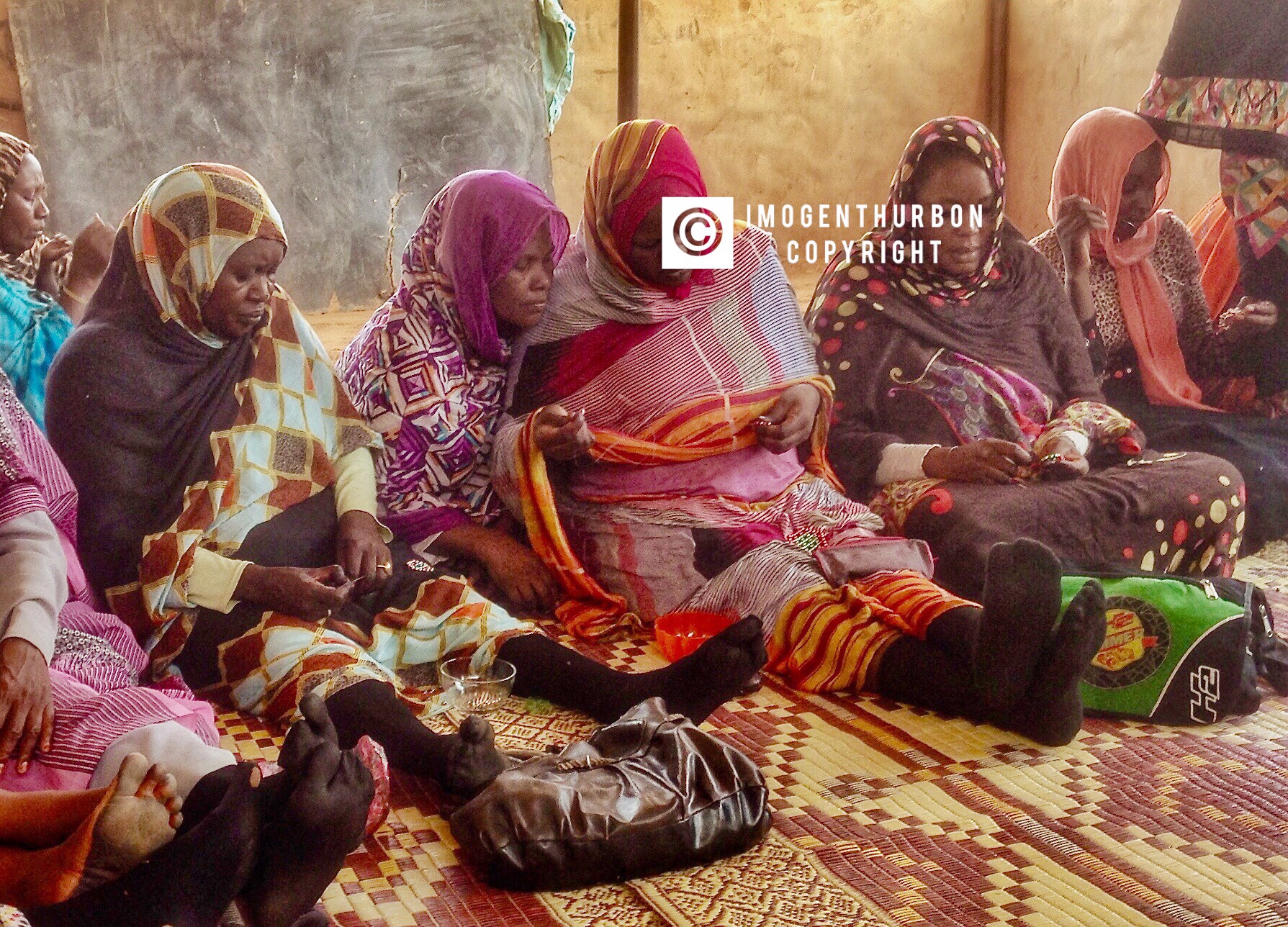
Our literacy participants sharing their skills
Below, decorated containers made by our literacy participants

Team Work and a Sense of Pride


This is a literacy post for Women’s Education Partnership
Learn more about our literacy work in Literacy Changes Lives and Windows
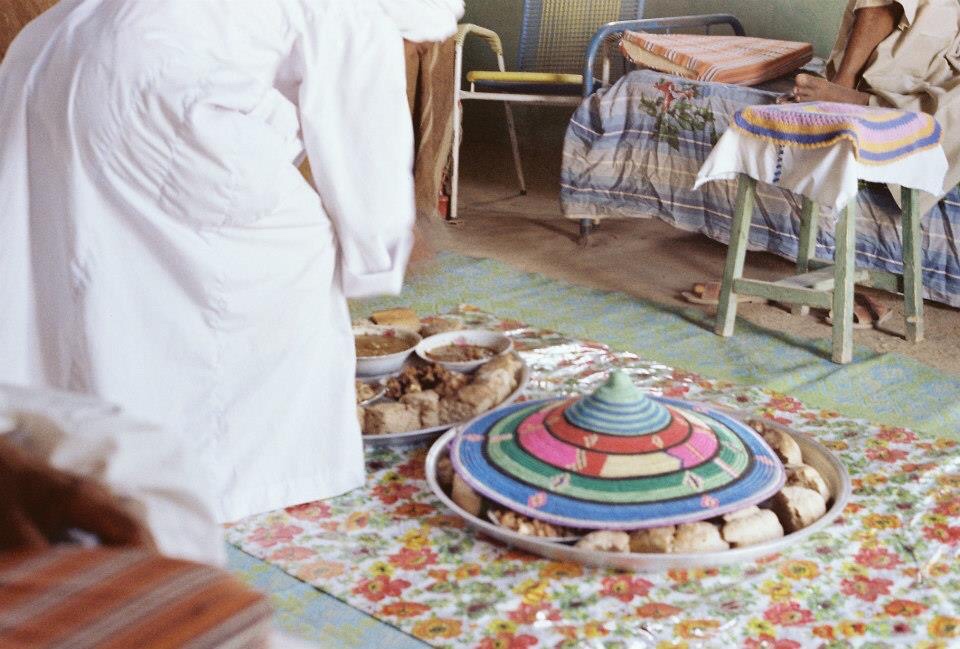
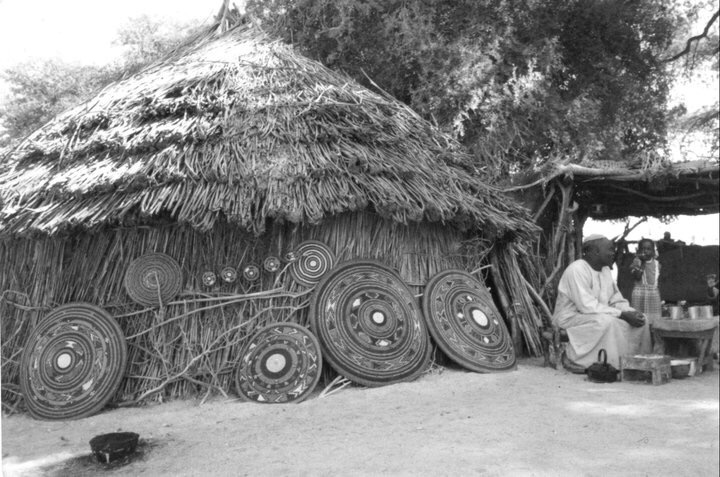
Below, traditional food covers and decorative tabag seen 1980’s. Photos courtesy of Sudan English Teachers FB Group
 Women's literacy in Sudan
Great reeading your blog post
LikeLike