

Kindness to the Stranger: The Ziir / Zeer
A Photographic Tribute
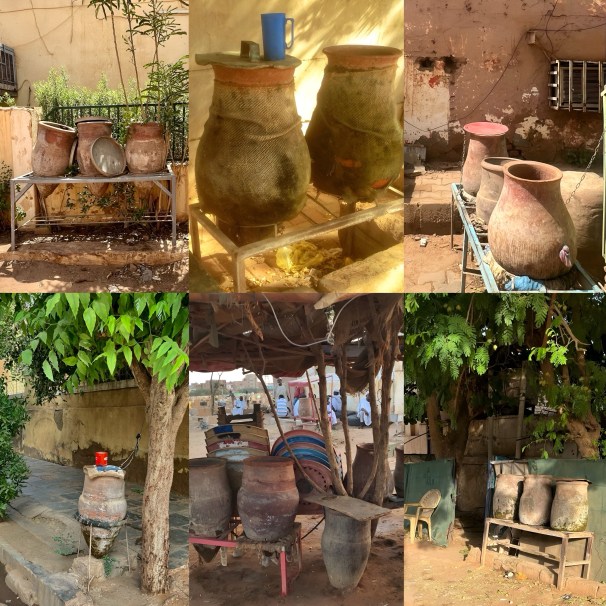
Above, Sudanese earthenware water jars or ziir, plural azyaar, seen on the streets of Khartoum and Omdurman. Ziirs and fountains provided for free public use are known as sabiil / sabeel, plural sabaayil. The ziir’s porous texture keeps water refreshingly cool through the latent heat of evaporation.

The Zeer / Ziir and Sabiil / Sabeel
Zeer / Ziir Making in Northern Province 1980s
A Dying Craft? Zeer Making on Film – Our Heritage Our Sudan
Women Zeer Makers in Northern Province
Photographic Tribute
The Zeer and Sabiil
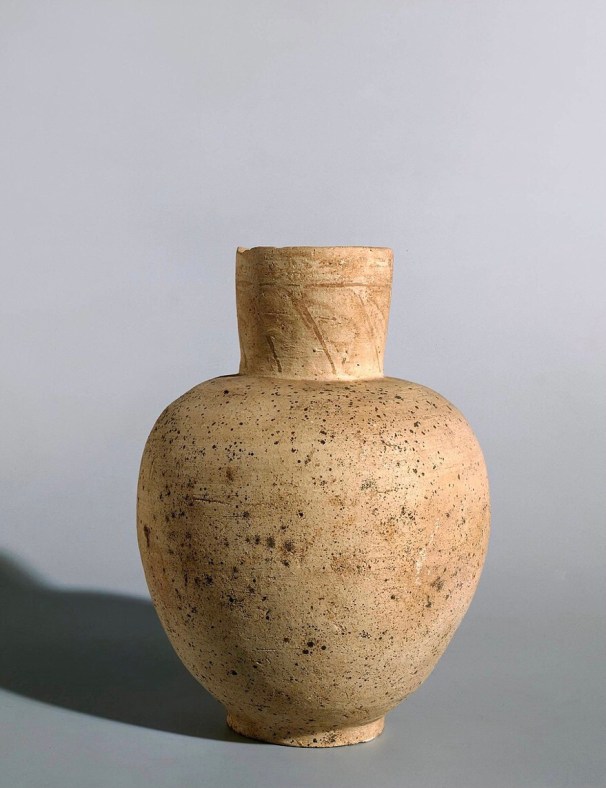

This brief post was inspired by a recent article by Our Heritage Our Sudan – The Sabeel and includes their fascinating short film on ziir making, embedded below. Our Heritage explains that the structure supporting the ziir is called a “Mazyara, “مَزيَرَة”, usually made of wood, metal, bricks or cement. “The Sabeel provides clean drinking water for passers-by as a form of social cohesion and is considered a source of good deeds for the owner who placed them for public use. A Sabeel is also considered a form of ongoing charity set up by family and friends for a deceased loved one.” Our Heritage Our Sudan. Zeer are often sold in Sudanese zariiba faHm; charcoal and earthenware markets, like the one featured by Sudania TV, on the left. Right, an example of the zeer’s smaller sister vessel, the qulla, Nubian qulla, Wikicommons.
This quiet and very practical act of generosity to strangers is central to Sudanese codes of kindness and collaboration. The ziir enjoys a treasured role in Sudanese culture and is referenced in poetry, folktales and proverbs.

Above, Sudanese proverb courtesy of Muna Zaki
Nawaaya tasnid az-ziir; a small date pit props up the water jar.
Without the support of the small date pit, the large water jar would fall to the ground and be smashed. Important projects succeed with the support of small contributions. See more Sudanese proverbs in The Dung Beetle and the Moon.
Zeer making in 1980s Northern Province


Above, a potter in Abri, Northern Province, turning a ziir on a potter’s wheel in the 1980s. Below, his freshly turned pots lie drying in the sun before firing. Many ceramics in Sudan are made without the wheel and the coil techniques involved are discussed in detail in the links below.

If you are interested in going deeper into the world of Sudanese ceramics, her artisans and artists and their unique aesthetics and skills, then you might enjoy the following articles which include video footage of the making of ceramics in Sudan; Giving Form to Clay Sudan’s Women Potters, Giving Form to Clay Sudan’s Women Potters 2, Giving Form to Clay 3 – Short Film, The Scorpion and The Coffee Pot and “How Earth Works”.
A Dying Craft?
“Traditional pottery making is becoming an extinct craft all across Africa…” Reporting on the women potters from the right bank village of Al-Qadār, near Old Dongola, researchers Aneto Cedro and Bogdan Zurawski note that “the last ones, ‘Aziza Mabruuk and Halima Sa’ad passed away less than ten years ago, at the age of eighty. Although their mothers and grandmothers were making pottery they left nobody who might continue their craft. Living with the Past in Modern Sudanese Village Traditional Pottery Production in the Ad-Dabba Bend of the Nile.
You can listen to Sudanese potters voicing their fears for their vocation in A Dying Breed: The Sudanese Potter.
Ziir / Zeer Making in Action
Our Heritage Our Sudan is striving to document and revive Sudanese skilled artisan traditions. See their short film on zeer making (automatic English subtitles) here:
You can also listen to Sudanese potters talking about their dying craft in Arabic in Sudanese Arabic Documentary transcripts
Women Ziir Makers in Northern Province
Researchers Aneta Cedro and Bogdan Zurawski, documenting traditional pottery techniques in the Ad-Dabba region in 2019 describe below the way ziir were being made there and the central role of women potters. Click on the link below for their article in full, which is accompanied by copious illustrations. The article outlines the subsequent burnishing and firing processes of the raw ziir too.
“For the manufacture of vessels, they prepare a paste by mixing alluvial silt with animal manure (from a donkey) and grog – sherds crushed to powder – and add water.” Quoting their informants, they explain “they usually make a large zīr, circa 70cm high, within one day only. Its production cycle, however, comprises several stages; first, the bottom part with the rounded base is formed by squashing a lump of clay on the matting, cloth spread on the ground or in a flat, wide metal bowl. After the desired shape (in form of a hemispherical bowl) is achieved and the wall thickness has been unified, the product is left for a short time for drying – in summer the time needed is very short. In the following stages of forming, the central part of the vessel is built by applying roll-shaped lumps of clay, which are thinned down and elongated by hand. When the walls reach the desired height, the surface is scraped and smoothed using a rounded spatula (today usually made from fragments of metal or plastic containers). Finally, the topmost part and the rim are made in a similar way. Each step of forming is made after a short interval for drying.”
Living with the Past in Modern Sudanese Village Traditional Pottery Production

Above, sketch of a friend, Northern Province standing by one of her many household zeers.
Below, colonial era photographs of women carrying water in Khartoum and a potter’s kiln in the capital.


Below, some of the ziir of Khartoum and Omdurman


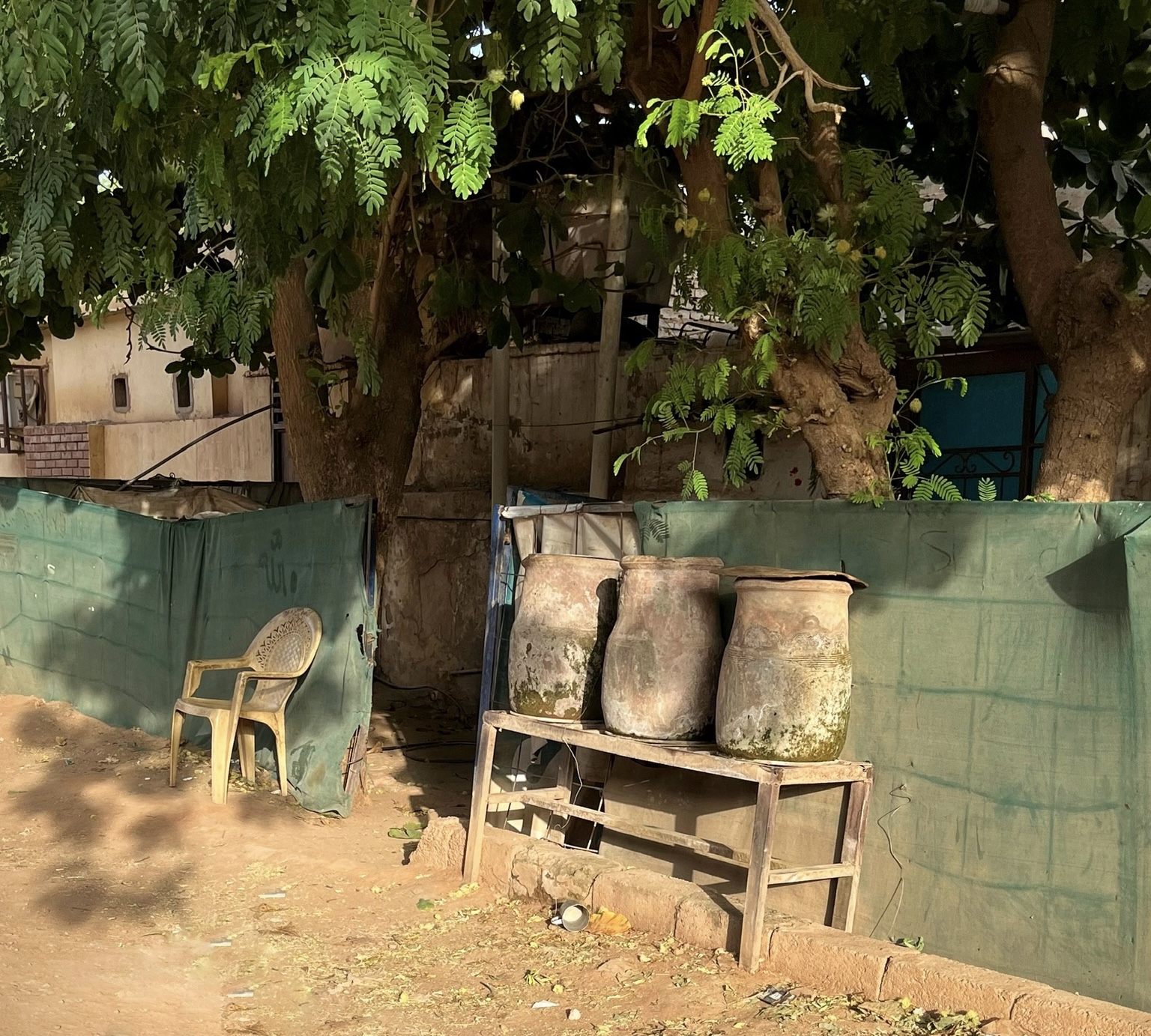
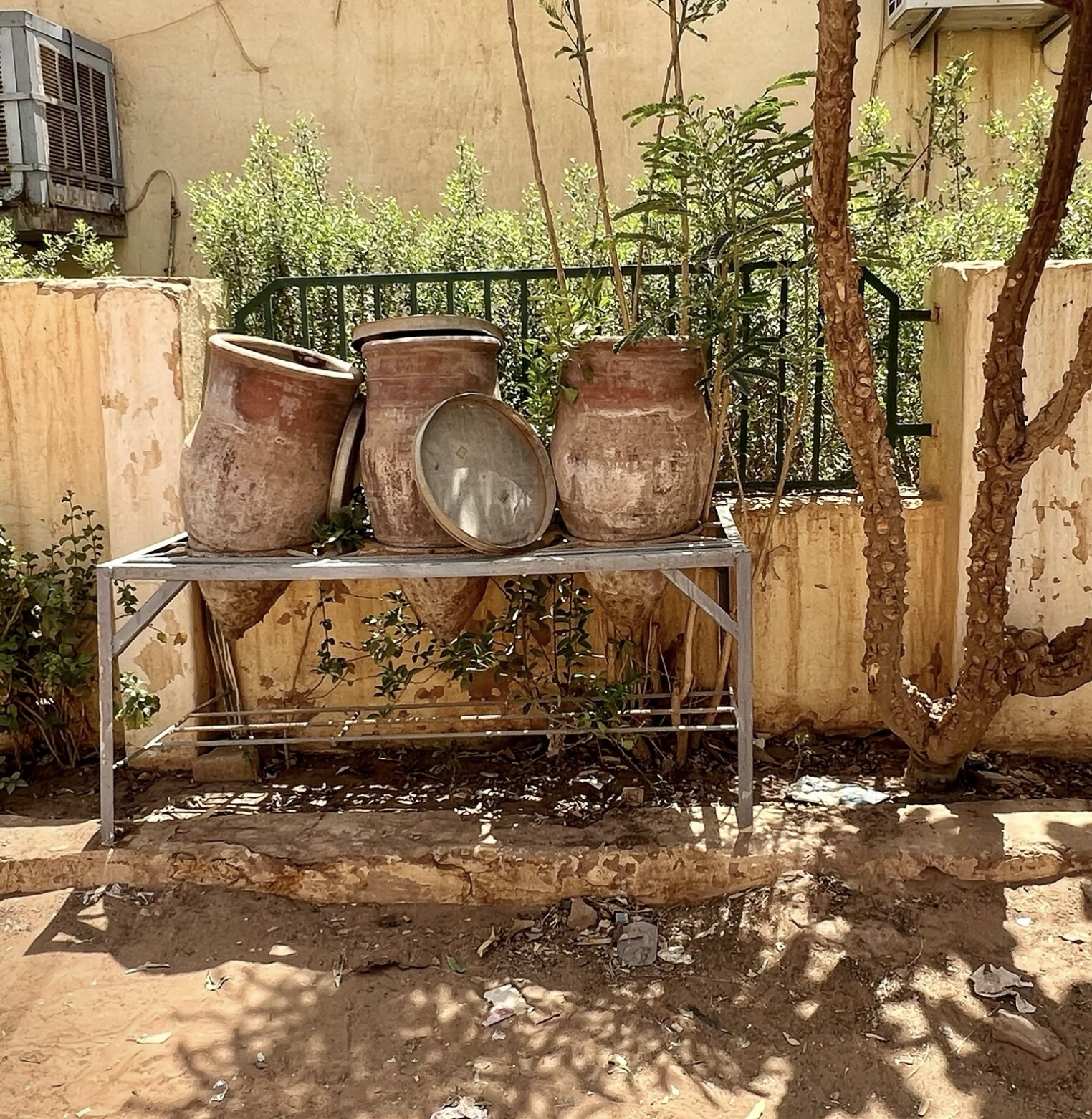


Below, a sabiil in central Khartoum, near Babekir Bedri street.

And a sabiil off Qasr al-Nil Street, central Khartoum.
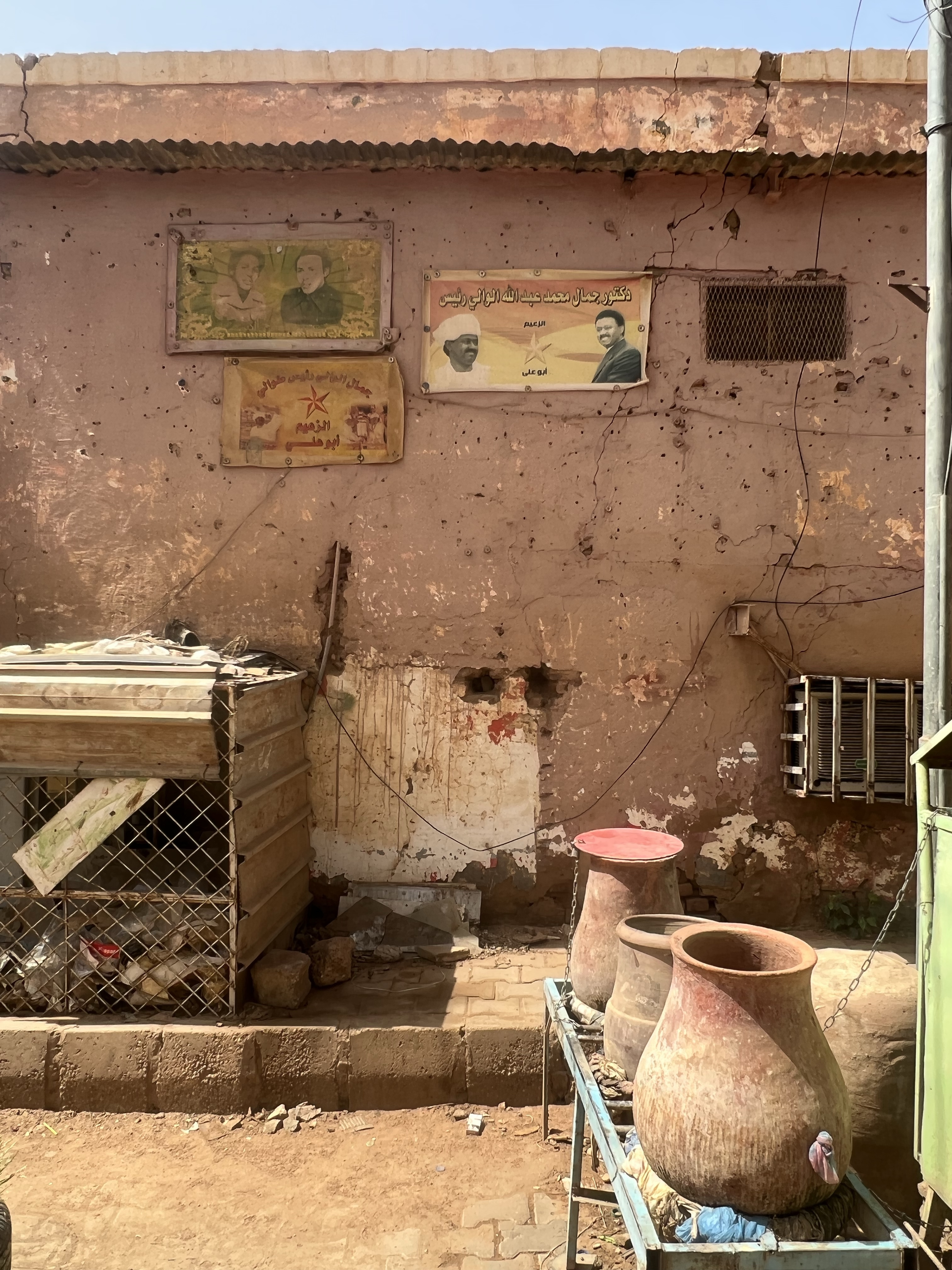
Below, a sabiil in a boat-maker’s yard on the way to Omdurman.


Below, scenes from Omdurman, in the grounds of the Mahdi’s tomb.
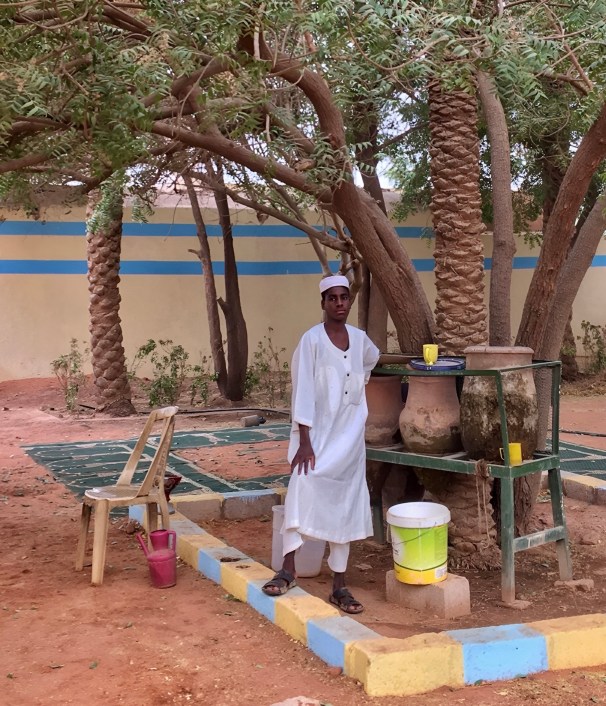

Below, a sabeel at Hamed Al-Nil cemetery, Omdurman.

Giving Form to Clay Sudan’s Women Potters

Below, from Hillelson’s Sudan Arabic Dictionary, 1930, recording diverse pottery terms. The backdrop to the definitions, detail of a drying zeer with strips of cloth used for crating motifs.

 Women's literacy in Sudan