

Ramadan Greetings 2025
Women’s Education Partnership wishes all our kind supporters a Blessed and Safe Ramadan. We hope that when Ramadan returns next year Sudan will at last be at peace. At this time, we especially remember dear colleagues, partners and friends in Sudan who have suffered tragic loss as a result of the war.
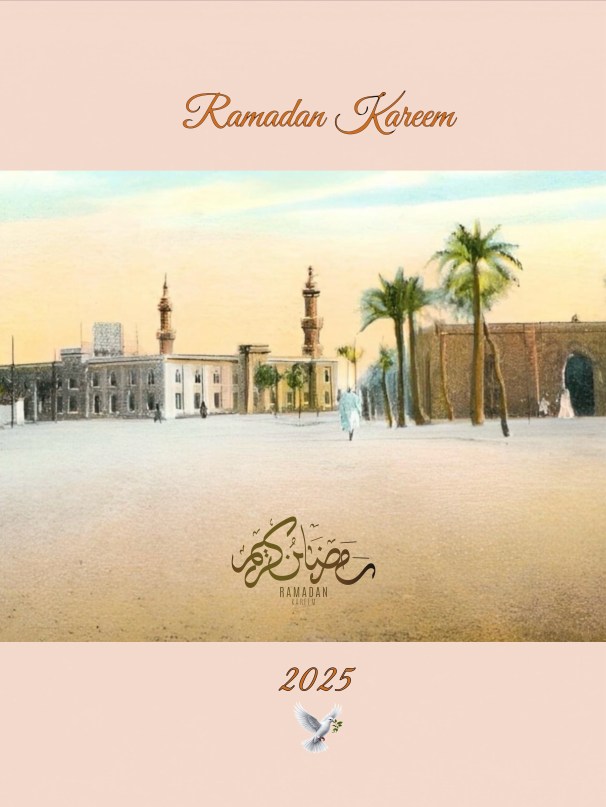
This card is based on a colonial-era postcard of Mosque Street, Khartoum. See too Postcards from Khartoum and Omdurman.
Read an update on our work during wartime by our Chair of Trustees, Dr. Abdul Suliman here.

Earlier this month UN Secretary-General Antonio Guterres urged all parties to the conflict in Sudan to agree to a humanitarian ceasefire during the Holy Month of Ramadan. Speaking in Addis Ababa, Guterres reiterated that “Civilians, including humanitarian workers, must be protected. Rapid, safe, unhindered and sustained access must be facilitated in all areas of need”. The UN call for a ceasefire was echoed by the African Union’s Peace and Security Council, who emphasized the need to “return to negotiations, followed by comprehensive dialogue and political transition.” Tragically, it appears no ceasefire will be in place in time for the beginning of Ramadan this Friday evening / Saturday.
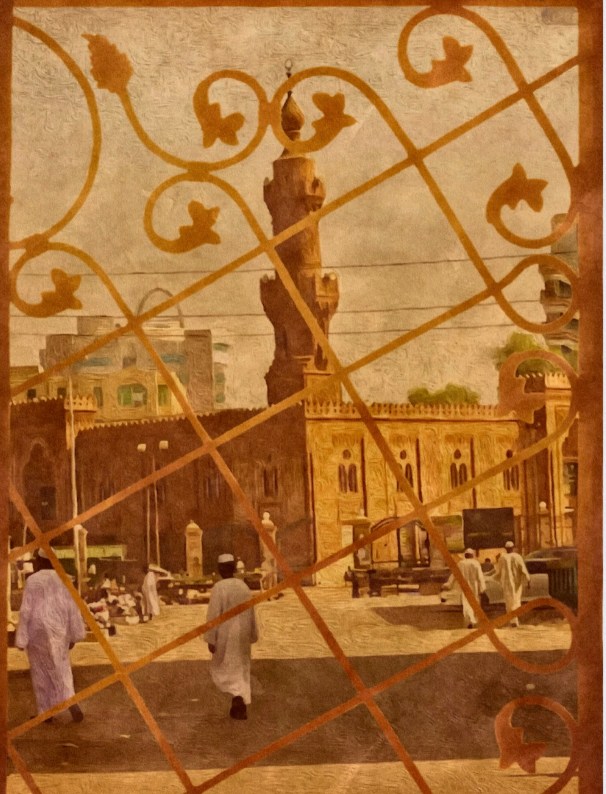
Sketch of the Great Mosque, Khartoum, 2022.
Ramadan in Sudan this year will once again be a time of profound spiritual consolation, when many will remember and pray for all those loved ones they have lost. One of the many customs special to Sudan in Ramadan is Rahmataat, offerings of food in remembrance of those who have died, which takes place during the last week of Ramadan. Read more about the fascinating history and practice of Rahmataat next week.
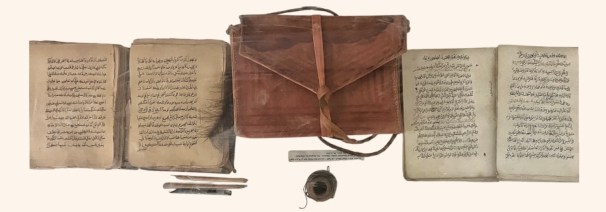
Above, 19th century copies of the Holy Quran, Sudan Ethnographic Museum.
If you would like to read more about the customs, traditions, poetry and prose of Ramadan in Sudan, then you might enjoy: A Bitter-Sweet Ramadan 2021 Ramadan Greetings 2022 Two Ramadan Dishes The Miswak in Sudan Prayer Bead Sellers of Khartoum The Lighting of the Lamps

Ramadan is a time of consolation borne of acts of generosity. The North Kordofani folktale below captures the healing generosity the rituals and ethos of Ramadan inspire.
There is a story that once during the fast of Ramadan, guests came to a village. As sunset approached, people prepared to break the fast together in front of their houses as is the custom. The sheikh quickly went to the nearest house with the guests. That house was simple and its inhabitants were poor. From that house, a young boy brought a jug with many cups and only one dish on a tray. He distributed cups of water with great passion to the guests and made them feel welcome.
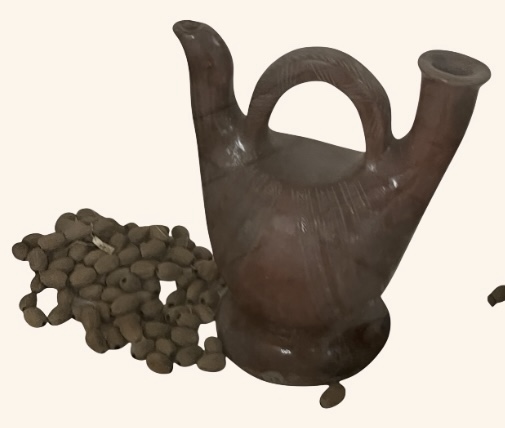
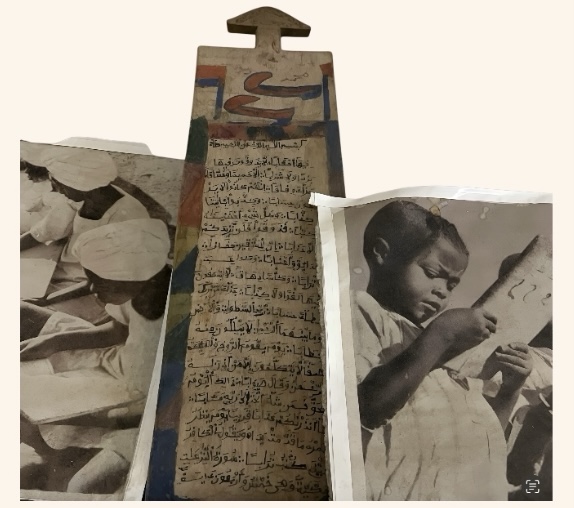
The person telling the story said that he had been ill for a long time with a stomach ailment and had received medication in Khartoum and had even been to Jordan for treatment. God had certainly wanted him to be at that iftar feast. When the boy brought the drink it was hilo murr, a fermented grain drink without sugar, and the kisra had only water, onions, salt and oil to eat with it and no sauce. The man said, ” As we were eating, I thought about the poor circumstances of that family and out of compassion for them, decided not to eat dishes brought to the iftar by other villagers.” Later he said, “I only ate that dish and not a single other thing that day. Praise be to God, from that moment on my stomach is well and it never felt poorly again after that.” Indeed, giving from the depth of one’s heart is a blessing with its own wonders.” Above, prayer boards, prayer beads and ablutions jug, Sudan Ethnographic Museum.
From Sand in My Eyes, Sudanese Moments, by Enikö Nagy, p470.
 Women's literacy in Sudan