

Birds’ Wailing by Salah Elmur
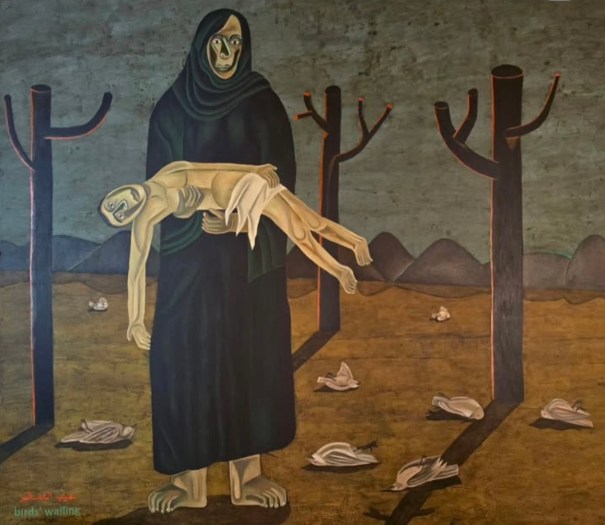
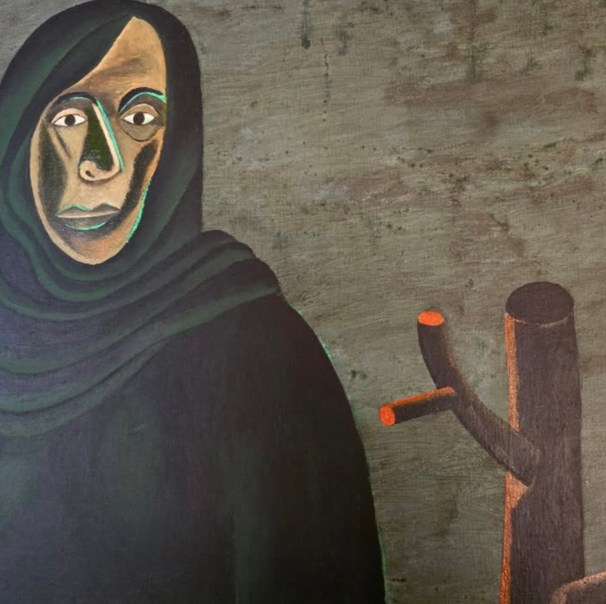
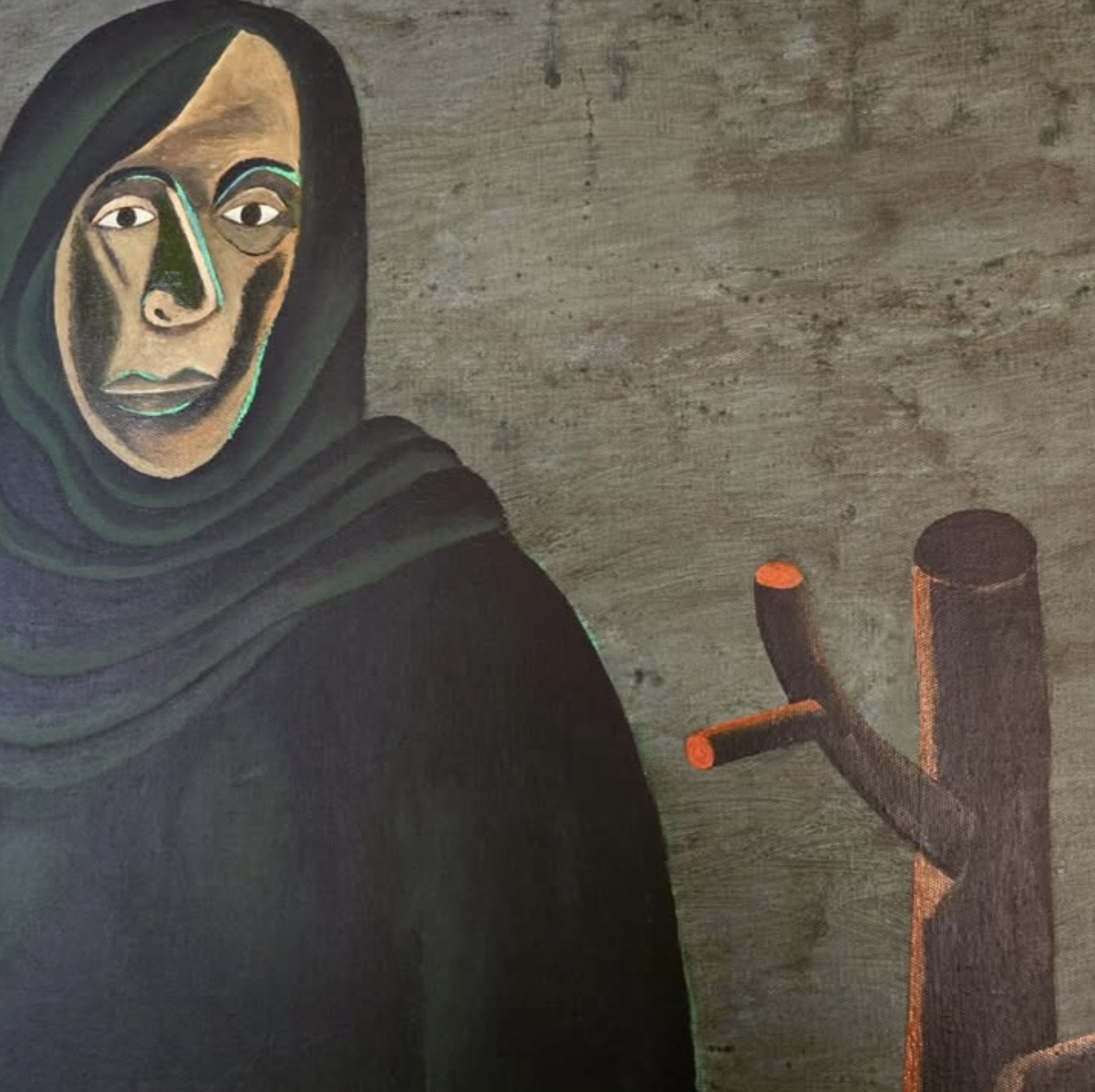
Above, BIrds’ Wailing by Cairo-based, internationally acclaimed Sudanese artist, film maker and writer, Salah Elmur, reproduced here with kind permission of the artist. Details from the work are shown below.
In November last year the BBC, citing research by the London School of Hygiene and Tropical Medicine, reported that more than 61,000 Sudanese have died in Khartoum State alone since the outbreak of war. While 26,000 of those are estimated to have been killed as a direct result of the violence, the leading cause of death remains preventable disease and starvation. Thousands of Sudanese women and girls have been subject to sexual violence. In Darfur, international observers have documented shocking evidence of ethnic cleansing by the RSF and the deliberate destruction by fire of whole towns and villages.
See too, Salah Elmur Instagram.
The total death toll in Sudan is hard to determine and figures range from 50,000 to 250,000. Since the recent retaking of Khartoum, mass graves of RSF victims have been unearthed and eye witnesses have reported summary executions and violent reprisals by groups affiliated to the SAF.
Against all the odds, Sudanese civil society has endured unbowed, working to relieve suffering wherever it can and striving to restore basic infrastructure and services.
Amidst the horror of war, the work of artists such as Salah Elmur offers us profound consolation, speaking to us in a way words cannot, of the essence of our humanity and our compassion.
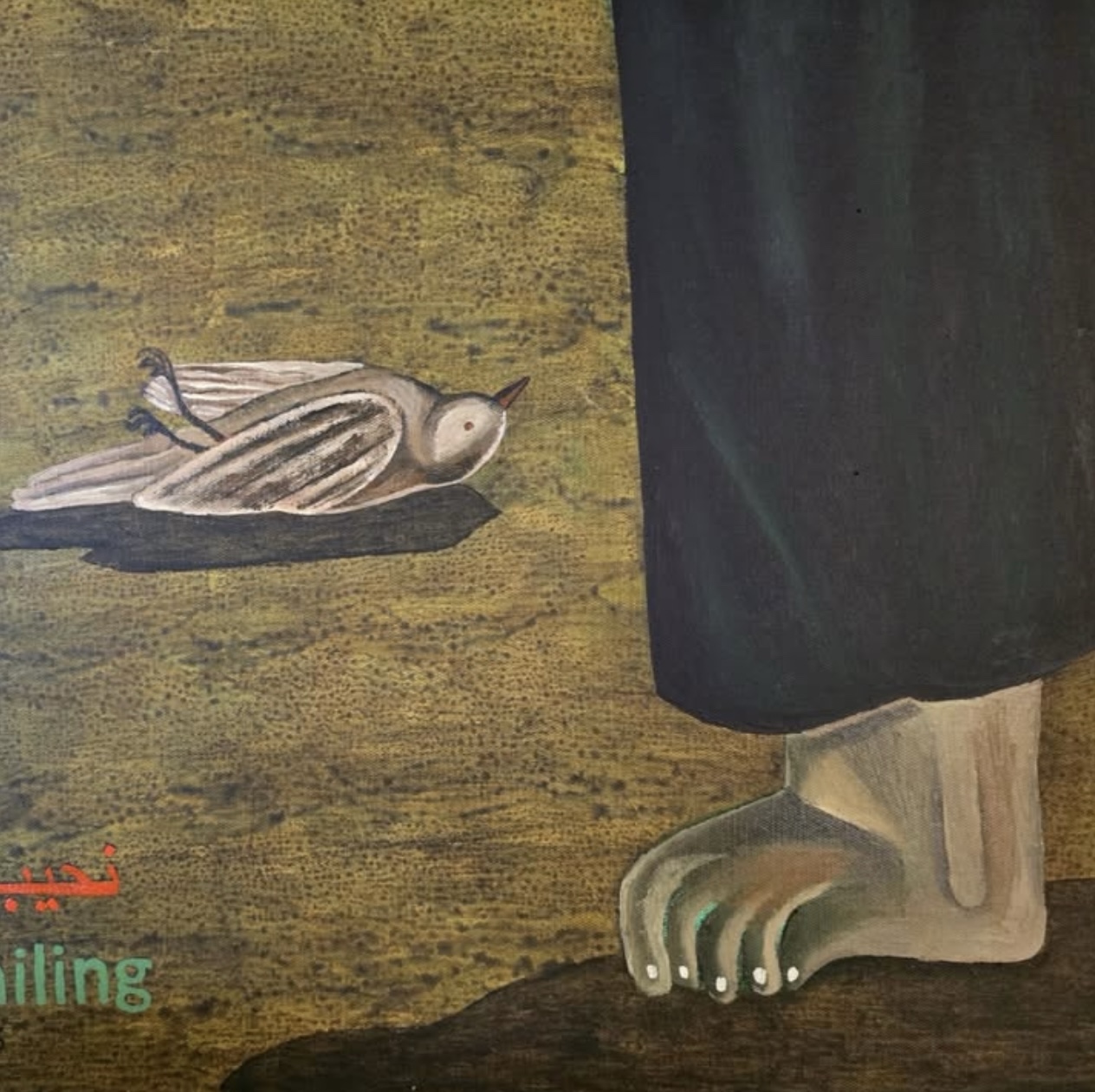
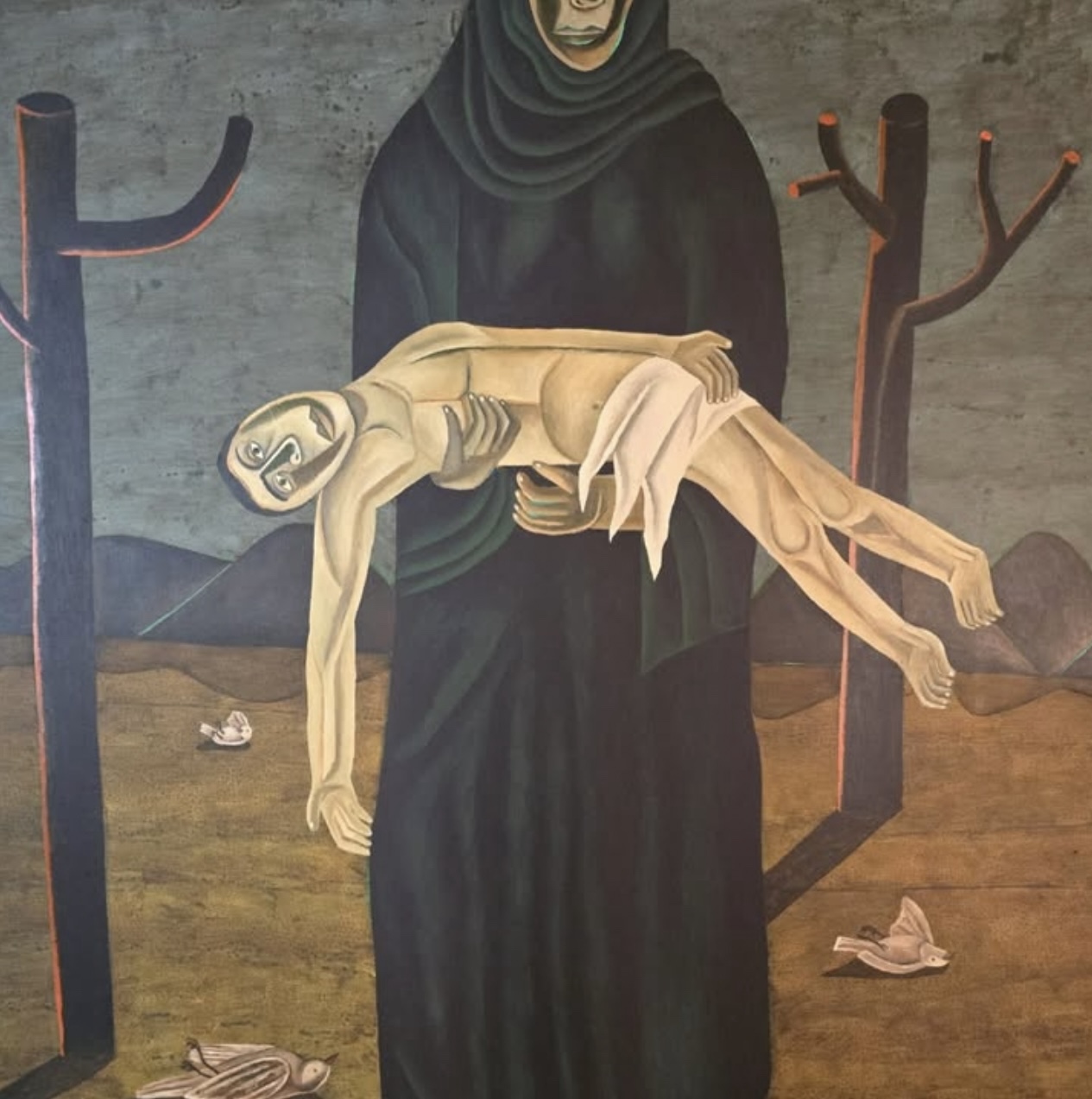
Below, details from Birds’ Wailing


Above, a family portrait by Salah Elmur, exhibited in Saatchi Gallery’s Forests and Spirits, London, 2018.
Birds’ Wailing.

Before the war, the families Salah Elmur lovingly portrayed were often entwined – interwoven even, among tall branches. Mothers in bright chequered dresses, reminiscent of the tiled flooring of the portrait studios of the artist’s youth, were framed by close, dense forest. Brides in moon white glimmered amidst dark, rich woods, both ancestral and sheltering, their trunks and boughs lovingly clasped by tiny hands. Critics have noted that the artist’s vibrant pink branches, as in the portrait above, might symbolize growth and prosperity, energy and tenderness. Left, Salah Elmur, photo courtesy of the artist.

In other works, as in Girl Wearing White Shoes, right, in a palette of intense yellows, browns and greens, delicate leafy fronds bloom from pruned branches, carefully tended. There is a vigour and energy in their stunted forms.

In Birds’ Wailing, the trees are maimed echoes of limbs; their scarred tips aglow with recent fire. They stand sentinel, in a wasteland of muted tones, a silent trinity against a backdrop of Kordofani or Darfuri hills. A mother, daughter, wife, sister bears the broken, draped body, Pietà-like, of a son, husband, brother. Instead of Elmur’s usual vivid, talismanic creatures, recalling childhood magic, the birds here are dry corpses fallen from a poisoned sky.
Birds’ Wailing is the most recent and striking work in Elmur’s established trajectory as a socially committed artist; a commitment he has exercised with courage and at great personal cost. Recently likened to Diego Rivera in his blending of socialist and magical realism, the artist has long sought to capture and elevate the joyful lives of working people in his canvases, at the same time urging us to contemplate issues of equity and access; access to plentiful water and affordable electricity, for example, access to open spaces, to leisure. His Missing and Lost People and Innocent Prisoners series reflect Elmur’s unwavering commitment to justice and social change in dangerous times in Sudan.
Join me next month when I will be talking about Salah Elmur’s Memories in a Tin Box, his Central Electricity and Water Administration exhibition and his short film, Fixing Time.
See too:
Inscriptions on Rosewater; Salah Elmur’s short film on the Art of Nubian Women
Salah Elmur Paintings inspired by a childhood in Sudan
Gallery 1957 Salah Elmur Central Electricity and Water Administration
 Women's literacy in Sudan