

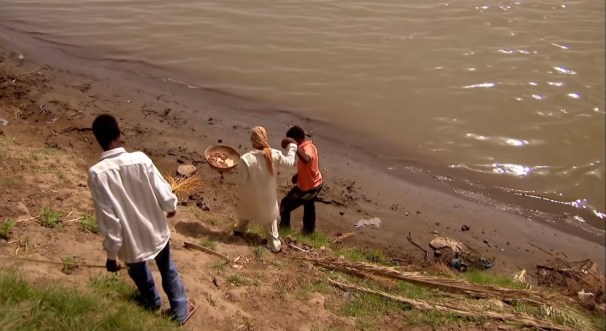
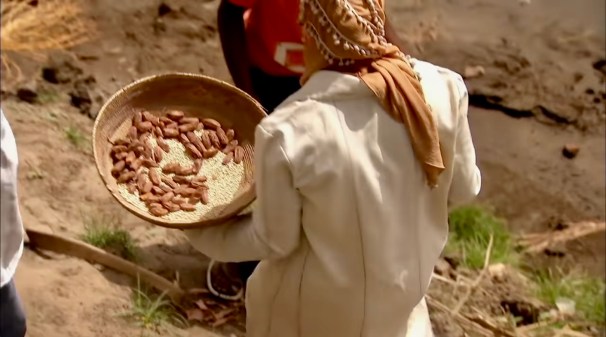
Stepping down to the river’s edge to make offerings of dates and grain, also pictured in title photo.
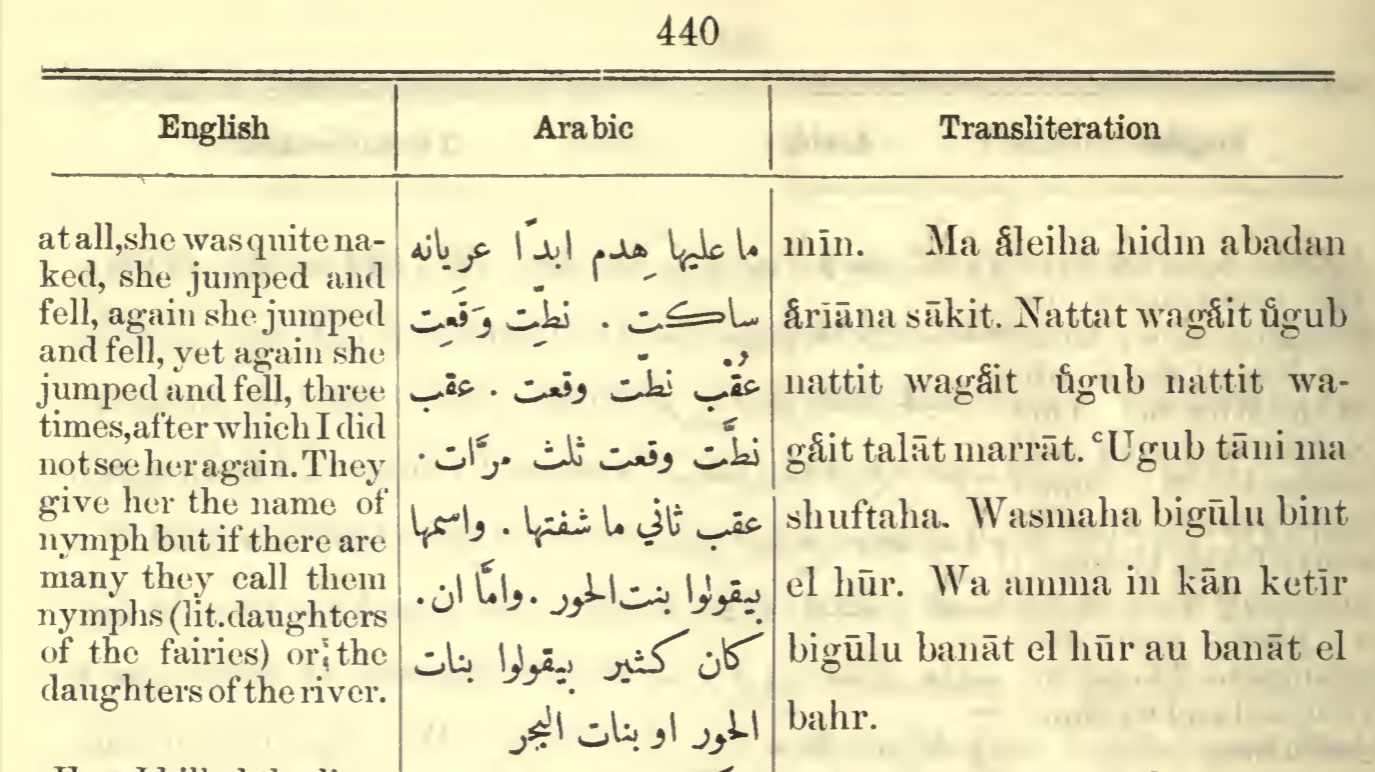
“Stories are told all along the banks of the Nile about the so-called banāt el Hur who are said by those who know to be small and white and to shrivel up when they are taken out of the water.”
“These Good Folk, unlike the Banāt el Hur are invisible to ordinary mortals; We see them not – we cannot hear / The music of their wings – / Yet know we that they sojourn near… “
Angels of The Nile
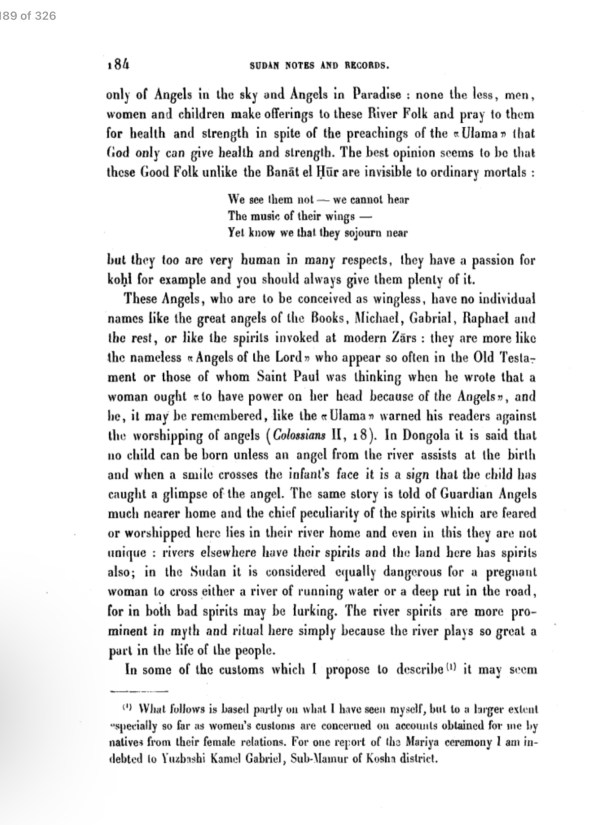
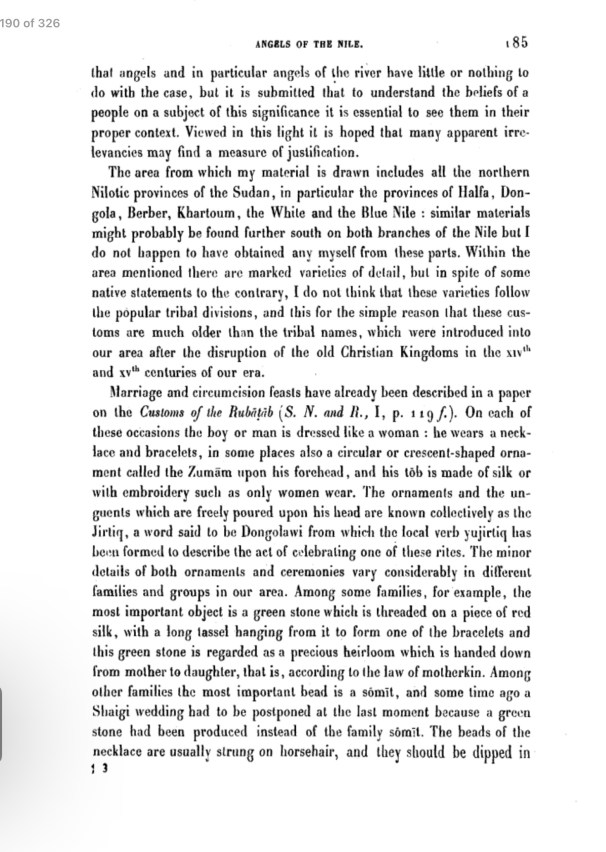
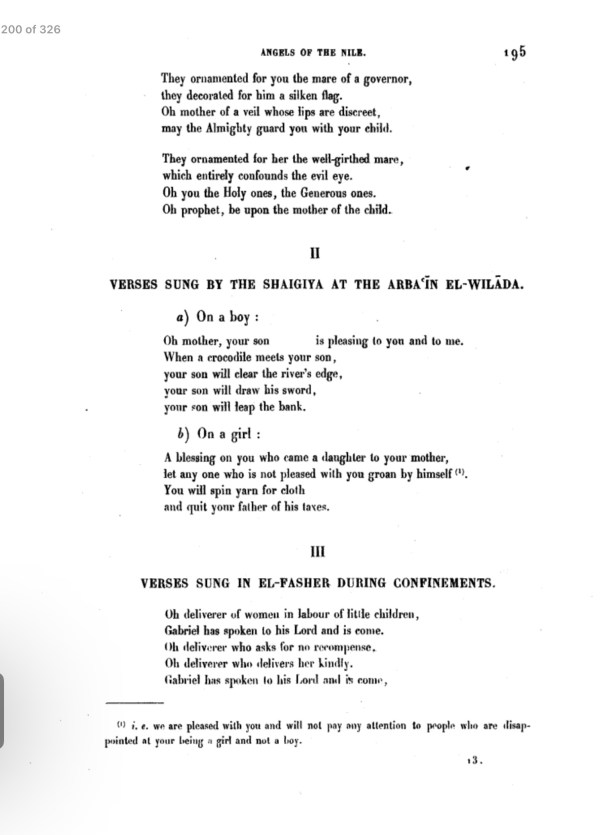
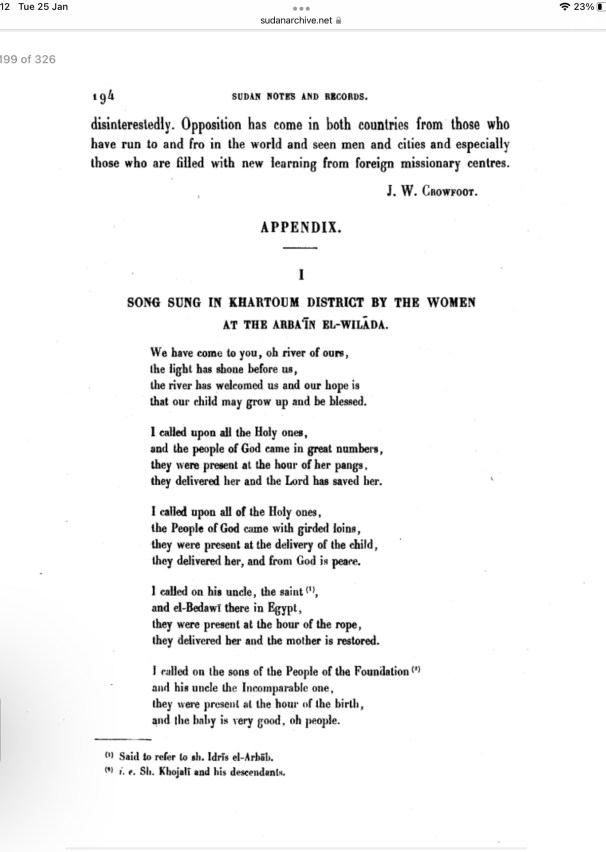
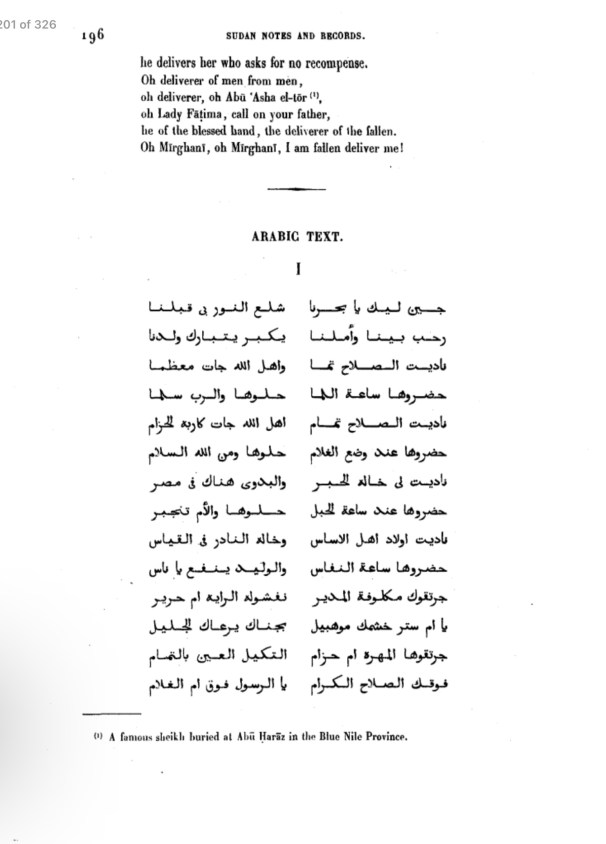
This week I post in full J.W.Crowfoot’s fascinating account of folklore, poetry and rituals dedicated to the myriad spirits believed to dwell in the Nile of northern Sudan and Nubia. Angels of The Nile, published in Sudan Notes and Records, Volume 2, 1919, is made available for open access by the wonderful research resource, Sudan Open Archive.
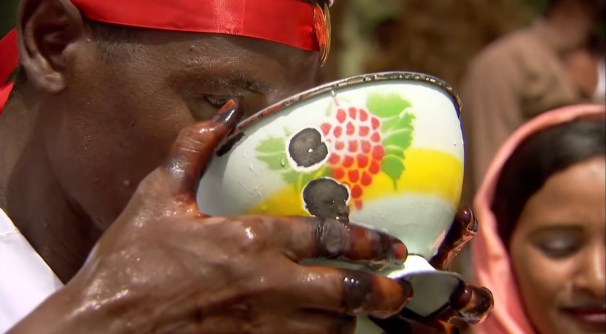
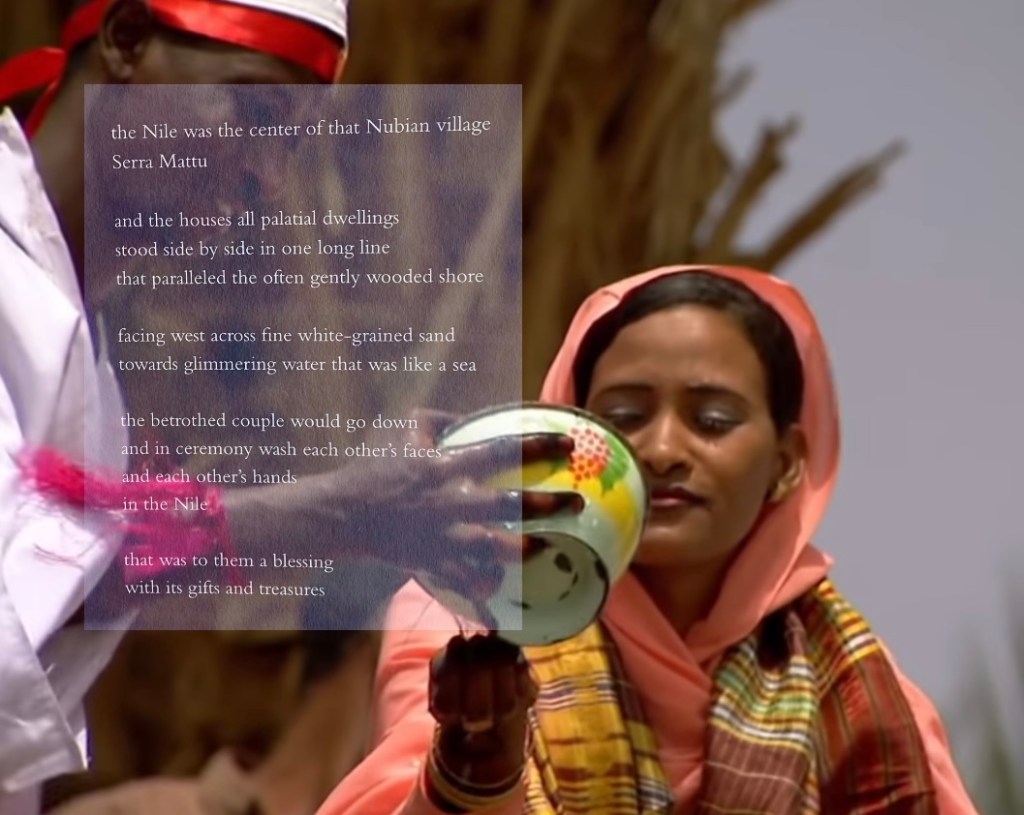
Above, a young bridegroom, drinking water from the Nile on his wedding day, after washing his bride’s face with water scooped from the river.
See more on Nile folklore and rituals in The River of Life.
“it is said that in the days of Abdullahi a fisherman was casting his net into the river and caught a girl about ten years old. He asked her whose daughter she was and she answered, I am a daughter of the River Folk. So he took her to the Khalifa who asked her the same question and how she got into the net. She said, Oh Khalifa, I am a daughter of the River Folk and I had just gone out of my house to chop up a little fire wood when the net swept me up. And when the Khalifa heard that she belonged to the River Folk, he was afraid to take her and after consulting with his advisers they put her into the fisherman’s boat and dropped her back in the river exactly where the White Nile meets the Blue.”
The article gathers accounts of the tender, magical significance of river spirits to be summoned and propitiated upon life’s milestones of marriage, pregnancy and childbirth. Although colonial observers were quick to draw parallels with medieval Christian baptism rites, Crowfoot recognizes these customs are far more ancient and organic to the peoples of the Nile, as Arif Gamal reminds us in his lyrical anthology, Morning in Serra Mattu, A Nubian Ode.
The Nile Is Silk
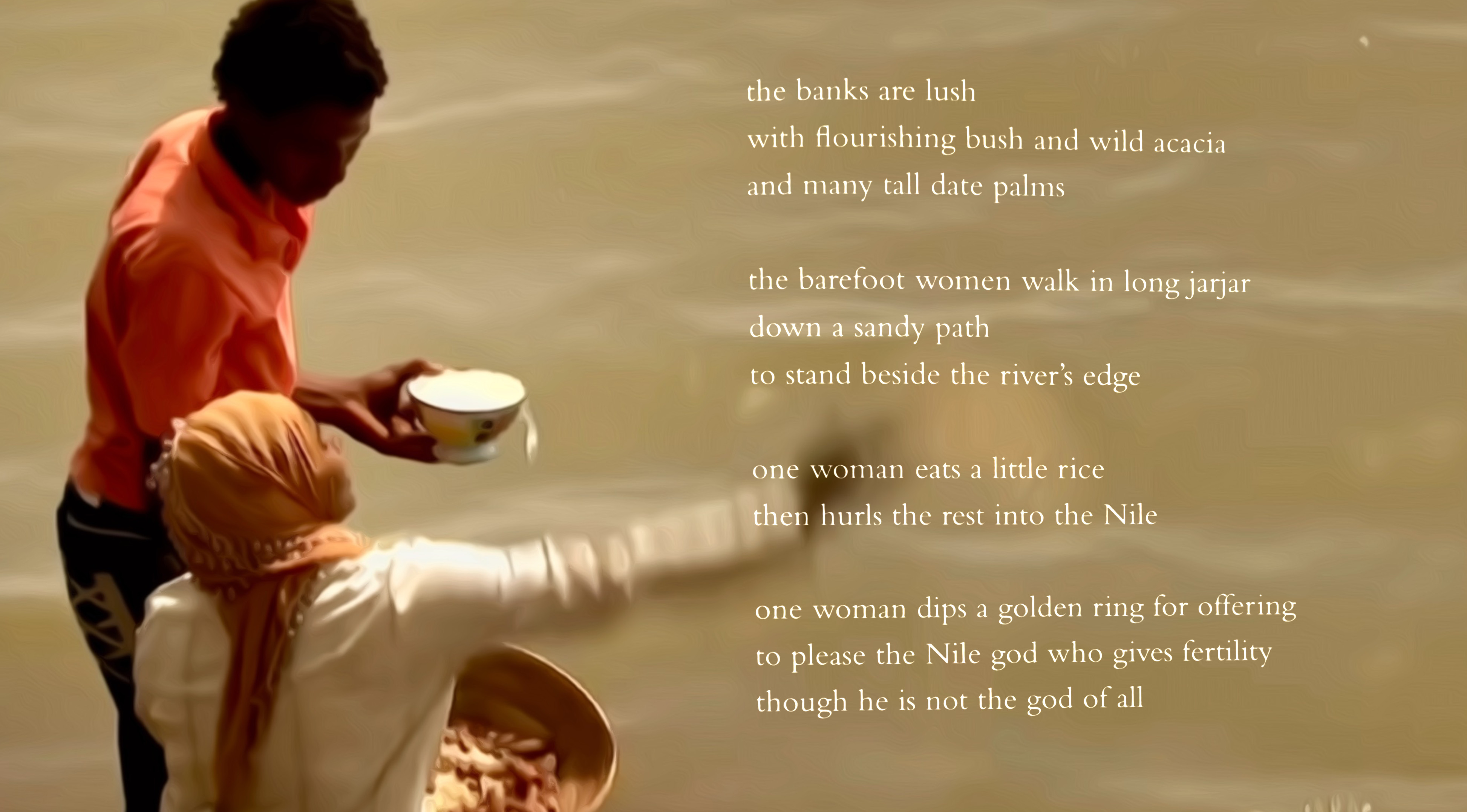
“where ways of Nor are old and deep / from long before the time of pharaohs.
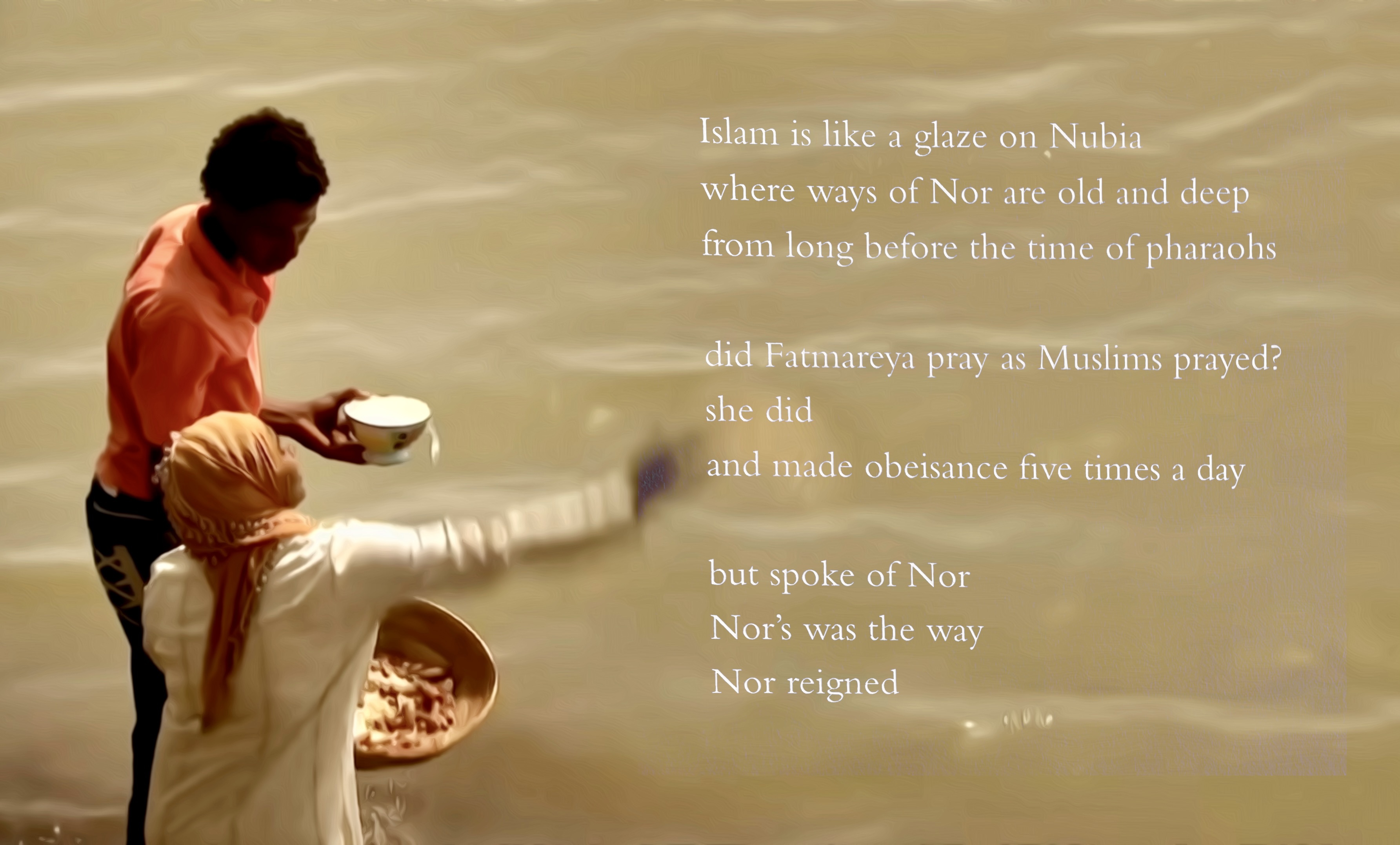
The illustrations in this post, including the backdrop to Arif Gamal’s poem above, are stills taken from the evocatively filmed Joanna Lumley’s Nile: Sudan.

Wash Each Other’s Faces – Arif Gamal
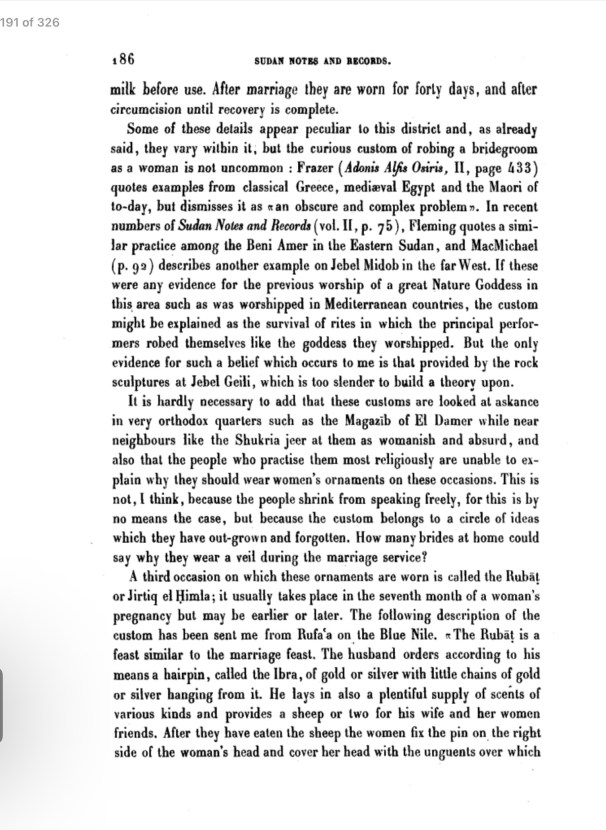
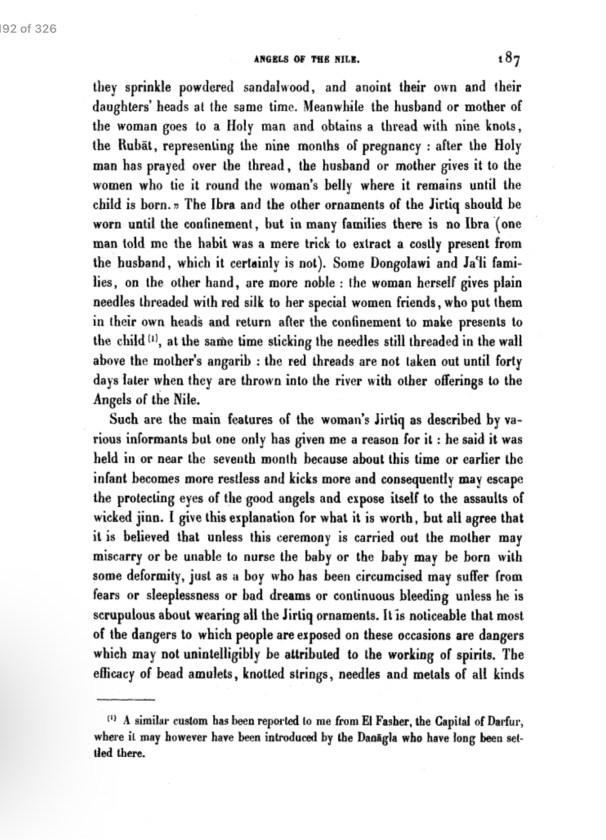
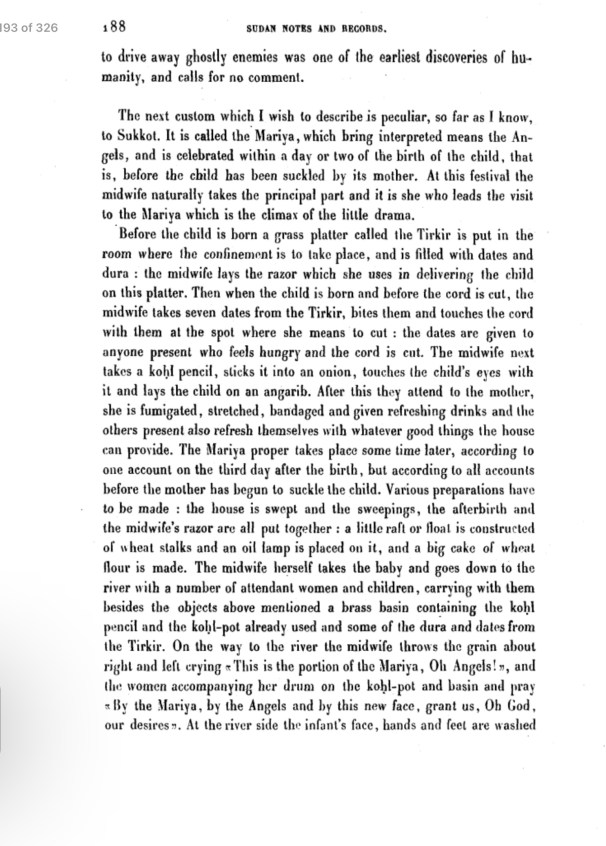
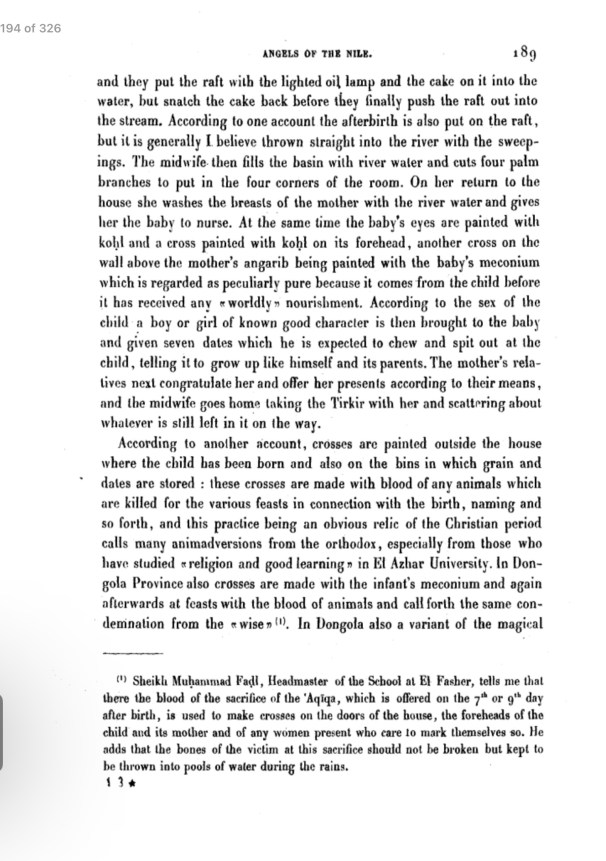
Crowfoot’s article includes detailed accounts of offerings to the Nile, such as the dates pictured below, and jertig and amulet rituals involving the Nile.
Read the article here:

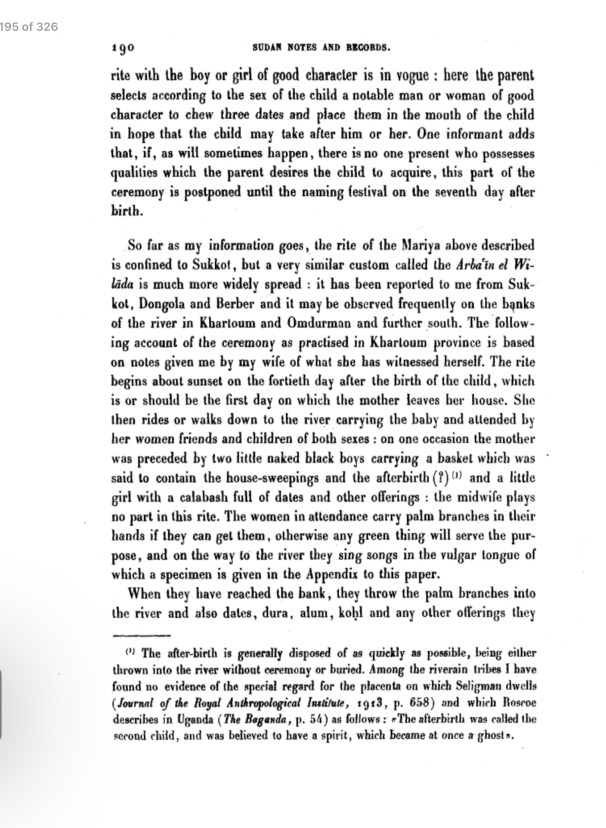
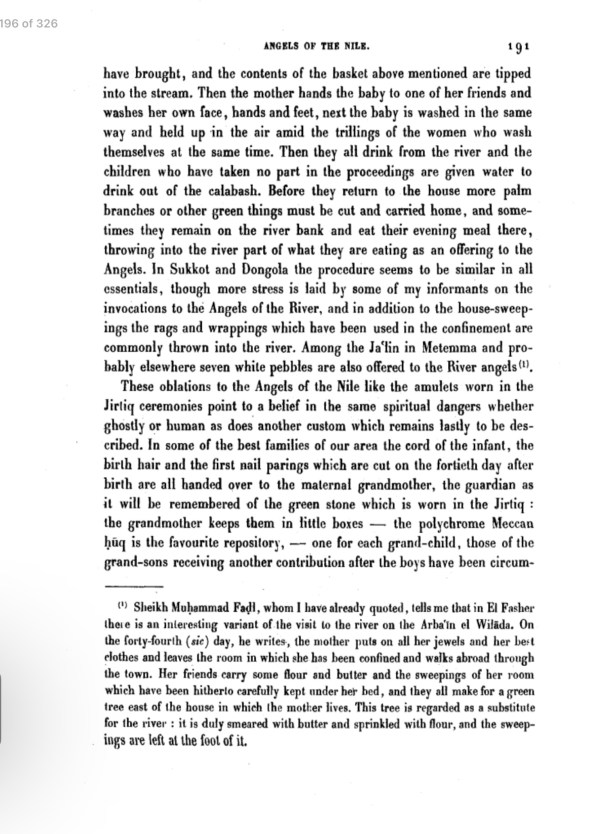
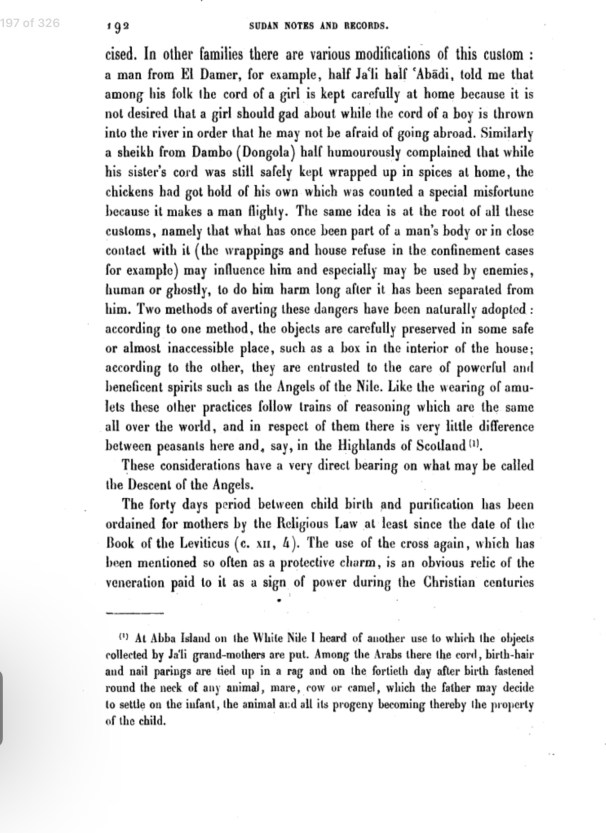
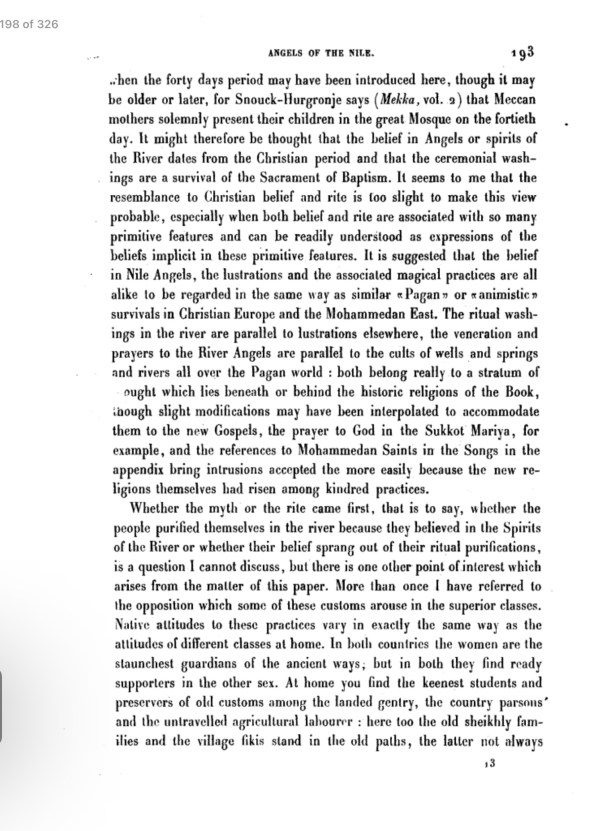
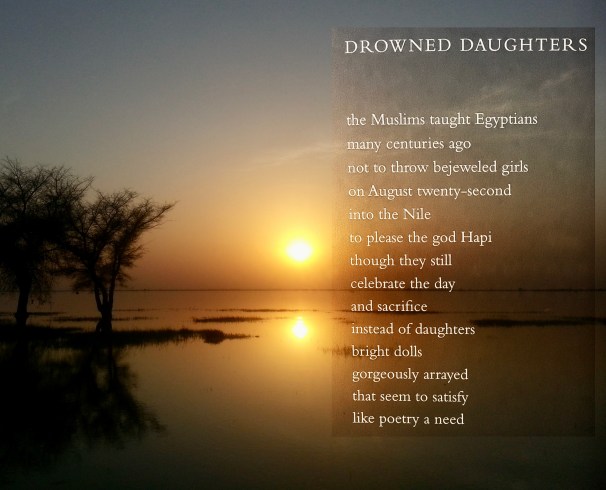
Arif Gamal reminds us too –
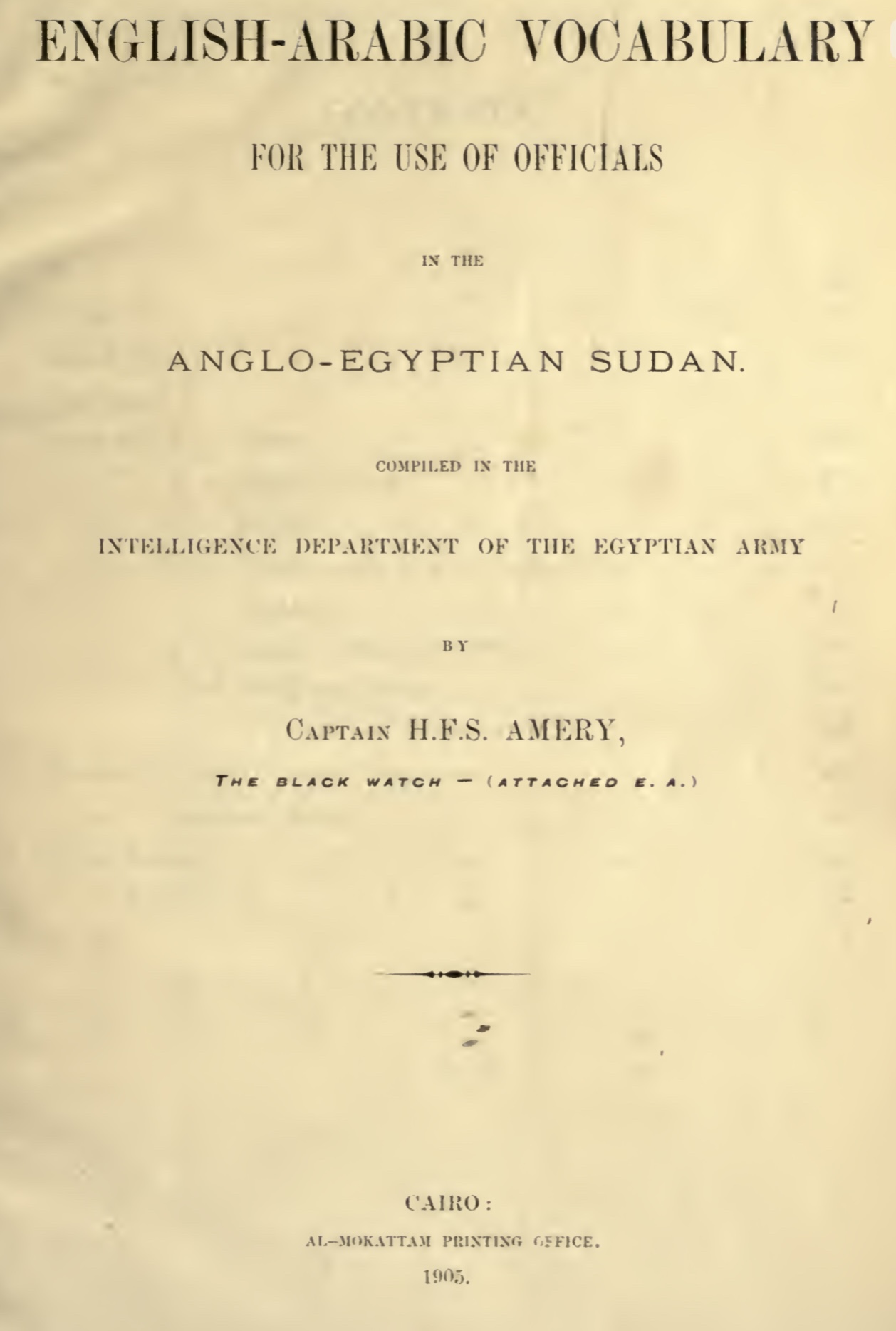
Below, a 1905 account as a Sudanese Arabic language exercise from:


Learn more about our life changing educational work in
Scenes from Our Orphans’ Schooling Programme
See too Community Literacy, Latest News and At a Glance
Below, a literacy and numeracy game at one of our literacy circles, held before the pandemic.

 Women's literacy in Sudan