

International Literacy Day 8th September, 2022
Transforming Learning Spaces
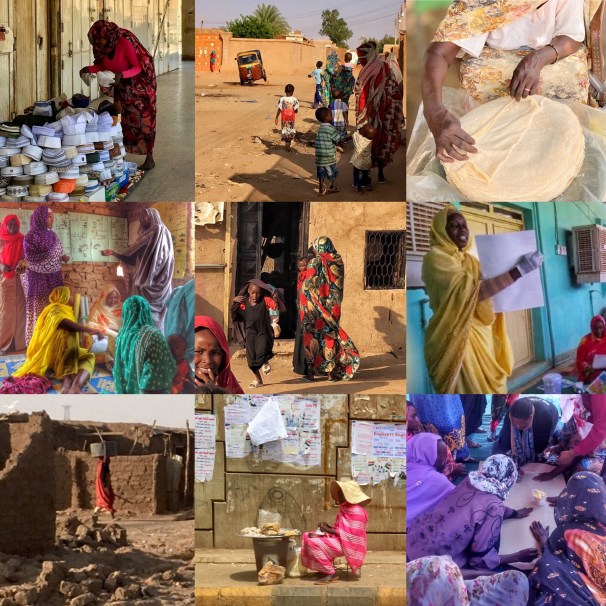
In 2020, there were 771 million illiterate people around the world, two-thirds of whom were women (source; UN)
For literacy programs to have impact, they must be grounded in the realities their participants face every day. This is especially true for countries like Sudan as they battle the educational and economic aftermath of Covid-19. See Covid’s Impact on Women and Girls in Sudan. Above, the working, learning and living spaces typical of so many of our literacy participants.
“In the aftermath of the pandemic, nearly 24 million learners might never return to formal education, out of which, 11 million are projected to be girls and young women. To ensure no one is left behind, we need to enrich and transform the existing learning spaces with a learner-centric approach that enables literacy learning in the perspective of lifelong learning.” This year’s International Literacy Day, Transforming Literacy Learning Spaces explores how this can be achieved. UNESCO Concept Note Transforming Literacy Learning Spaces
Below, UNESCO’s 2022 Poster for International Literacy Day, in English, Arabic and Spanish.
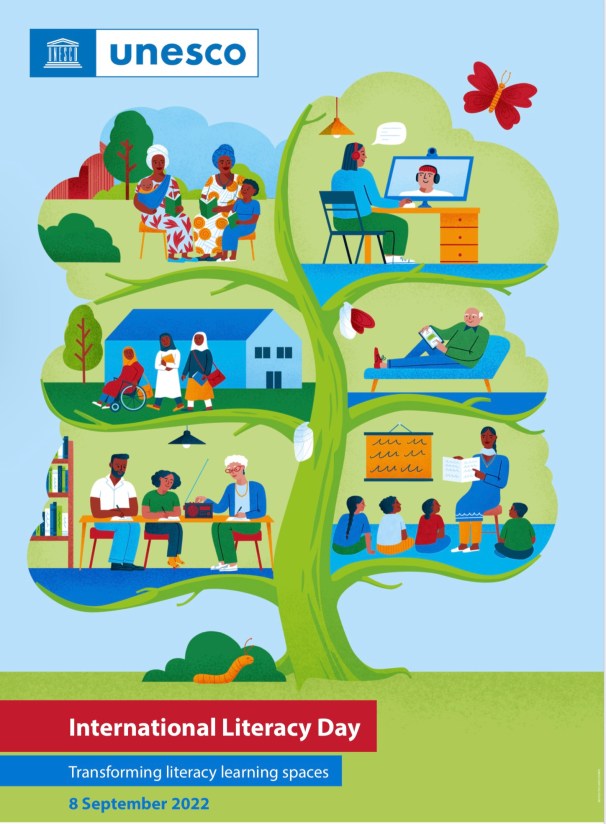


Learn more about this year’s UNESCO’s 2022 International Literacy Day in the brief video below.
UNESCO International Literacy Day 2022 Event
UNESCO Concept Note Transforming Literacy Learning Spaces
Women’s Education Partnership‘s REFLECT literacy program for women is rooted in the needs and aspirations of our learners. We are working, in line with UNESCO’s 2030 development goals, to extend the reach, flexibility and inclusivity of our program and to overcome some of the worst consequences of the pandemic. I will be writing more on how we are doing this later in the month.
Learn more about our literacy program in At a Glance and Opening Doors

Literacy flourishes when women can meet in spaces that allow them to integrate learning into their daily working and family lives and enrich their knowledge and skills. Where young and old can share their experience, wisdom and talents and where mothers can attend with their children.
Our literacy circles are embedded in the communities we serve and are hosted in homes, schools, sheltered open spaces, communal mosques, churches, and meeting rooms built by our participants themselves. These women’s spaces are friendly, inclusive and often evolve into community hubs.
Celebrating a New Literacy Circle

Literacy sessions are held at times which, as far as possible, fit into the working timetables of our participants and seek, not only to diversify their income generating skills but also to develop their citizenship capacities. Citizenship capacities so vital in a world facing a “rise in extreme temperatures, massive loss of biodiversity, automation and recent technological development and the accompanying widening digital divide, pandemic diseases, violent political mobilization, impact of conflicts, forced displacement, democratic backsliding, and backlash against women’s rights, among other harsh realities…..”
UNESCO Concept Note Transforming Literacy Learning Spaces

Above, sharing needlework and numeracy skills and below, making learning spaces their own; wall posters and learning aids.

Below, more scenes from our literacy learning spaces


 Women's literacy in Sudan
Best wishes for a successful International Literacy Day
LikeLike