

The Education Crisis in Sudan
“I am not yet born”
Save The Children places Sudan among the top four countries in the world where “education is at extreme risk”. The number of children out of school has now risen to 9 million from 6.9 million, more than 1 million school-aged children have been displaced and at least 10,400 schools have been closed since fighting started.” This autumn, nineteen million children are waiting for schools to re-open (UNICEF).
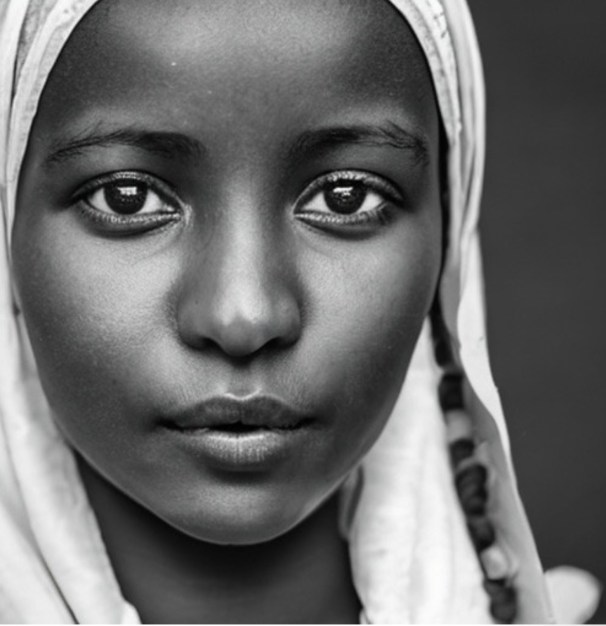
Photo above, faces of hope, copyright Imogen Thurbon.
Below, Sudanese youngsters yearn to return to school:
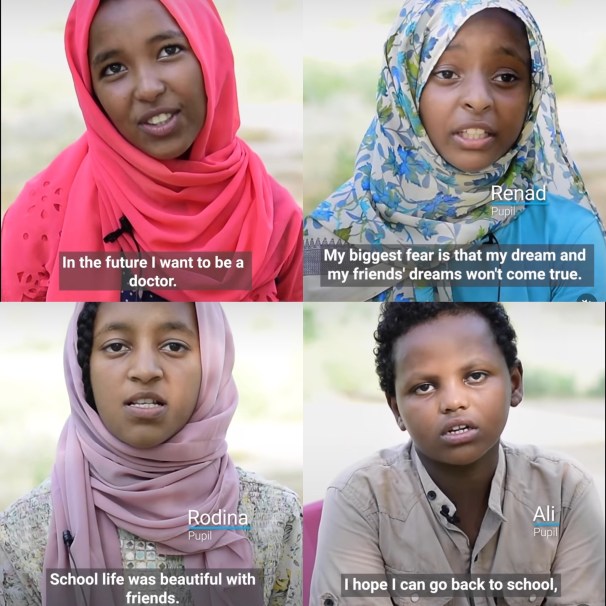
Before the war, Women’s Education Partnership successfully expanded the educational horizons of thousands of young women and girls in Sudan. We earnestly look forward to resuming our work as soon as we can.
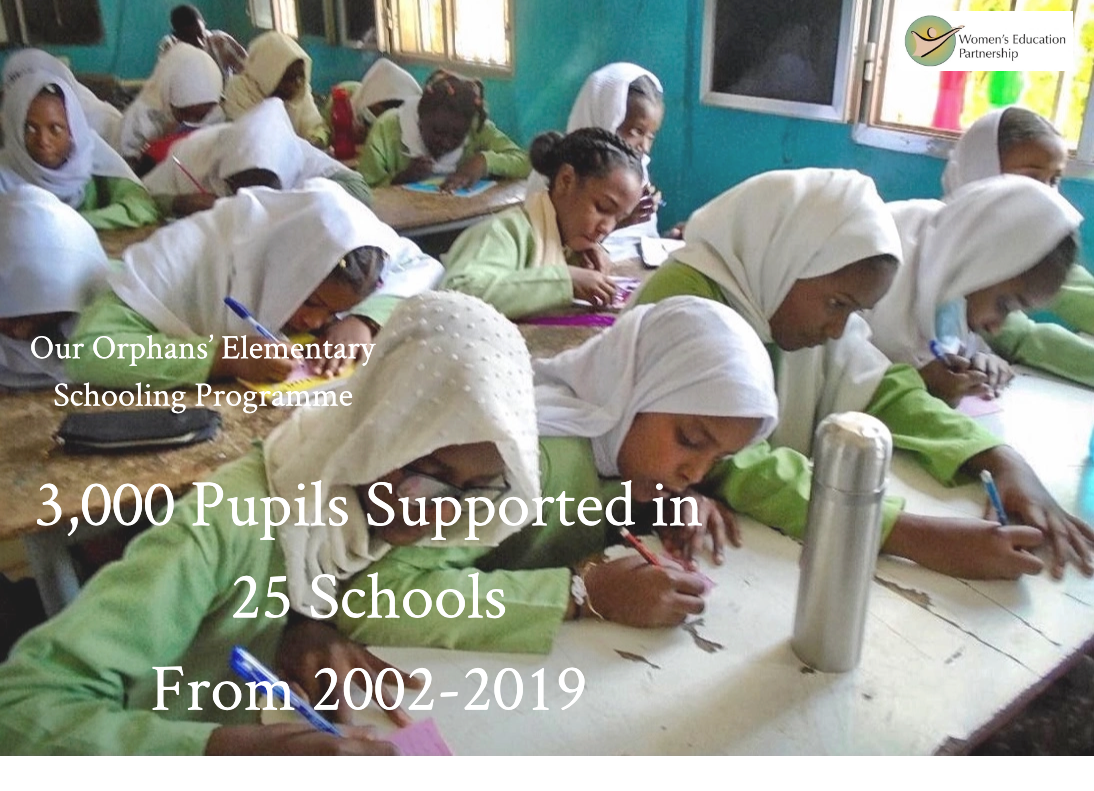

Above, highlights of the orphans’ schooling and university scholarships programmes, Women’s Education Partnership. Learn more about these and our women’s literacy project:
Scenes from Our Orphans’ Schooling Programme Our University Scholarships Opening Doors
The Education Crisis in Sudan
The Most Vulnerable
Challenges to Primary and Secondary School Education
Challenges to Further Education
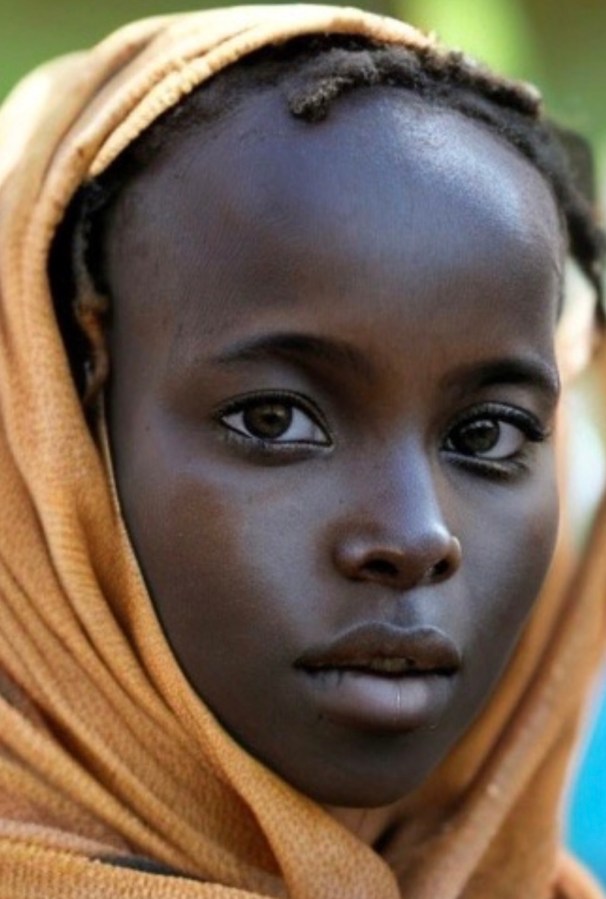
Faces of hope, photo; copyright Imogen Thurbon
The Most Vulnerable
” I am not yet born; O hear me.” Prayer Before Birth
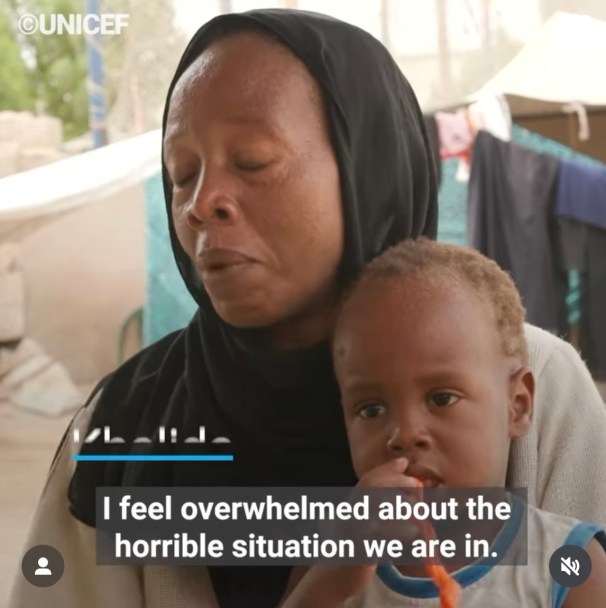
In wartime even the unborn suffer. The violence and stress pregnant women are subject to exact a cruel price on the unborn child’s later physical and cognitive development, often leading to profound psychological and behavioral problems, Five Surprising Ways War Can Harm Children Between October and December this year, 333,000 children will be born in Sudan. They and their mothers need “skilled delivery care. However in country where millions are either trapped in war zones or displaced, and where there are grave shortages of medical supplies, such care is becoming less likely by the day”. Sudanese Children on the Brink of Death
“Nutrition services are equally devastated. Every month 55,000 children require treatment for the most lethal form of malnutrition. And yet in Khartoum less than one in 50 nutrition centres is functional, in West Darfur it’s one in 10. Official casualty numbers put the number of all children killed in fighting in Sudan at 435. Given the utter devastation to the lifesaving services children rely on, UNICEF fears Sudan’s youngest citizens are entering a period of unprecedented mortality. The longer the conflict continues and low funding levels persist, the more devastating the impact. This is the cost of inaction.”
UNICEF
Challenges to Primary and Secondary School Education
” I am not yet born; provide me / With water to dangle me, grass to grow for me…”
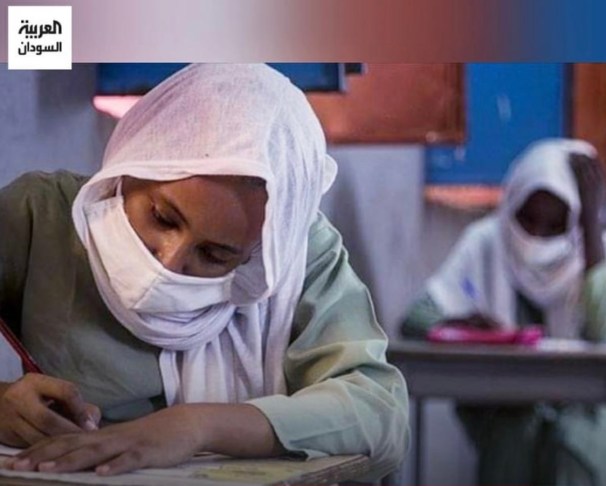
Even before the outbreak of war in mid-April this year, Sudan’s education system was close to collapse, battling the aftermath of the disruption to schooling of both the 2019 revolution and the counter coup of 2021, the school closures of the Covid-19 pandemic, as well as closures caused by the exceptional flooding to hit Sudan two years ago. The education budget, a mere 2% of GDP, was already unravelling, with schools suffering overcrowding, lack of textbooks and intolerable levels of stress among teaching staff. The sector had also been affected by lengthy teaching strikes, the latest of which began just before the outbreak of war. Over 300,000 teachers have not been paid since March.
60% of Sudan’s schools and universities are said to be destroyed (Aljazeera, September 2023).

Today, at least 89 schools premises have been repurposed to accommodate internal refugees and thousands of schools have been damaged and are now unsafe. Many regions have cancelled end-of-term exams.
Attending school has become an unattainable privilege for so many; especially young girls. Poverty, insecurity and enforced displacement are driving ever more parents to consider early marriage for their daughters or “accepting the invitation (or financial inducement) of a third party who promises to meet the child’s needs. Often a child will, in this way, become a labourer, or worse, become trafficked or sexually exploited.” UNICEF also warn that “an alarming number of boys and girls are being recruited to armed groups”. Child soldiers frequently become victims of post-conflict marginalization and psychological trauma and rarely receive the counseling and other professional support they need.
“I haven’t been paid a salary in four months, and I have no idea when I’ll return to work,” said Fatima Mohammed, a displaced teacher who fled Khartoum to Gedaraf state after her school was overtaken by the RSF.”
War Shatters Sudan Education Sector
The UNICEF Learning Passport – its free online and off line e-learning platform for schoolchildren is a small but significant step towards lessening the impact of war on Sudanese children. Some regional authorities are now debating the viability of re-opening some 10,400 schools in safe areas but opposition to the proposal is also strong. Skilled teachers have been killed or have fled abroad. Thus, overall, the situation remains dire.
Above right, in happier times, women teachers attending training at Omdurman Teacher Training Institute, c 1967.
Challenges to Further Education
“I am not yet born; O fill me / with strength against those who would freeze my / humanity ..”.
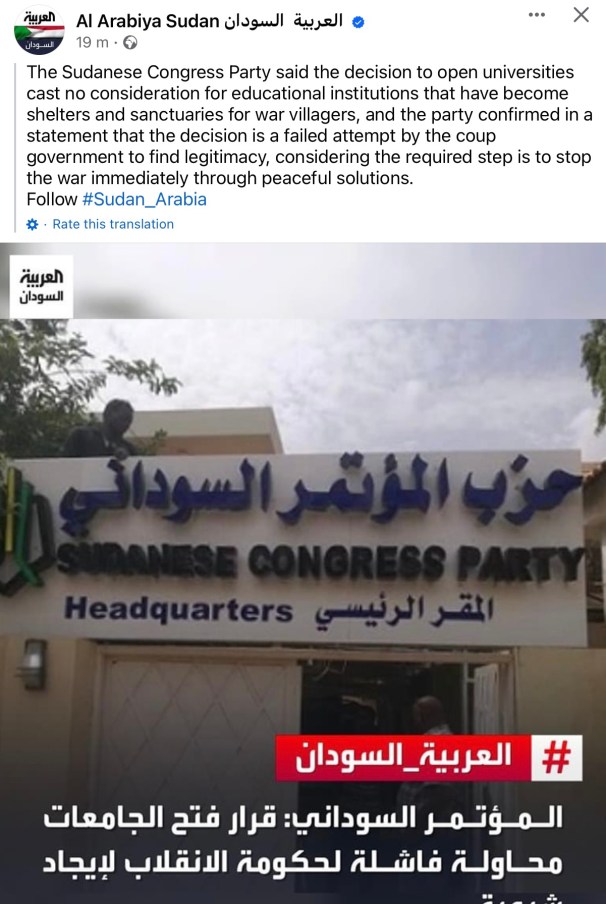
Debates over the re-opening of Sudanese universities centre around issues that are both complex and controversial. For some, any re-opening of universities while the war continues is unacceptable, as Al-Arabiya reports above. Below, Aljazeera powerfully distills the issues facing higher education in this 1.5 minute English language video:
The cost of damages to Sudan’s higher education sector is estimated at three billion dollars (Aljazeera)

On 14th August this year all universities were ordered to close and academic activities suspended indefinitely. It is believed that over a hundred universities and research institutions have been damaged as a result of shelling. Dr Abdelillah Douda from war-torn Darfur is on record as saying it will take years to rebuild the University of Geneina. Many have also been vandalized, looted or set on fire. The entire further education provision of the capital has been rendered effectively defunct. The loss of archives is incalculable. Tragically, the property and homes of faculty members and workers have also been “systematically targeted”. University World News Africa Sudan’s War Disrupts Universities War Shatters Sudan Education Sector
See The Education of a Generation at Stake for firsthand accounts.
Even before the war, universities were contending with massive underfunding, student unrest, fees hikes and the brain drain of leading intellectuals. Since the outbreak of war, undergraduates have been forced to abandon their studies and find unskilled work. A lucky few have been able to pursue their academic courses in Egypt, where it is said 60% of Sudan’s undergraduates could be absorbed. Sadly, those fleeing to Chad do not have that option. Many more do not have a passport. The longer the war continues, the bleaker Sudan’s economic future, as the country comes to terms with “an acute shortage of skilled workers” while the qualified flee and none are being trained to take their place.
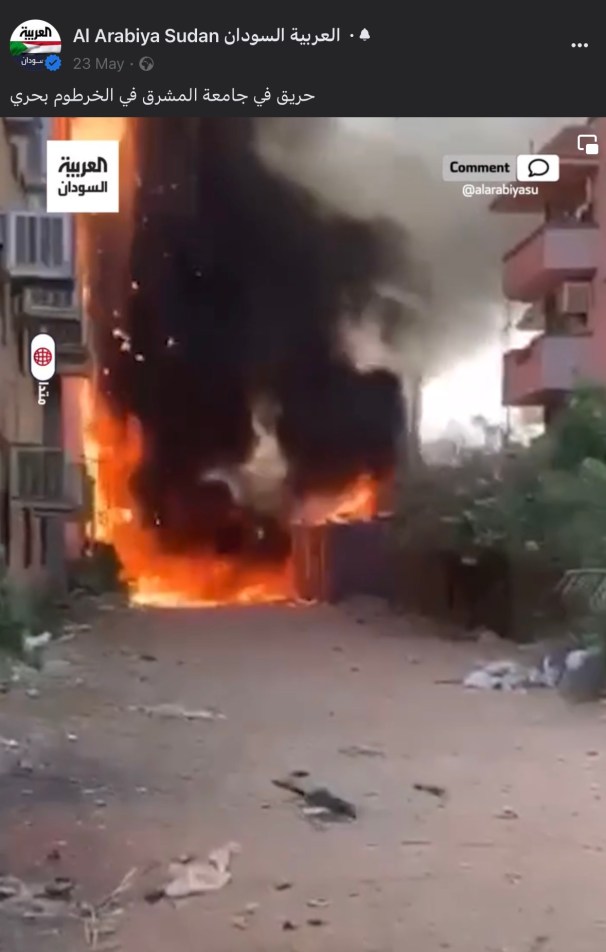
Despite the unimaginable pressures on the sector and its workers’ own personal tragedies, Sudanese university staff are seeking to forge agreements with foreign universities to enable Sudanese undergraduates to continue their studies. They are also actively exploring how virtual and e-learning platforms can be implemented in the context of constant interruption to power and internet services and a shortage of trained distance learning facilitators. In East Darfur and the Red Sea region, negotiations are underway to re-open selected universities. Right, university building ablaze in Khartoum, Al-Arabiya Sudan.
At Women’s Education Partnership, we are in constant touch with the universities and the sponsored scholars we work with and are ready to support their return to normal academic life in any way they feel best in these terrible circumstances.

Faces of hope, photo, copyright, Imogen Thurbon
Sources of interest:
University World News Africa Sudan’s War Disrupts Universities
 Women's literacy in Sudan