

Selected Cultural Posts 2023-4
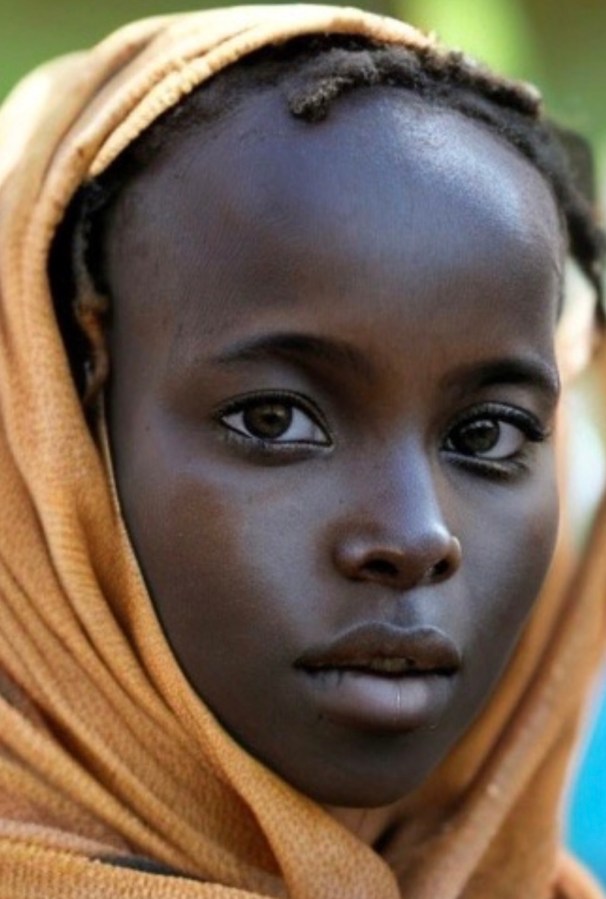
This February the conflict engulfing Sudan enters its tenth month. In the face of ceaseless destruction and brutality, it is profoundly consoling to remember that the unique beauty of Sudanese life endures.
Photograph above, Imogen Thurbon
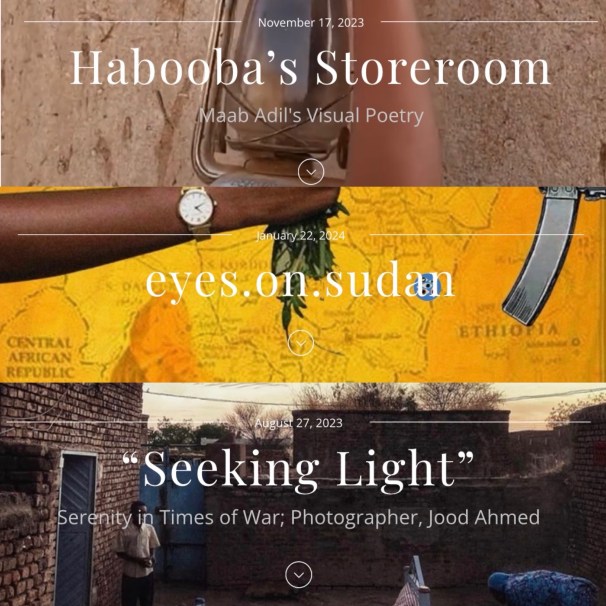
Maab Adil’s vignettes of everyday life in northern Sudan; Habooba’s Storeroom capture the timeless continuity of rural life in times of war. In “Seeking Light”, photographer Jood Ahmed offers us treasured moments of normality and calm. The collages of Amanda Abdel Aziz, architect and visual artist, juxtapose iconic images of Sudanese culture with those evoking the shock and pain of war and exile.
Readers interested in the Sudan as seen by colonial and contemporary non-Sudanese observers might enjoy
Memories of Omdurman Postcards from Khartoum and Omdurman
Another Khartoum Another Khartoum Part 2

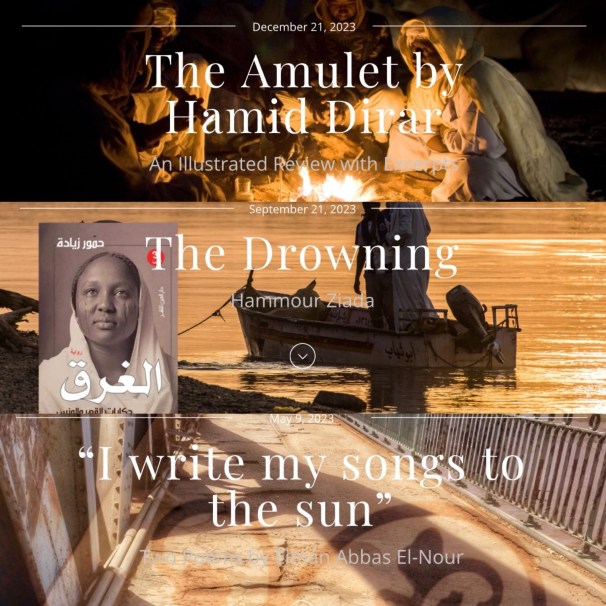
Literary life and the power of literary expression offer an antidote to brutality.The Amulet by Hamid Dirar recreates the nomadic childhood of the late scientist and expert in Sudanese fermented foods, Hamid Dirar at a time of profound political and cultural change in Sudan.
Both The Amulet and novelist Hammour Ziada’s The Drowning are gripping tales. They also offer prescient warnings about the fragility of democracy. “I write my songs to the sun” reproduces two poignant poems composed upon the outbreak of war last April.
The perspectives and visions of a young, vibrant generation of Sudanese film makers continue to be valued and celebrated on the world stage. Heroic Bodies traces Sudanese women’s struggle for increased agency and autonomy from colonial times to the present day, with groundbreaking interviews with leading figures in Sudanese women’s political and cultural life.
Brick of Life gives voice to the women who support their families by working in the brick kilns of Darfur and The Vulnerable Soul celebrates the early, powerful and controversial works of the award-winning director of Goodbye Julia, Mo Kordofani.

If you are interested in Sudanese jewelry, then you might enjoy Cowries in Sudan Part 1. Conserving Sudan’s Timeless Treasures Part 1 is dedicated to the exquisite craftsmanship of jewelry designer Nisreen Kuku. You can learn more about the challenges she has faced since the outbreak of war and her artistic legacy in In Conversation with Nisreen Kuku.

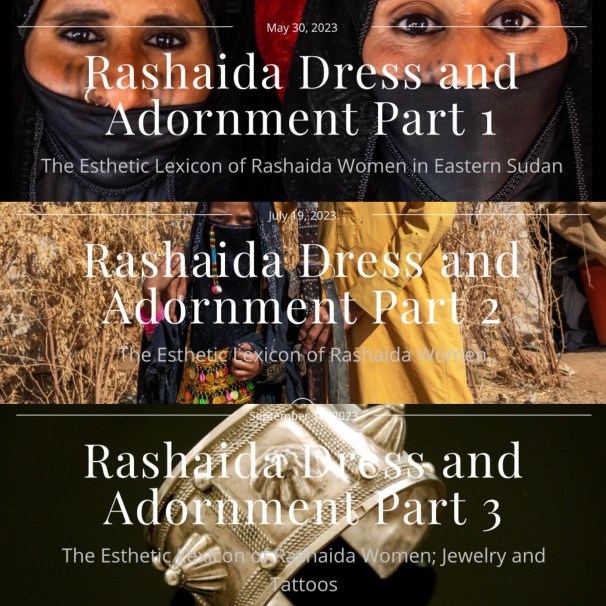
See too the remarkable and little celebrated world of Rashaida dress and adornment in
Rashaida Dress and Adornment Part 1. Rashaida Dress and Adornment Part 2
Rashaida Dress and Adornment Part 3
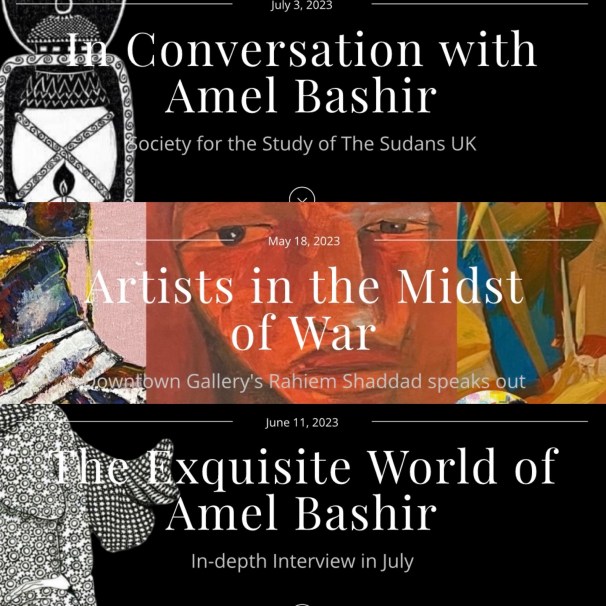
Amel Bashir is a gifted artist and illustrator. Her work is characterized by a unique, monochrome pen and ink palette, and graceful and disquieting subject matter. Discover her work in The Exquisite World of Amel Bashir . You can also read an in-depth interview with Amel, first published in the journal of the Sudan Studies Society, in In Conversation with Amel Bashir.
Rahiem Shaddad, director of the Downtown Gallery, Khartoum, talks movingly of the impact of the war on artistic life in Sudan, his initiative to support Sudanese artists during wartime and the challenges facing those who had had to flee their homes as they battle to sustain their artistic careers.
Omeima Mudawi-Rowlings is British Sudanese artist and advocate for those with disabilities. Her stunning works, embracing textiles, glass, music and drama are rich in symbolism and draw on Sudanese and Arab motifs. Get a taste of her work in Omeima Mudawi-Rowlings.
The late Saadia Al-Salahi was a pioneer Sudanese costume and textile designer, whose impact on Sudanese culture and its preservation was profound. Rashid Mahdi‘s groundbreaking photography captured moments of great change in Sudan, tracing the birth of labour movements and resistance to colonial rule. His portraits of Sudanese from all walks of life are warm, finely executed and invaluable historical documents.
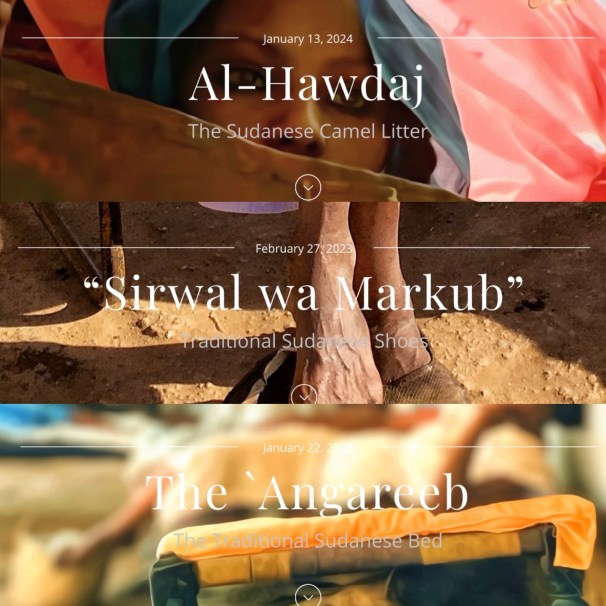
Among last year’s cultural posts were several dedicated to Sudanese craftsmanship, furniture, food, ecology and astronomy. The Hawdaj celebrates the beauty and practicality of the richly adorned camel litters of nomadic Sudanese women and children. The angareeb is the traditional Sudanese wood – framed, rope-strung bed. It is both iconic and versatile, serving as bed, bench, shelf and bier and has inspired numerous sayings and proverbs.
Learn about the elegance and craftsmanship of traditional Sudanese footwear in “Sirwal wa Markub”.
See too celebrations of gum arabic, the Sudanese baobab tree and the mythology surrounding the constellation we know as The Big Dipper. See “Melted Amber”; Gum Arabic in SudanThe Baobabs of Sudan Part 1 The Mourning Maidens

Learn about the fascinating role of fermentation in Sudanese cuisine and nutrition in
Sudanese Fermented Foods Part 1 Feseekh/Fessiekh
Sudanese Fermented Foods Part 2 Kisra

If you have enjoyed any of the articles above, why not dip into some of these below?
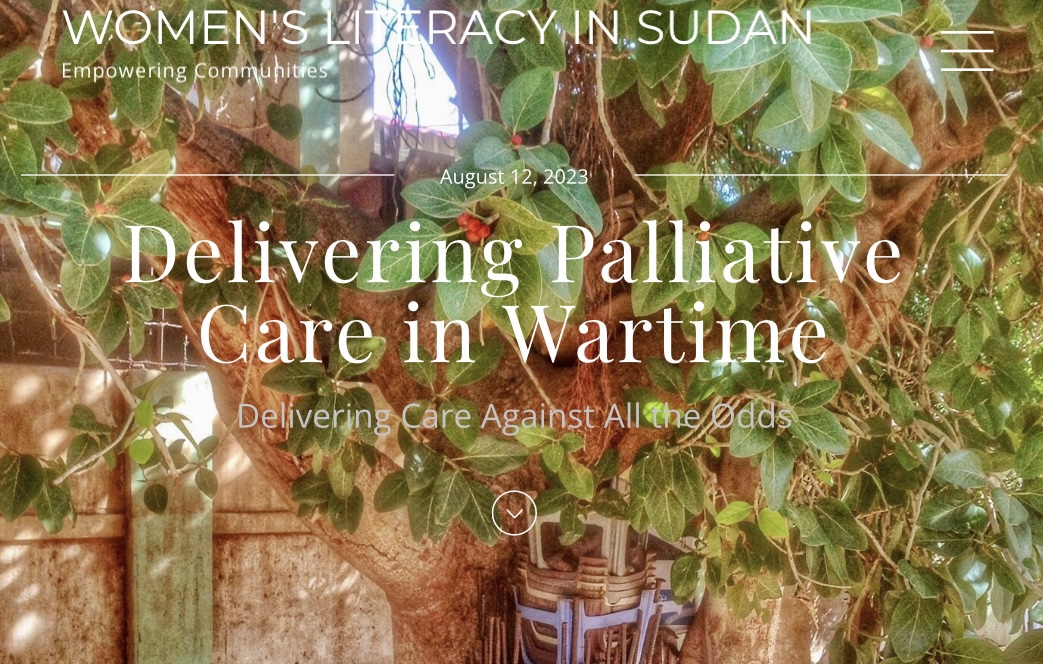
Delivering Palliative Care in Wartime
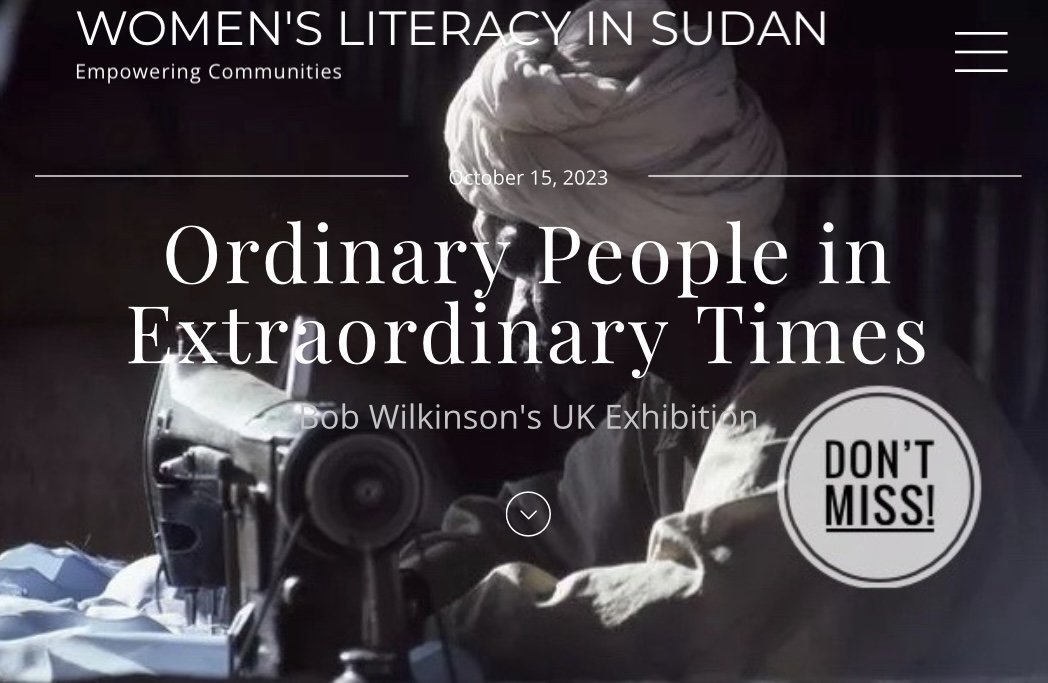
Ordinary People in Extraordinary Times

 Women's literacy in Sudan