

The Shabat Brewer – A Cautionary Tale?
A Sudanese Nubian Folktale
Stories of Serra East, Jamal Mohamed Ahmed
With background on Sudan’s traditional digestive festive drink, sharboat, شربوت

From Stories of Serra East, Khartoum University Press, 1985, with striking illustrations by S.Mohamoun, evoking Nubian folklore, mythology and traditional motifs used for house decoration. Above, illustration from the folktale Moony Face and Sunny Face included in the collection.
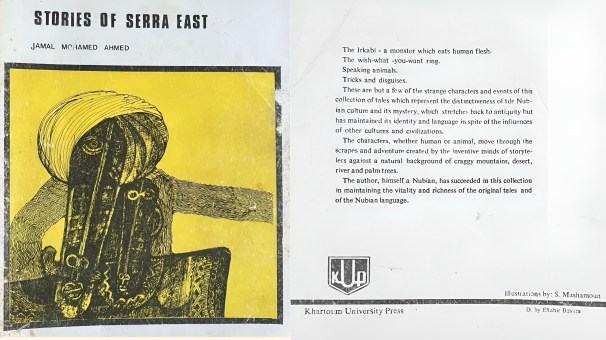
Above, Stories of Serra East.
If you enjoy Sudanese folktales, you might like Jiraida, The Son of the Sultan and Hassan and the Fishes
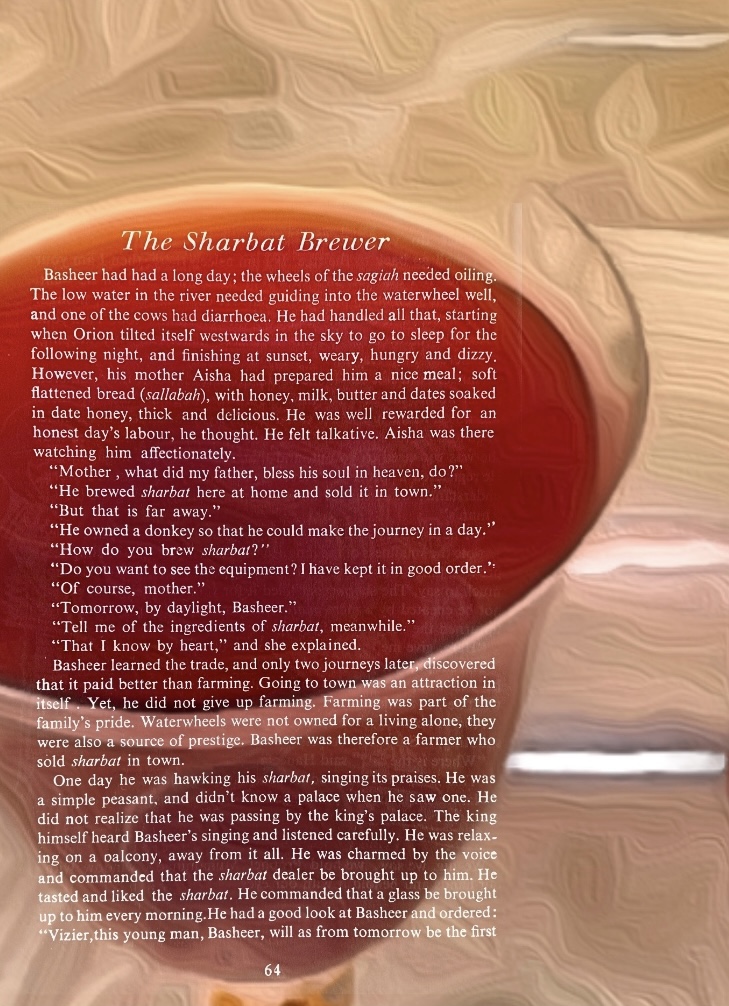
Basheer had had a long day: the wheels of the sagiah needed oiling. The low water in the river needed guiding into the waterwheel well, and one of the cows had diarrhoea. He had handled all that, starting when Orion tilted itself westwards in the sky to go to sleep for the following night, and finishing at sunset, weary, hungry and dizzy. However, his mother Aisha had prepared him a nice meal; soft flattened bread (sallabah), with honey, milk, butter and dates soaked in date honey, thick and delicious. He was well rewarded for an honest day’s labour, he thought. He felt talkative. Aisha was there watching him affectionately. “Mother, what did my father, bless his soul in heaven, do?”
Stories of Serra East
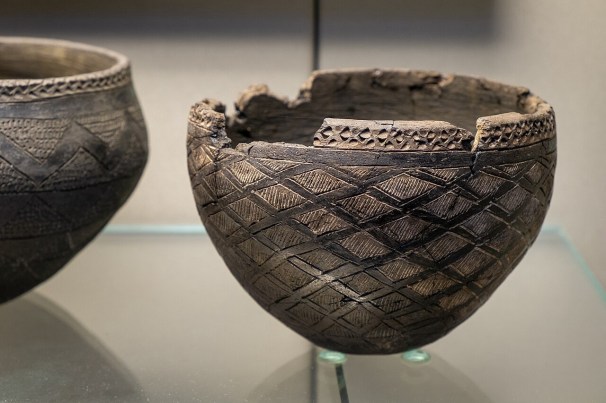
This delightful collection of Nubian folktales celebrates the unique cultural and historical heritage of Nubia and the Nubian tongue. On the Nubian language, the Introduction notes; “Nubian does not easily lend itself to transmission to other languages. At times it just does. Farran Dagash for instance. The nearest approach to it is perhaps ‘it is not worth it’, but this sounds too weak to reflect the strong tone of the original expression. It is a shorthand word for dismissing a thought or act as futile.” Above right, pottery of the C-Group people, 2300-1600 BCE, Faras, British Museum, Wikicommons.
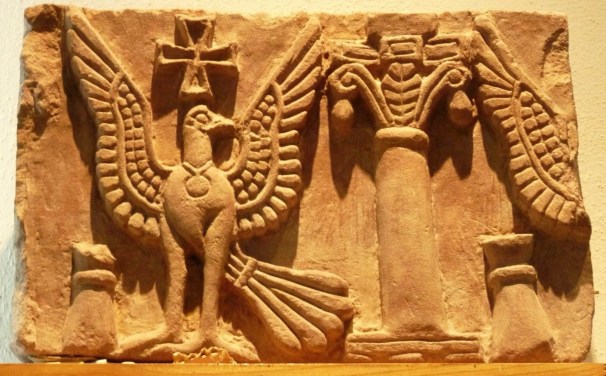
Capturing the magic of the tales, Jamal Mohamed Ahmed says: “The stories invite a lot of comment, yet, they are no more more less than tales told in the long winter nights of Serra, or in its luminous invigorating summer nights, too breezy, too fresh to waste in slumber. Time had to be beguiled and weary souls entertained. Those who had admired the temples, the churches, the fortresses, the statues, the steles, the paintings, the engravings and the icons unearthed from the Nubian sands, may find in these stories what no object can tell us: the passions that had created them. All had been spent, and only the mystery remains. These stories represent the mystery.” Above left, fragment of frieze with birds, Faras, National Museum, Warsaw, WIkicommons.
In the early 1960s, the Oriental Nubian Expedition excavated cemeteries, the ancient fortress, and the late Christian town of Serra East in northern Sudan, See Excavations at Serra East,
Sharboat
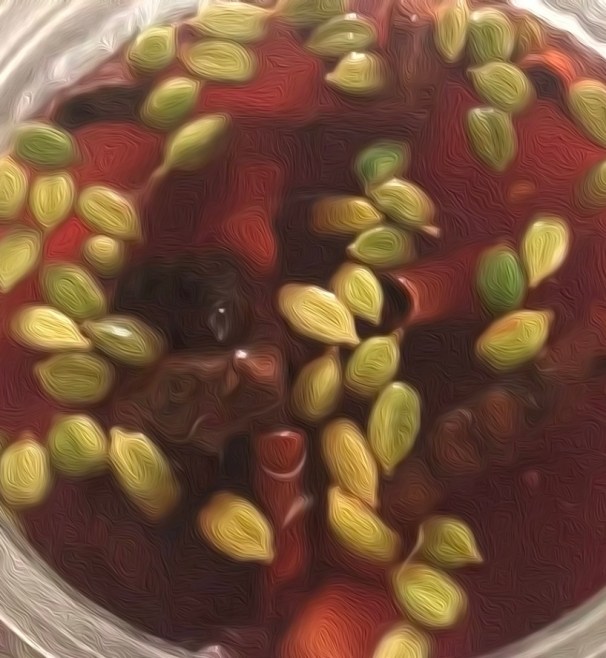
Above, sharbat / sharboat ingredients. While recipes often differ from family to family, cardamon, cinnamon, hibiscus (often added to enrich the colour of the mixture), fenugreek, galangal root and other spices such as tamarind and ginger (for tanginess and acidity) are often used. Sometimes raisins are also added.
If you are interested in Sudanese fermented foods, you might enjoy Sudanese Fermented Foods Part 1 Feseekh/Fessiekh and Sudanese Fermented Foods Part 2 Kisra.
Sharboat is one of several lightly fermented, refreshing non-alcoholic drinks popular in Sudan, such as assaliya and gadugadu. Like the now fashionable kombucha, the consumption of versions of this northern Sudanese beverage is believed to be centuries old, While usually made from dates, regional variations based on sorghum, ground sesame seeds and hibiscus are also common, Sharbot – Sudan’s “Almost Wine”, The Shamboat: Sudan’s Qurban Bairam Appetizing, Digestion Moderating Soft Drink and Traditional Sudanese Foods, Edited by Abdalbasit Mariod.
The beverage is typically served at Eid Al Adha, jirtig wedding celebrations and to accompany the sacrifice of an animal upon the birth of a child. Many consider it the beverage of preference to accompany fried fish. “Two days before the Eid, housewives soak dates thoroughly in a water trough after the dates have been thoroughly washed to remove dust and other impurities….Sudanese families now tend to add guava, grapes, Pepsi, hibiscus and other products to the date sharboat to give a more pleasant taste.” The Shamboat: Sudan’s Qurban Bairam Appetizing, Digestion Moderating Soft Drink
The drink is high in fibre and rich in vitamins and minerals such as calcium, iron, phosphorus and potassium. Many believe sharboat aids digestion especially after eating large amounts of meat, leading to its special status in Eid celebrations. “During greetings in Eid and after the banquet, the hosts offer sharbot to their guests so that they can taste their brew. The guests even arrive at the banquet carrying their own homemade versions of the brew, mostly showing off their own work. Recently this ‘bragging’ of sorts has also reached social networking sites by documenting the stages of its preparation, stating the ingredients they used, and each person inviting their friends to come taste the sharbot they have prepared in their home” (as above).
After cleaning and soaking in boiling water, the pitted dried or fresh dates are typically strained and spices added. It is said that yeast is often added immediately after straining and the mixture is chilled to “maintain the required degree of fermentation for the brew”. Commenting on reservations voiced on its permissibility because of its potential alcohol content, Sudanow quotes Sheikh, Dr. Mustafa Hasabu of Islamic Shari’a, explaining that “if the dates are cooked briefly without the addition of alcohol content, there is no problem in that. But if the beer yeasts are added and the drink becomes intoxicating, here it becomes haram (sinful).” Dr. Hasabu advised “housewives to make sure the sharboat is not fermented too much or with yeast.” Leaving the mixture to mature for no more than two days is thought to guarantee its wholesomeness. See a very easy to follow sharboat recipe here (Arabic audio): how to make the sudanese drink sharbot / طريقة عمل المشروب السودانى الشربوت
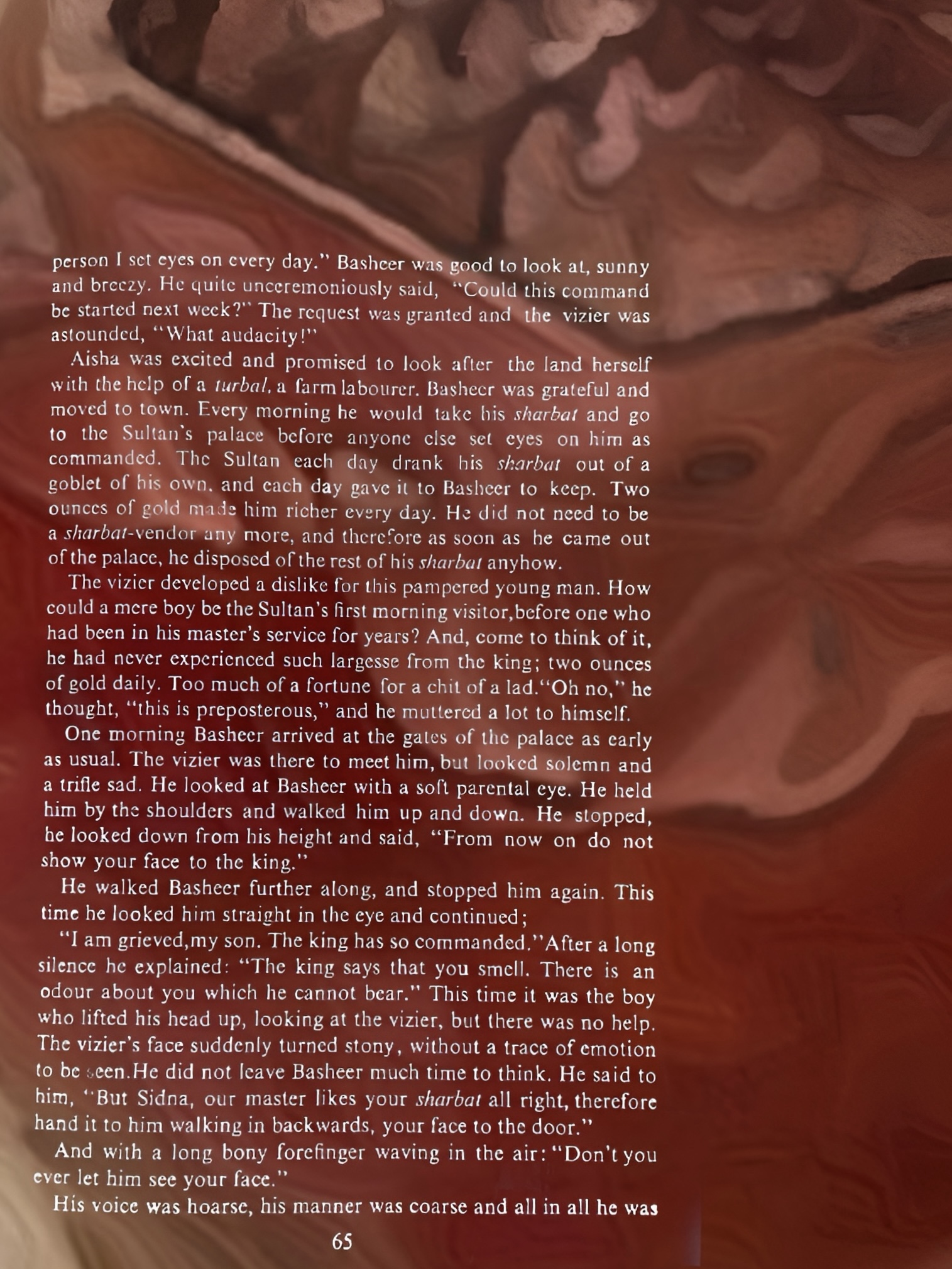
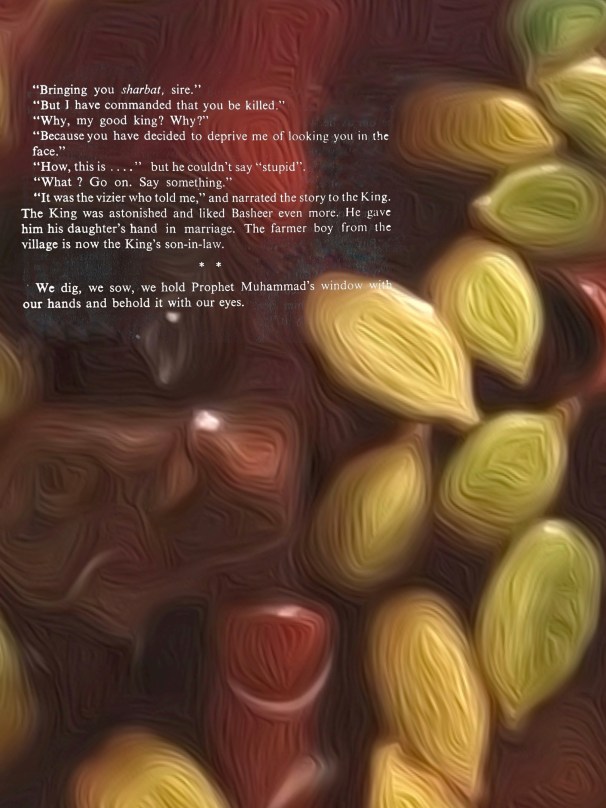
The Sharbat Brewer from Stories of Serra East, pp 64-68.
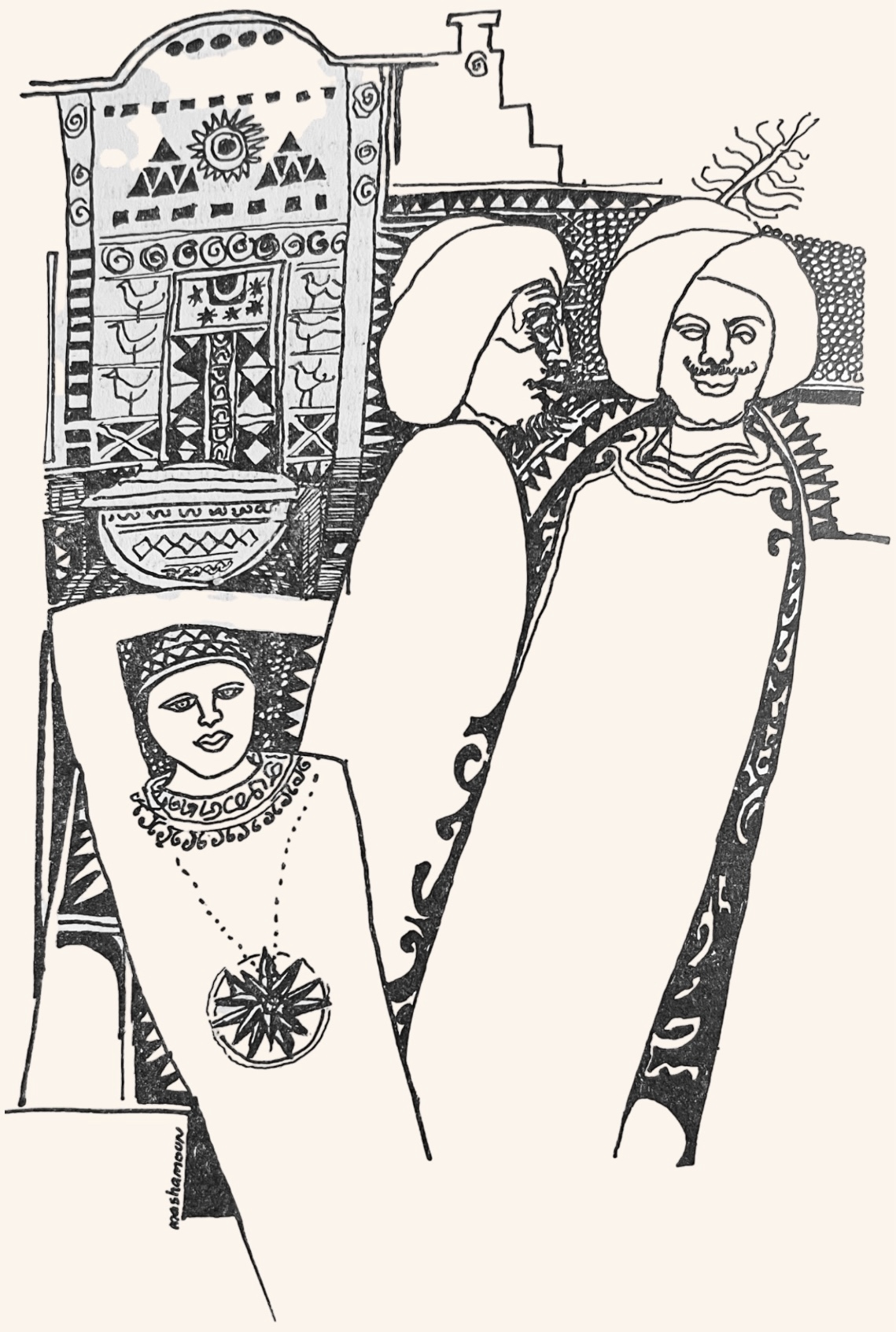
Above, illustration from The Sharbat Brewer.

If you enjoy Sudanese folktales, you might like Jiraida, The Son of the Sultan and Hassan and the Fishes
 Women's literacy in Sudan