

Hassan and the FIshes – A Cautionary Tale
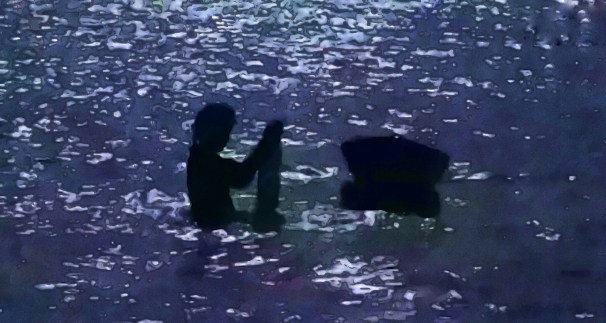
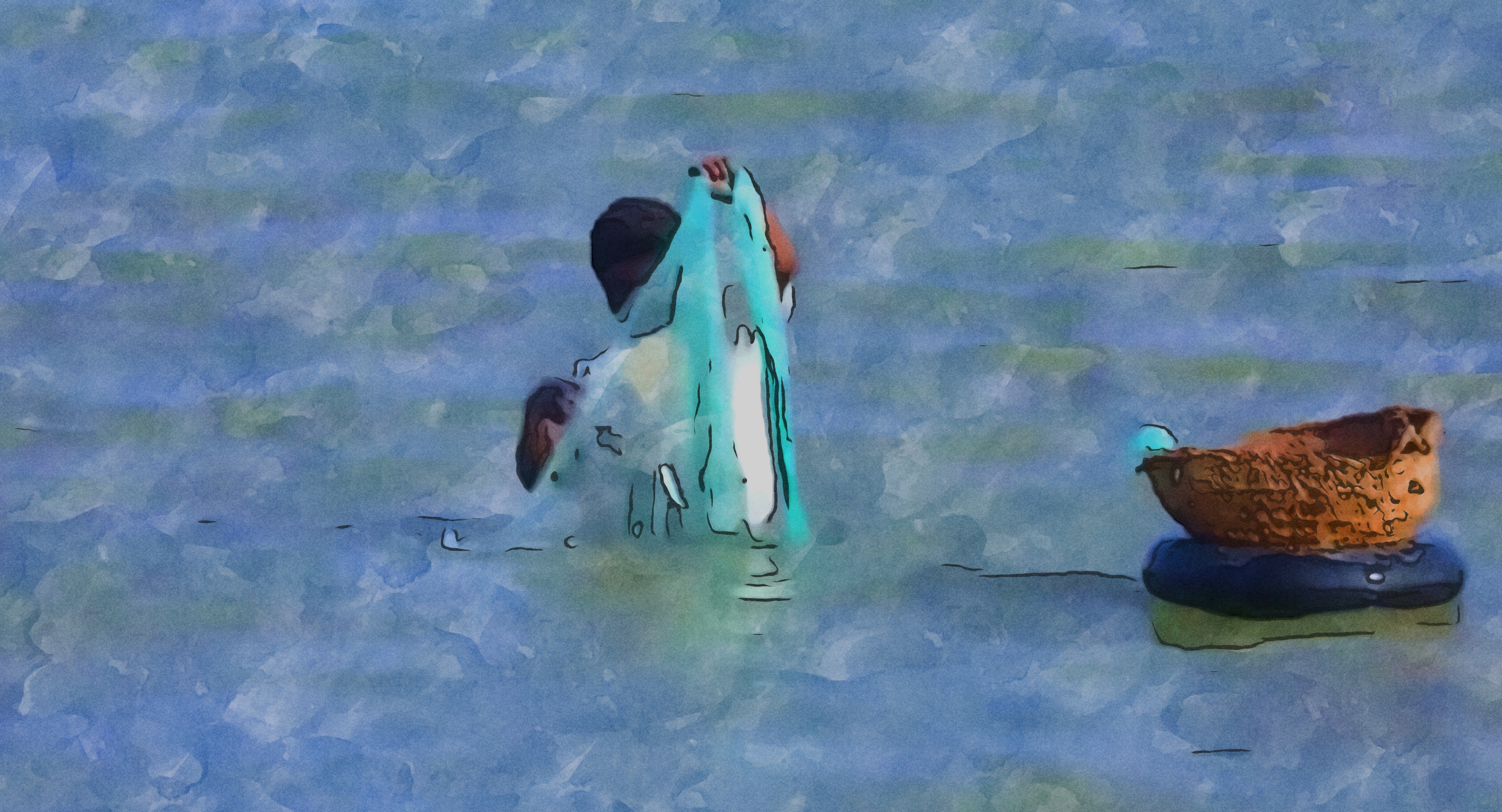
The Folktale below was first published in Wisdom from the Nile, A Collection of Folk Stories from Northern and Central Sudan, Translated by Ahmed Al-Shahi and F.C.T.Moore, The Oxford Library of African Literature, p 184. The illustrations in this post are sketches based on video portraits of Sudanese fishermen’s daily lives. More on this coming soon.

In ancient times, there was a man by the name of Hassan. He was a fisherman. Every morning he went fishing, taking with him his fish-hook and net. Then he brought the fish back to sell in the market. Now fishing made him rich, and he lived happily with his sons at home.

One day while Hassan was fishing on the bank of the river, he felt a weight on his hook, and was sure that it must be a big fish. He could not pull it out of the river, and so called all the people of the village. They all came and dragged the fish out of the river. They found that it was a big fish and an unusual kind. When they took it to the village and opened its belly, a little girl came out. “My name is Sultana,” she said, “and I have a little ring. Anyone who rubs this ring will receive whatever he desires and requests.”

Hassan took her home and every day asked her to bring all kinds of delicious and sweet food and drink. He also asked for good clean clothes and everything needed for the house and for his family. Thus they lived in the best style, and in prosperity and happiness. Hassan abandoned the fish-hook, the net, and other fishing gear, and threw them once and for all into the river, feeling sure that he did not need them now that he had this strange and magical ring.
Days and months passed in this happy state, But one day Hassan went to look for the ring to bring him food, and he did not find it. Also, he did not find Sultana, because the jinnee which had imprisoned Sultana in the fish, realizing that she was with Hassan, came at night and carried her and the ring away to a place unknown to anyone.

Hassan came back home. He was at a loss, and did not know what to do. How could he feed his sons and family after the disappearance of the strange ring, and after throwing his fishing gear in the river? For many days he stayed like this, without food or clothes for himself or his family. He began to ask people to give him money, and returned to poverty, as life frowned on him. Then he realized that he should not have thrown away his trusty companions, the fish-hook and the net.
This tale is one of many drawing on ancient Sudanese folk traditions surrounding river spirits, or banaat al-hurr. See Angels of The Nile and The River of Life for more, beguiling tales of river spirits.
If you enjoy folk tales, you might enjoy Jiraida.

Learn more about our life changing educational work in
Scenes from Our Orphans’ Schooling Programme
See too Community Literacy, Latest News and At a Glance


