Come O Night, Come Sit with Me تعال يا ليل شرحبل احمد
Sharhabil’s Soulful Serenade to a Lost Love
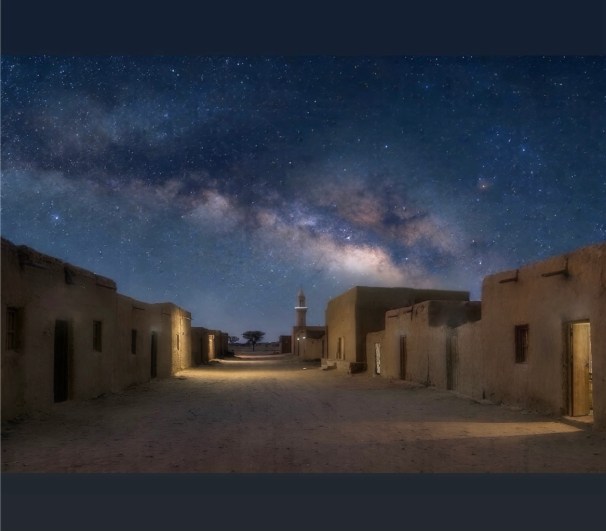
Above and title illustration, the Sudanese night sky (Imogen Thurbon).
“Above the great vault of heaven with its myriads of stars whose brilliancy is intensified by the clear, dry atmosphere, and all around the boundless desert, which blends with the sky…”; an excerpt from the writings of a British colonialist, Sudan Notes and Records, 1931.
For more on the wonder of the constellations visible in Sudan and their bitter-sweet folklore, see
Come O Night, Come Sit with Me
Sharhabil Ahmed’s Soulful Serenade
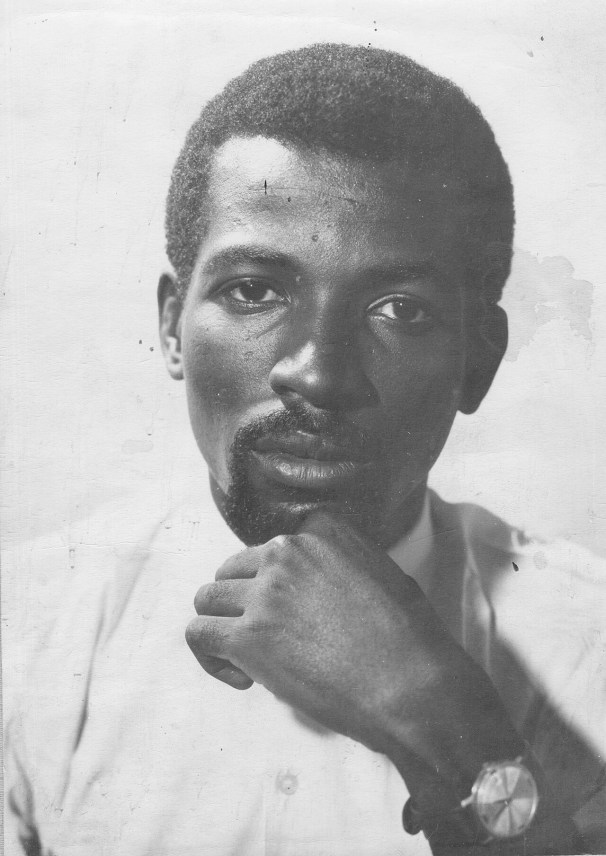
This week’s brief post provides a rough, working translation of an enduring, beloved 1970s hit composed and performed the great King of Sudanese Jazz, Sharhabil Ahmed, shown left (photo Wikicommons). A detailed lexical analysis of the lyrics will be available soon in my sister blog for learners of Sudanese Arabic. Listen to this insidiously catchy song once and you’ll be humming it all day.
The story often told of how the song came about offers a tantalizing glimpse into the great musician’s character. The story goes that the renowned poet Hashim Saddiq had penned the verse “hams al-shawq”, “Whispers of Longing”, giving Sharhabil permission to set it to music. In some accounts, Sharhabil’s version of the song had already been recorded for radio when the musician discovered that artist Mohammad Al- Amin had also been given permission to perform the piece using a different arrangement. Loathe to invite conflict and in what is widely read as a gesture of self-effacing generosity, Sharhabil stepped aside. Still wanting to make use of the music he had composed, however, he decided to adapt the melody to another poem; ta`al ya layl / leel. Some attribute this poem to his long-term creative collaborator, poet and artist Sa`ad Qasim Allah, others to the musician’s wife and first professional female guitarist in Sudan, Zakia Abu Qassim Abu Bakr.
Sharhabil Ahmed (born 1935) mastered the oud, saxophone, trombone and trumpet in his youth. He is widely credited with revolutionizing the Sudanese music scene of the 1960s-1970s by integrating the electric guitar, saxophone, Rock’n’Roll, Surf and Congolese rhythms into popular Sudanese musical styles. Though swiftly acclaimed throughout East Africa, it was not until Germany-based label Habibi Funk started distributing his music that he gathered a substantial following in the West. (Wikipedia Sharhabil Ahmed)

Ta`al ya Layl is just one of Sharhabil’s many hits in a career that has spanned over seven decades. Wistful and contemplative, the song marries yearning for a lost love so characteristic of the Haqiba school, with a jazzy, mellow feel. During the long sleepless hours he endures, forsaken and alone, the singer turns to the night as consoler and confidant. As he contemplates his abandonment and, longing for reconciliation with the beloved the poet invites the night to share his long vigil and while listening to his song, to weave new beautiful stories from the abandoned’s heartfelt melodies. The song closes with the plea that the night will take on the role of noble intermediary for the forsaken lover; that the night will wing his message to his beloved, urging her to come back and in doing so, knit up his wounded soul.
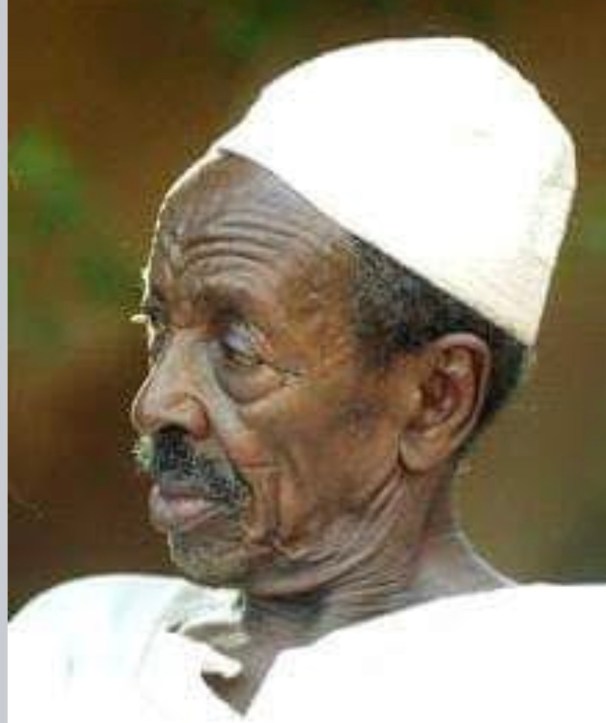
Above right, Sa`ad Qasim Allah 1936- 2024, long-standing creative partner of Sharhabil and lyricist of many of the musician’s most popular songs (photo, Facebook).
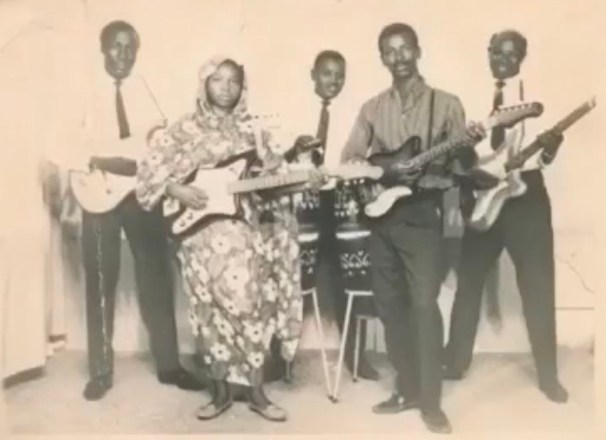
Above, Sharhabil and his band, the epitome of effortless cool, early 1970s. Listen to their immortal “Argus farfesh” – Dance and Cheer Up!, perhaps translatable today as Dance and Just Chill Out here.
“The first track, Ahmed’s calling card ‘Argus Farfish’ opens with a brutal rock riff and high bleating saxophone. Ahmed’s voice comes in, urgent, imploring, exploding into a cry of ‘hey hey!’. The drummer rolls all over the kit, like a version of Tequila set in the mean streets of Omdurman. The sax jostles with the vocals; the guitar flies u, high and spiky. Ahmed screams like James Brown. The rhythms stop and start, chords detonating with a flourish, before the beat jolts back into life.”
David Honigman, Financial Times, quoted in Sharhabil Ahmed.
Learn more in African Music Forum.
Listen to the Song Here:
Lyrics to the Song:
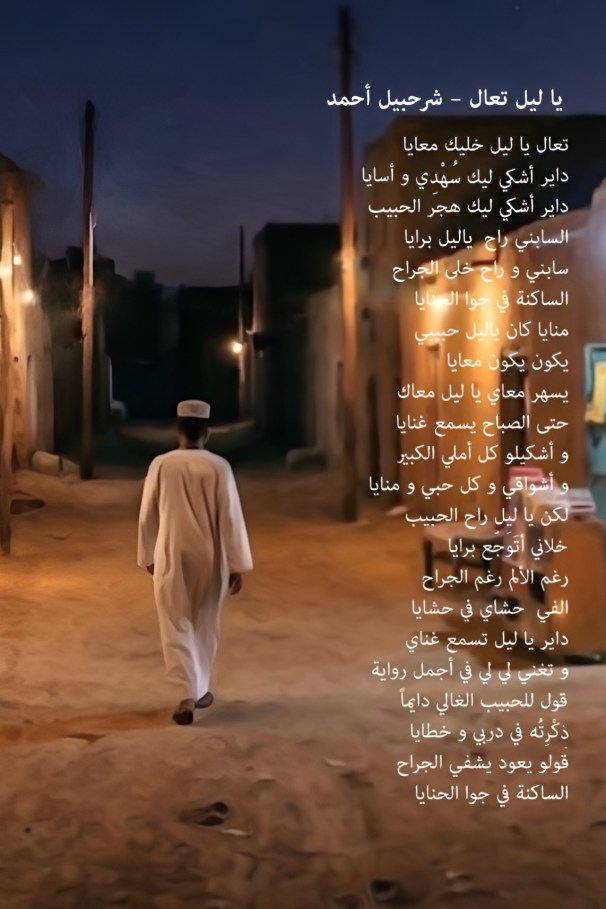
Below a preliminary working translation of the lyrics.
A thousand thanks to Muna Zaki for all her kind help and expertise.
Come O Night
/ Come O Night, Come sit with me /
(literally, come stay or be with me; here we have the idea of the night as a compassionate companion and confidant)
/ That I may lay my sleeplessness and sorrows at your feet / ( or: Let me lament to you my sleeplessness and sorrows…)
(in quiet confidence)
(or: Let me unburden my wakeful soul of its quiet griefs;; the verb used here is literally “to complain”)
/ pour out to you (confide to, lament to you) I was abandoned by my love /
/ My love left me and went away, O Night, all alone /
/ My love left me and went away, left a wound /
/ that haunts the deep recesses of my very core /
****
My dearest wish, O Night; to have her here with me /
/ to keep vigil with me, O Night and with you /
/ and listen to the music of my soul till morn’s first light /
/ I long to lay before her my great hopes /
/ my longings, my love and every tender heartfelt wish /
/ but my love left me, O Night /
/ Left me to bear alone this heavy pain /
****
/ Despite the pain, despite the wound /
/ tearing at my insides /
/ I want you, O Night, to hear my song /
/ and weave for me your most beautiful tales in return /
/ To tell my sweet love her memory /
/ dwells wherever my path and footsteps fall /
/ Tell her to return, to heal the wound /
/ dwelling deep with my very soul /
****