

Soap Entrepreneurs
From Survival to Self-Reliance: Affordable Soap for Displaced and Local Communities, Renk, South Sudan
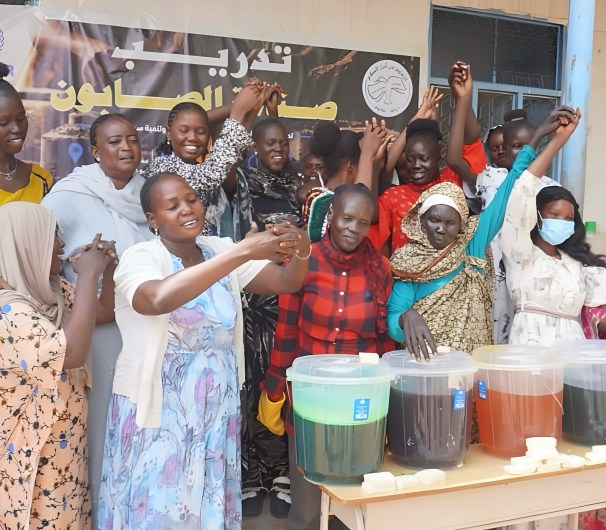
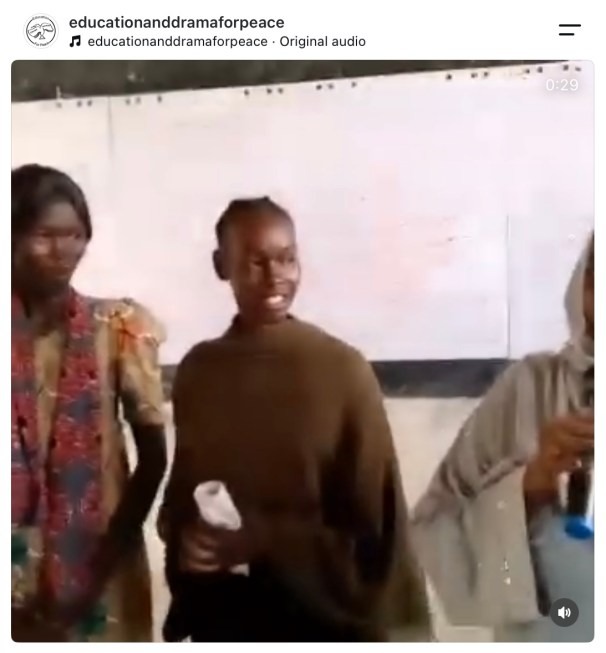
With newfound self-confidence and sense of purpose, the young women above celebrate the first batches of soap they have produced after attending training in safe soap making provided by Education and Drama for Peace (EDP) in collaboration with UNHCR. EDP’s trainees and instructors are all members of Sudan’s displaced communities.
This inspiring project, based in Renk and Chemedi* and endorsed by UNHCR, is just one of several sustainable income-generating initiatives undertaken by EDP, designed to serve both displaced and local host communities. Since EDP’s new base in Renk was established in 2023, over 14,000 direct beneficiaries of their programs have been identified, as well as an estimated 70,000 indirect beneficiaries (UNHCR data). EDP’s programmes has been recognized as effective contributions to the United Nation’s Sustainability Goals.
The soap produced by EDP’s entrepreneurs sells for a third of the cost of local alternatives.
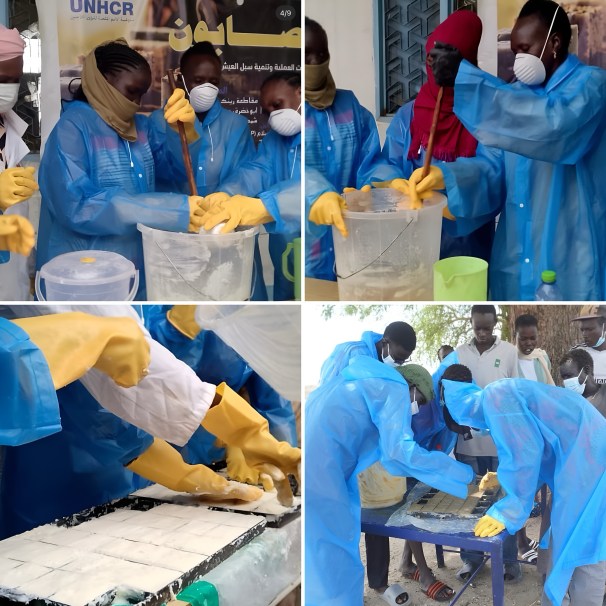
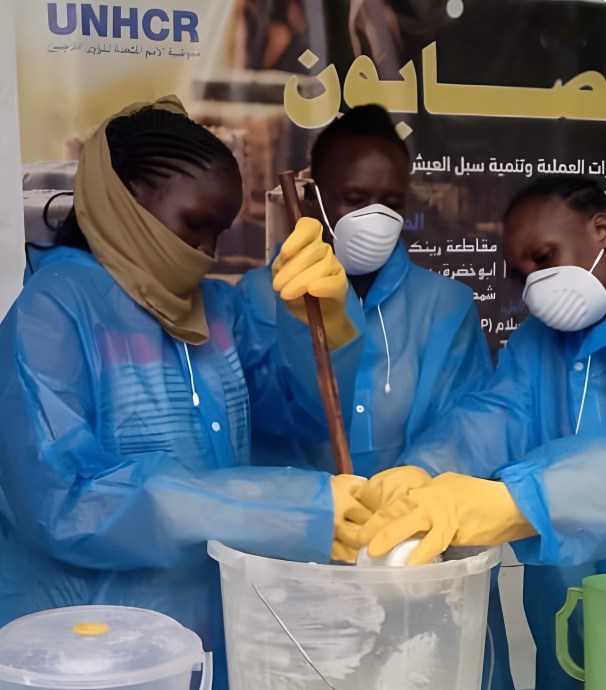
Above, EDP’s trainees applying the laboratory and chemistry skills they have gained from their qualified instructors, in a health and safety-controlled environment. Participants also receive training in marketing and business startup skills so that they can develop their own small businesses. From August to November this year, working six days a week, 104 women have received training in soap production.
All photos featured in this article are copyright, EDP Instragram and reproduced here with kind permission.

Why Soap Making?
Healing and Health – A Versatile Business Model – Transferrable Skills
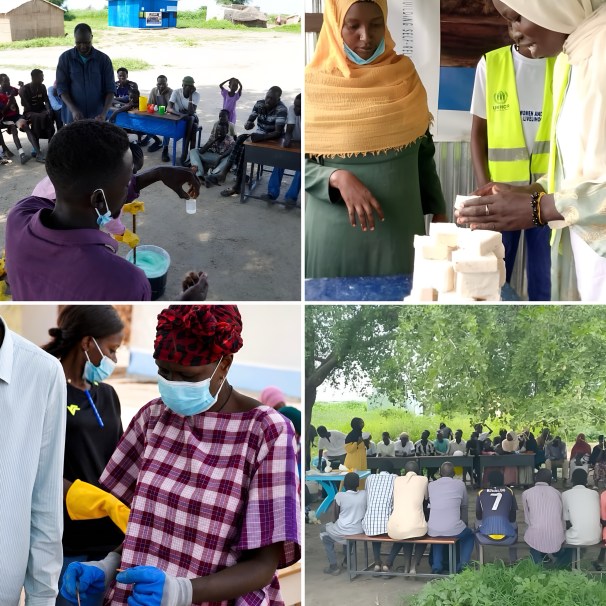
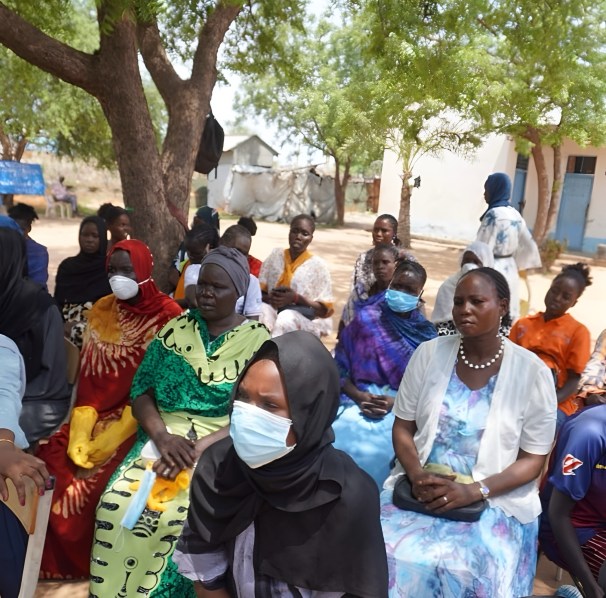
Under the trees or in camp clearings, less than ideal locations are no obstacle to effective training or committed participation.
See a trainer in action here (Education and Drama for Peace Instagram).
Healing and Health
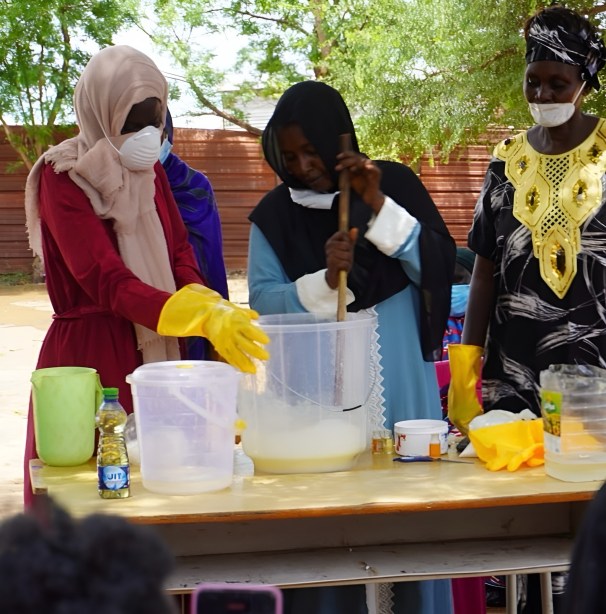
For so many local and displaced communities, something as basic as soap has become a luxury beyond their reach. It is both scarce and often prohibitively expensive. This alone has had a devastating impact on health and hygiene in the overcrowded conditions of Renk Transit Camp. Access to plentiful and affordable soap within the camp has reduced the spread of deadly water borne and contact diseases such as cholera and diarrhea, as well as respiratory infections. Access to soap has been integrated into public health and hygiene awareness workshops and soap makers have become skilled health advocates in the camp community and beyond.
Soap made by camp residents is also distributed to local community centres and schools, helping to foster bonds of trust and mutual cooperation between the refugee and local host community when relations can sometimes be under strain.
A Versatile Business Model
The modest outlay in terms of raw material costs and quantities needed makes soap production a highly accessible small business option where locally available ingredients such as palm oil, shea butter and other plant extracts are plentiful and other key ingredients such as salt, soda ash are usually affordable. The fact that soap is a household good used daily offers predictable consumer demand and facilitates supply chain management. It is also a product that is easily scalable, can be adapted to different container sizes, produced in both liquid and bar form and has the potential to be developed into detergents and other hygiene products.
All these factors make small scale soap production a particularly suitable form of income generation for vulnerable groups such as women and refugees, providing a reliable source of self-employment and daily income. The economic empowerment and financial independence such initiatives bring can make all the difference to women struggling to support their families, feed their children and pay for their schooling, food and healthcare. The stability and self-reliance afforded by programmes like EDP’s soap making actively lessens vulnerability. Women’s saving groups can be set up for future investments and as a buffer against income loss. Such programmes are also credited with cutting the incidence of early marriage among girls.
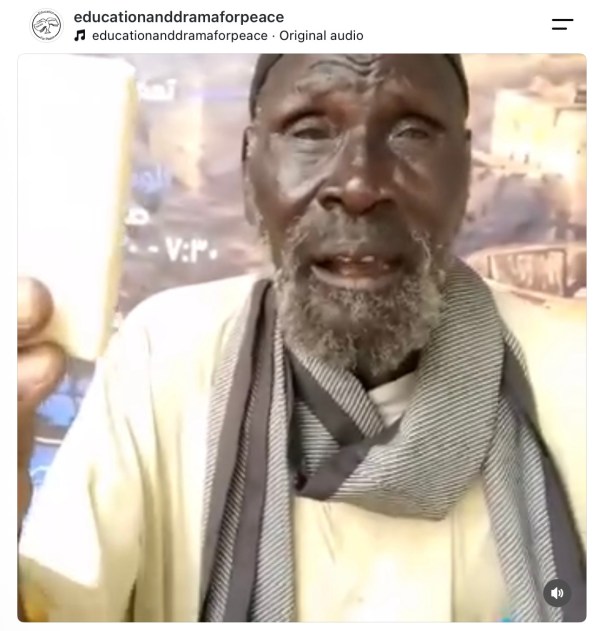
Share in the sheer joy of this camp elder celebrating soap production here.
Transferrable Skills
Soap making also equips trainees with valuable transferable skills; focus on safety procedures, accuracy and precision in measurement and production processes for consistent soap quality, as well as cooperative team approaches can all be successfully applied to other ventures. Trainees need to calculate costs and quantities, exercise resource management and develop marketing strategies.
Perhaps most importantly though, EDP’s initiative builds a sense of self-belief, purpose and autonomy among participants who have endured the collapse of all that was familiar to them. And that is beyond price. With rising costs and shortages of materials as recent fighting in border areas takes its toll, EDP is striving against the odds to continue this vital work.
Enjoy an advertising song composed by trainees here (EDP Instagram).
*Chemedi, is on the Kenya- Sudan border, is home to over 60,000 Sudanese refugees.
If you would like to follow Education and Drama for Peace’s life-changing work more closely, then go to Refugee-led Peace Building.Learn more about Education and Drama for Peace’s inspiring backstory in Education and Drama for Peace (Women’s Literacy Sudan).

