

International Women’s Day, 8th March, 2023
Embracing Equity
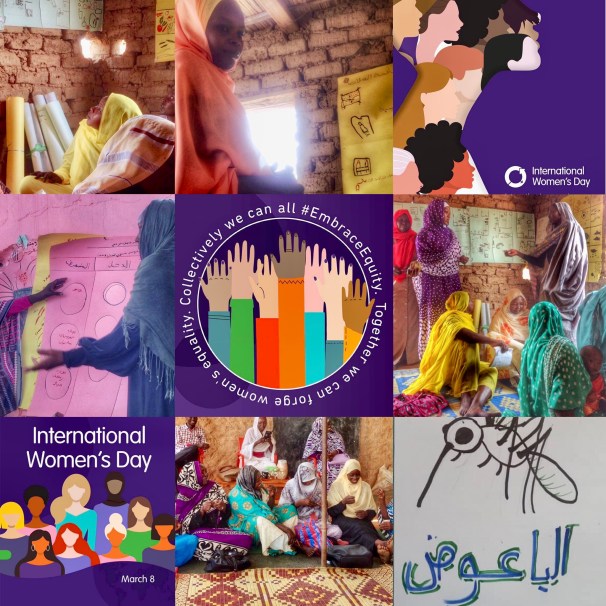
Above, scenes from our women’s literacy programme. Women determine the areas most relevant to them and their communities – health, sanitation, disease prevention, income generation, developing local resources and services – as vehicles for literacy acquisition.
This year’s International Women’s Day highlights the pressing need both to open up greater digital access to women across the world and crucially, to adopt development approaches that embrace equity as a means of achieving equality.
Greetings to All Our Readers and Supporters on International Women’s Day 2023
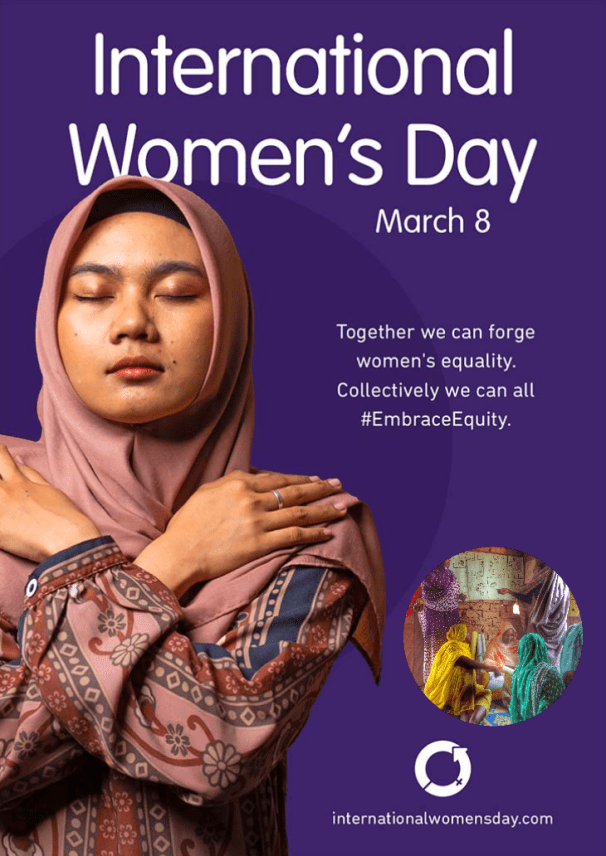
What is Equity?
Equity recognizes that each person has different circumstances, and allocates the exact resources and opportunities needed to reach an equal outcome.
At Women’s Education Partnership we recognize that women and girls in Sudan are often at a disadvantage when it comes to accessing the education they want and need. The pandemic, coupled with the continuing economic and food crisis in Sudan have led to even more girls abandoning or being taken out of school. Women and girls already at a disadvantage because of physical disability find themselves even less able to access the literacy and primary school programmes they are entitled to.
We aim to level that playing field by providing the educational input and resources women and girls need to achieve their goals in an unequal world.

Above, what equity means in practice.

Working to Level the Playing Field

Sudanese women and girls are disproportionately disadvantaged in their access to basic education. We work to ensure women have safe, clean and comfortable places to study literacy and that young girls stay in school. We support the building and provisioning of primary schools in some of the poorest communities in Khartoum and sponsor orphan girl pupils to study there. We provide wheelchairs for women and girls so they can attend classes and our eye care clinic offers treatment and surgery for previously undiagnosed conditions that have hampered our beneficiaries’ learning in the past.
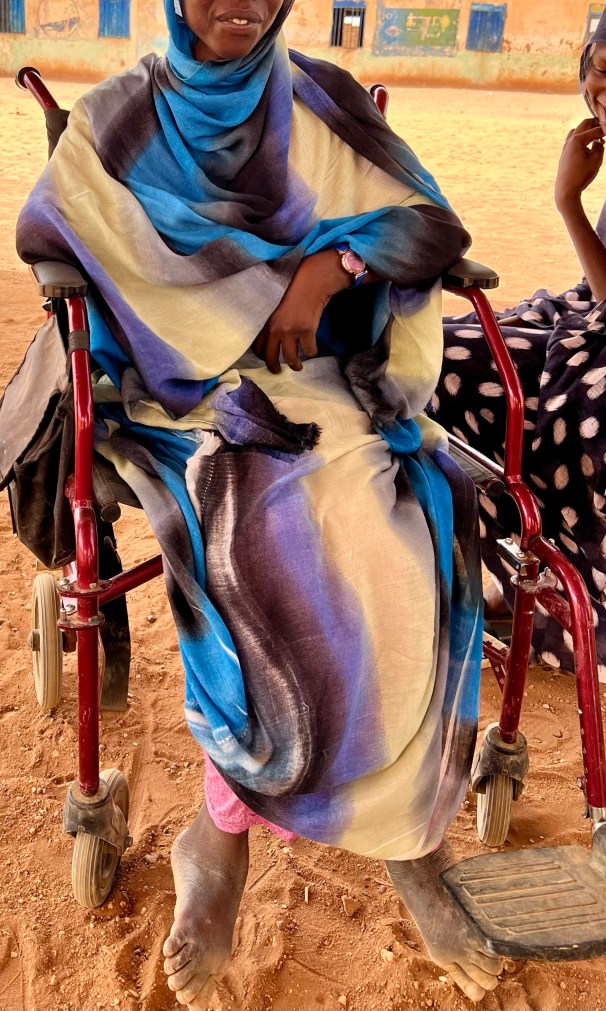
Left, a student with disabilities who we provided a wheelchair for. Right, one of our literacy centres, co-built by our literacy participants.
Our university scholarship scheme targets those bright young women who would otherwise be denied the further education that will benefit both them and their communities. The scheme is needed now more than ever as so many families who had hoped to send their daughters to university have lost their livelihoods in the aftermath of the pandemic.

As well as providing tailored knowledge and practical skills, our literacy programme invites our participants to explore the cultural and societal issues that restrict their daughters’ access to education. Among them, the preference given to boys’ schooling when economic resources are limited, women and girls’ safety and its impact on their mobility and school attendance, women’s household responsibilities and their participation in community improvement initiatives and the practice of early marriage. In this way, we hope to lay the stepping stones of equity for the next generation of Sudanese women and girls.
See too UN International FGM Zero Tolerance Day
Below, UN Women goals for 2023; goals we look forward to working towards too.
Could you help us continue to support Sudanese women and girls on their journey to equality?
Just click on the link below to donate. Every donation makes a huge difference.
Women’s Education Partnership Donate

This is a literacy post for
 Women's literacy in Sudan
Excellent post
LikeLike
🙏💕
LikeLike