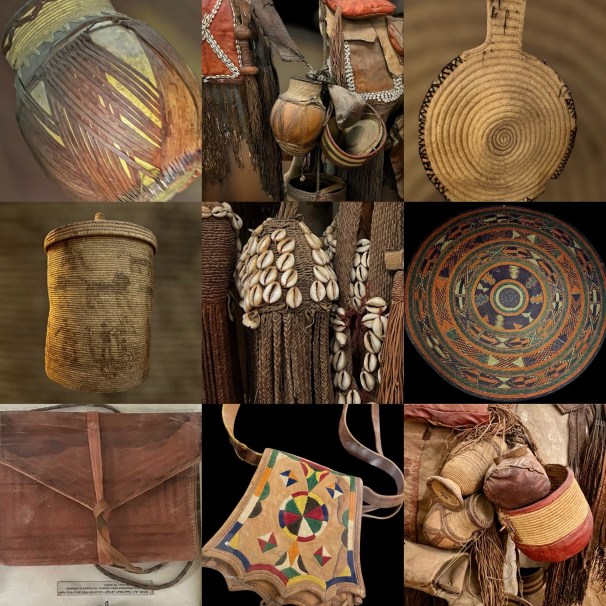
Sudan at the British Museum
Sudan: Conflict, Community, Care
“Wars and forced migration have a devastating impact across the world and, in times of crisis, people often turn to each other to survive.” British Museum, Sudan: Conflict, Community, Care.
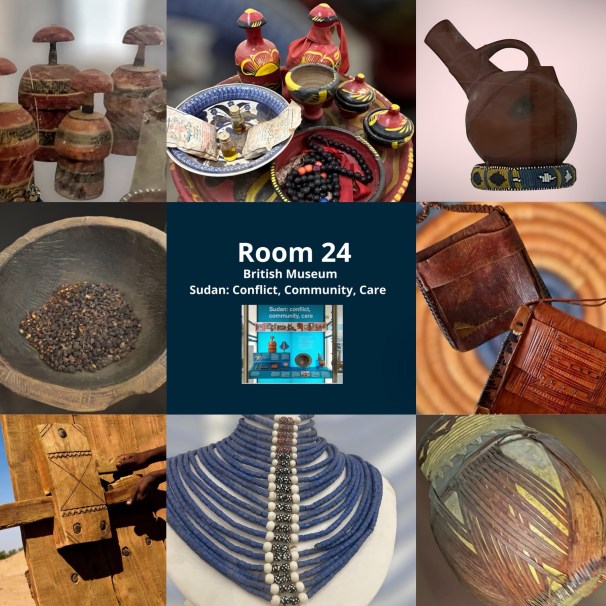
Above, examples of artifacts similar to those featured in the British Museum’s Sudan: Conflict, Community and Care – its ongoing exhibition as part of the Living and Dying collection. I was lucky enough to see and photograph these beautiful objects while visiting and working in Sudan over several years. As the museums in which they were preserved have now been looted, vandalized and stripped of their collections, the British Museum’s exhibition takes on a tragic but inspiring relevance and power. I write this brief post in the hope that any readers based in London might be tempted to explore the exhibition, as well as the Museum’s permanent Sudan collection.
See more on Khartoum’s looted heritage and the work being undertaken to recover its treasures in Sudan’s Cultural Treasures Looted 1 (Sudan’s Ethnographic Museum, Khartoum), Sudan’s Cultural Treasures Looted 2 (The House of Khalifa Museum, Omdurman) and Sudan’s Christian Heritage Looted (Christian artifacts housed in The Sudan National Museum).
The photographs above were taken by the author or purchased on licence.
Sudan: Conflict, Community, Care
The British Museum explains:
This collaborative display in Living and Dying (Room 24), The Wellcome Trust Gallery, explores the impacts of conflict on communities and how people support each other during times of war and when forced to flee their homes. The display presents Sudanese and South Sudanese objects from the British Museum collection, alongside new artworks and texts. It was created in collaboration with members of Sudanese and South Sudanese communities living in London. These objects are part of a collective history.
The objects in this display reflect on experiences of conflict and the importance of solidarity and mutual aid. They were selected with Sudanese co-curators and a consultation group comprised of members of Sudanese and South Sudanese communities, all of whom had been personally impacted by conflict. The display is part of a programme of pilot projects, testing different ways of working and telling stories. Future galleries developed as part of the Museum’s Masterplan will build on the lessons learned, foregrounding collaborative working and bringing in new voices.
Discover more in British Museum Sudan; Conflict, Community and Care.
Below, just a few examples of the many types of artifacts featured.

Above, man’s beaded collar of Venetian beads – Malwal Dinka Tribe, Bahr al Ghazal, exhibited at the Sudan Ethnographic Museum, Khartoum, pre-war. See more stunning examples of Sudanese and South Sudanese cultural life and history in The Sudan Ethnographic Museum.
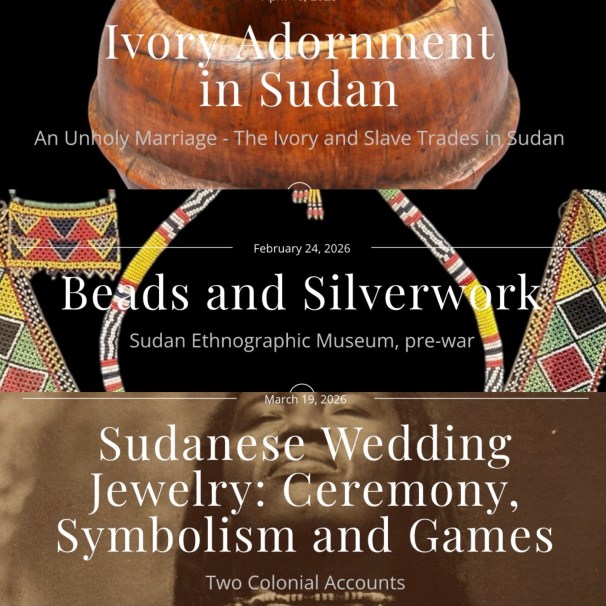
Above, a handful of many articles available on Sudanese jewellery and adornment. See Springtime Reading for links.
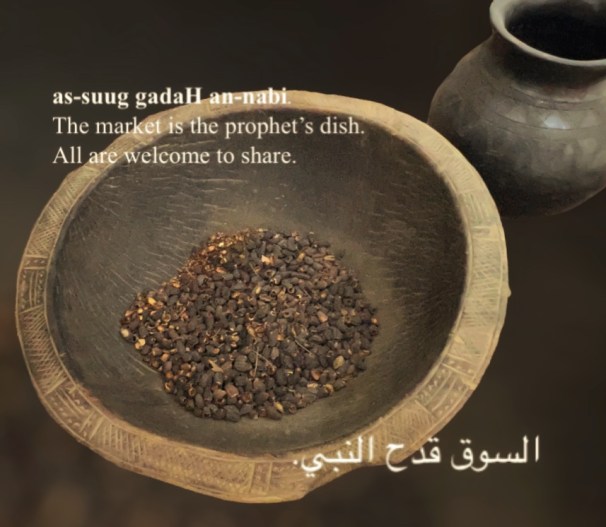
One of the objects featured in the British Museum’s exhibition is the gadah; a symbol of community generosity and solidarity. Learn more about this beautiful object and its cultural heft in Al-Gadah.

Above, fine examples of Sudanese Hugg: turned wooden containers, often in deep red, black and yellow, for the hand-blended scented woods and pastes central to jirtig wedding ceremonies in northern Sudan. Learn more about the fascinating rites and rituals of an ancient Sudanese tradition in Anointing in Robes of Red and Gold, Anointing in Red and Gold: Update and Sudanese Wedding Jewelry: Ceremony, Symbolism and Games.
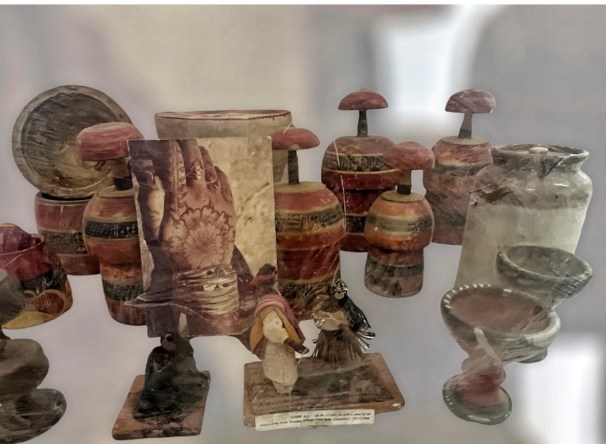
Above, a display of jirtig Hugg, incense burners and wedding henna tattoos, the Sudan Ethnographic Museum, pre-war. For more on henna, see “A Open Hand will Encounter Henna” – Updated.
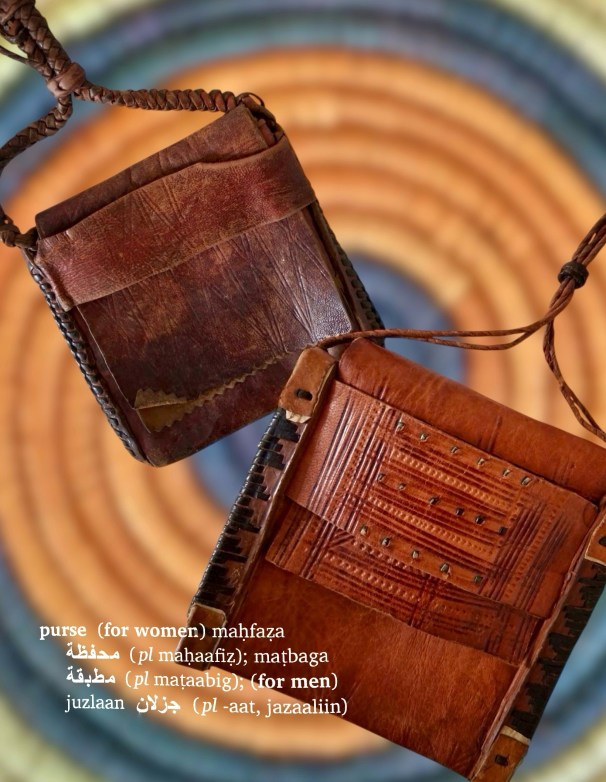
Above, the supple, finely worked leather of much used mahfaza, also known in colloquial Sudanese as maHfaDa, محفضة.. The definition above comes from Rianne Tamis & Janet Persson’s Sudanese Arabic, A Concise Dictionary. The photograph of these mahfaza was kindly provided by Cate Evans-Paulmier.
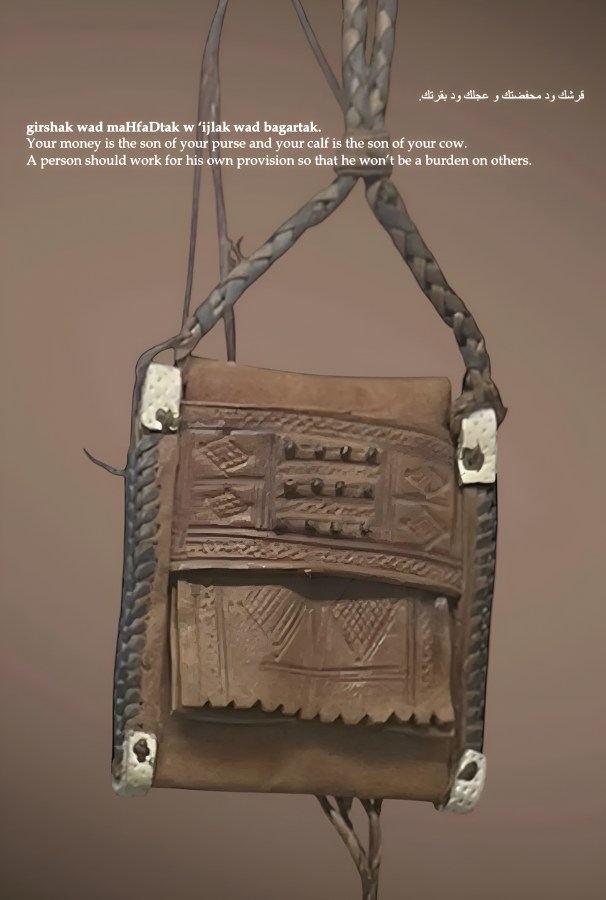
See more on the leather purse known as a Mahfaza and its many affectionate associations for the Sudanese in The Mahfaza / Mahfada. The one above was displayed in the Sudan Ethnographic Museum.
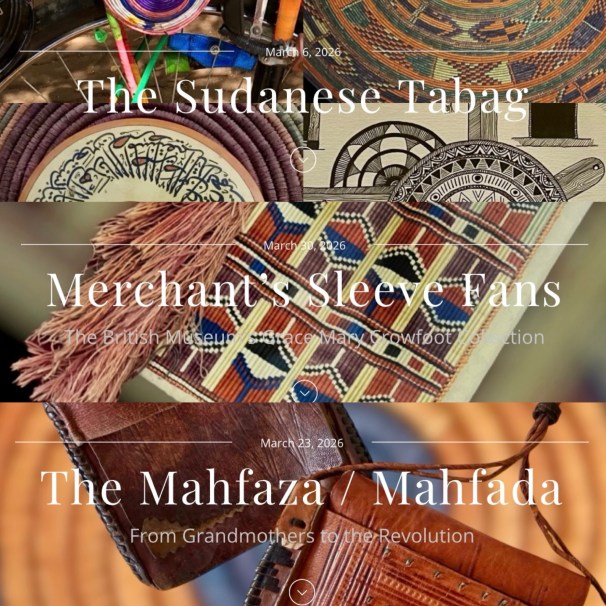
Below, other articles available on cultural icons of Sudan; see Springtime Reading for links.
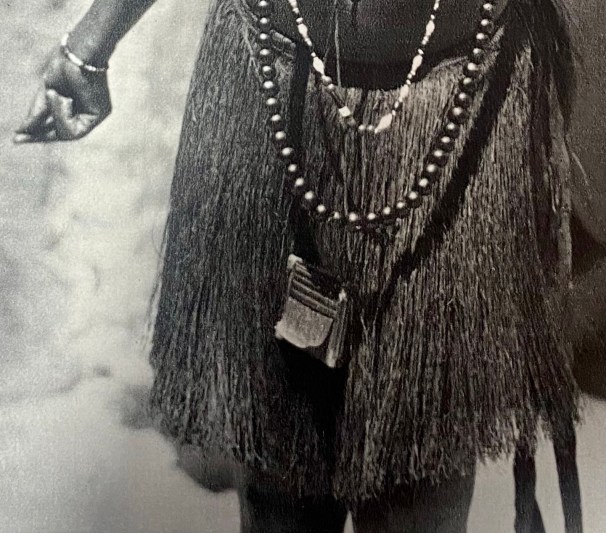
Above, a colonial-era photograph of a young woman wearing the traditional rahat skirt and mahfaza purse.

Above, photographs widely circulated on social media of northern Sudanese craftsmanship in doors and door locks.

Above, the wooden lock securing gates to the ancient mud-brick temple known as the Western Deffufa, in the city of Kerma, northern Sudan, (photo Alamy, used under licence). The wooden pin and tumbler lock mechanism within its pared down patterned casing pictured here has been used for millennia, with experts agreeing early Egyptian and Babylonian cultures to be among the first to perfect this form of locking mechanism. Until recently, such locks were commonplace throughout the villages of northern Sudan, their craftsmanship especially associated with Sudanese and Egyptians settled in the Halfa region before mass displacement of these communities in the early 1960s.
See more in An Ancient Art – The Wooden Door Locks of Nubia
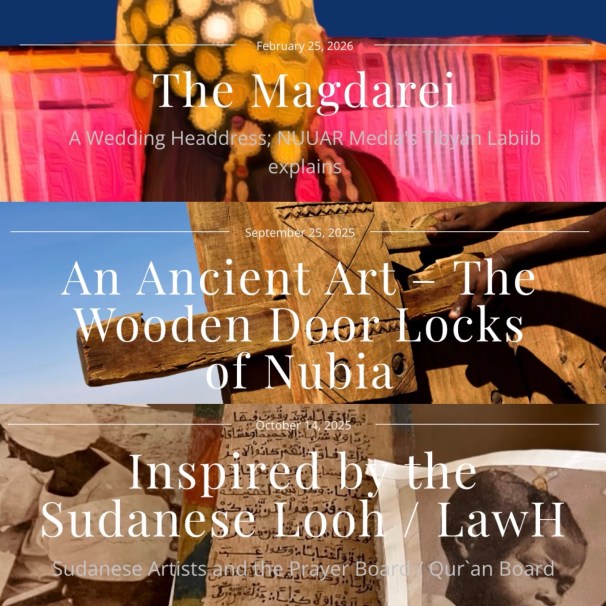
Above, other articles on Sudan’s cultural heritage; see Springtime Reading for links.
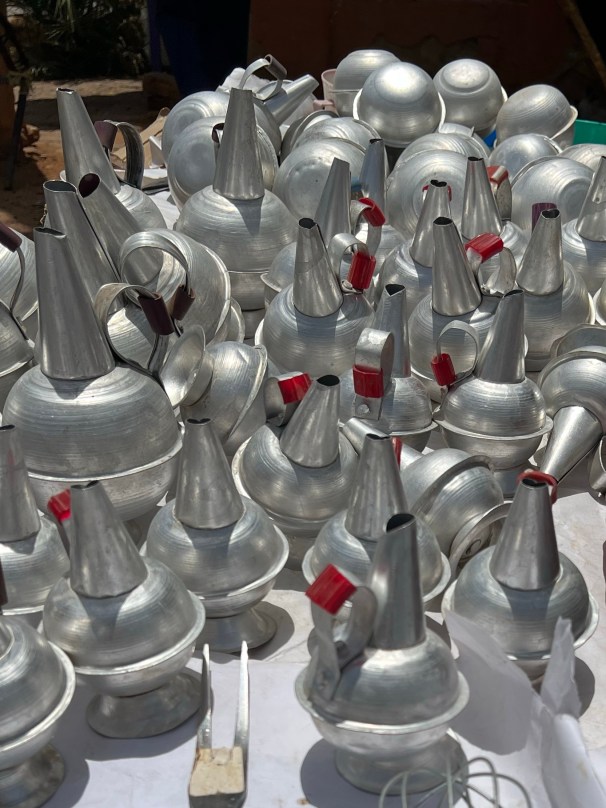
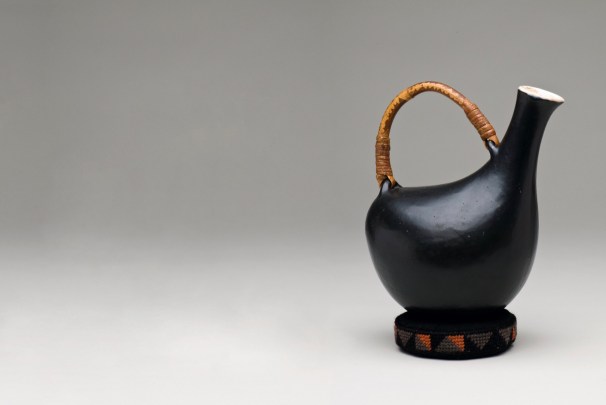
Below Sudanese coffee pots, known as jabana.
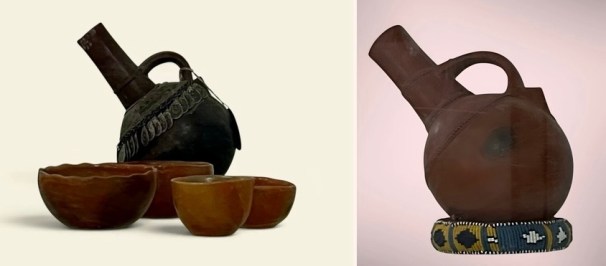
Above, exhibits from the Sudan Ethnographic Museum, pre-war.

“There she is, sitting proudly at the centre of the circle of hope, surrounded by all her bottles of ingredients such as Ganzabel (ginger), Habaha (cardamon), Nana (mint), Gerfa (cinnamon), cloves, tea, coffee and sugar followed by a unity of small shiny tea cups and shimmering teaspoons all forming her facade and to her side a Kanuun (handmade grill) filled with burning charcoal on top of which is placed a golden yellow pot, boiling with water, ready to be united with the rest of the ingredients.”
Tea Lady (Sit aSh-Shay) by Islam Elamin in I Know Two Sudans, p51
Below, more fine examples from the Ethnographic Museum.
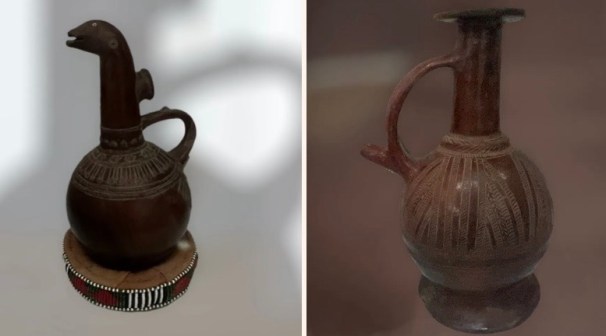
Learn more about the deep social, artistic and literary resonances of the jabana in Coffee and Conversation- Updated and Coffee and Hibiscus Flowers. See the groundbreaking work of Sudanese ceramicist, Siddig Al NIgoumi, inspired by the form and symbolism of the jabana in The Scorpion and The Coffee Pot
Coming soon, Sudanese leatherwork and basketry.