

A Sudanese Love Story – يا زمن وقف شوية
Ibrahim Rashid’s Epic Ballad to a Lost Love
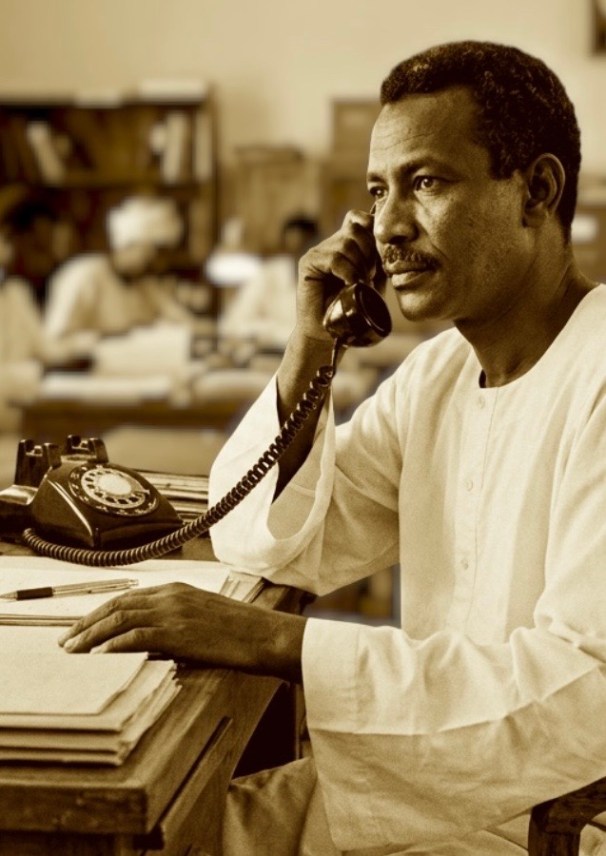
A love story forged by a phone call and unspoken bonds.
In this week’s brief post, I reveal the story behind one of Sudan’s most iconic poems and love songs, يا زمن وقف شوية : literally “O Time, Stop Awhile.” The tale offers a poignant glimpse into the values of another era, its reticence, social delicacy and class constraints. In the telling, many intriguing questions remain unanswered. My retelling of the tale is drawn directly from El-Nileen’s article هذه قصة الأﻏﻨﻴﺔ لسودانية الشهيرة “ﻳﺎ ﺯﻣﻦ ﻭقف ﺷﻮية” وشاعرها يعترف القصيدة محصلة ثماني سنوات لعلاقة ربطتني بفتاة لم أراها. El Nileen, in turn, draws on numerous social media sources in compiling its account.
A clip of the poet reciting the ballad is featured below, together with a working translation of the poem. You can also enjoy iconic renditions of يا زمن وقف شوية by such giants as Ibrahim Awad and Nancy Ajaj, embedded at the end of the post.
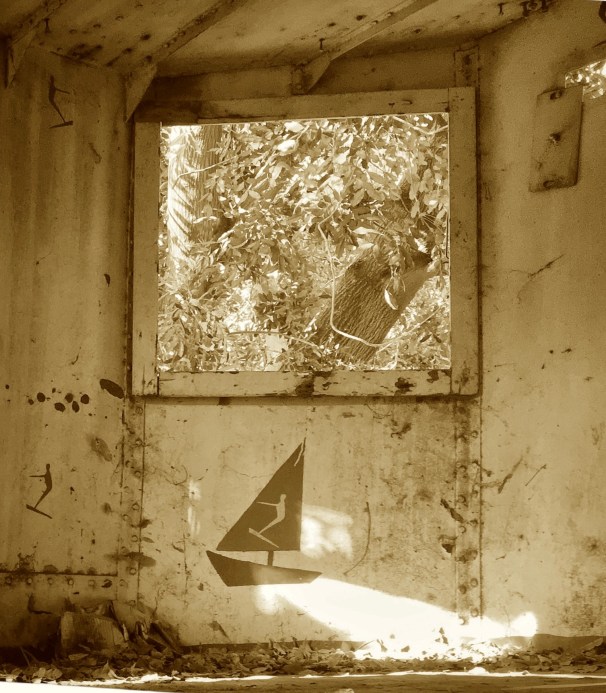
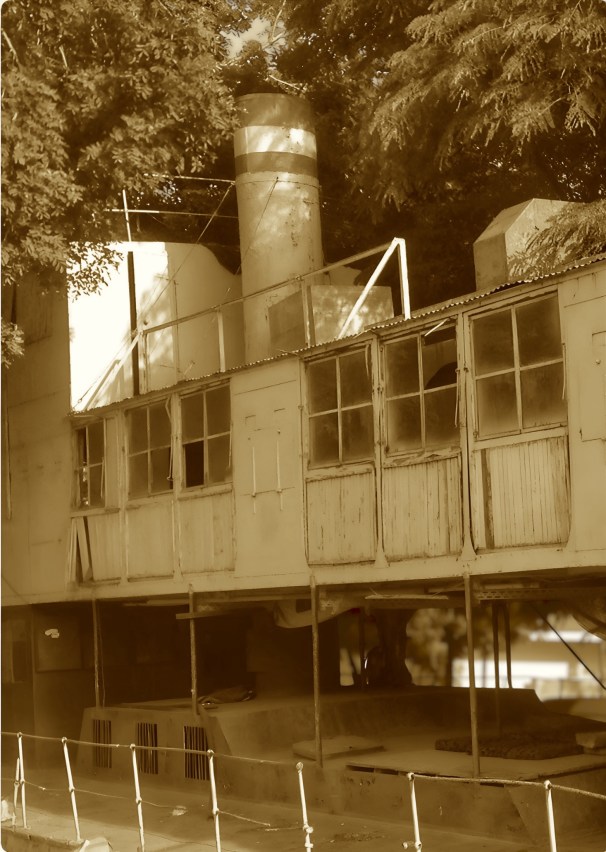
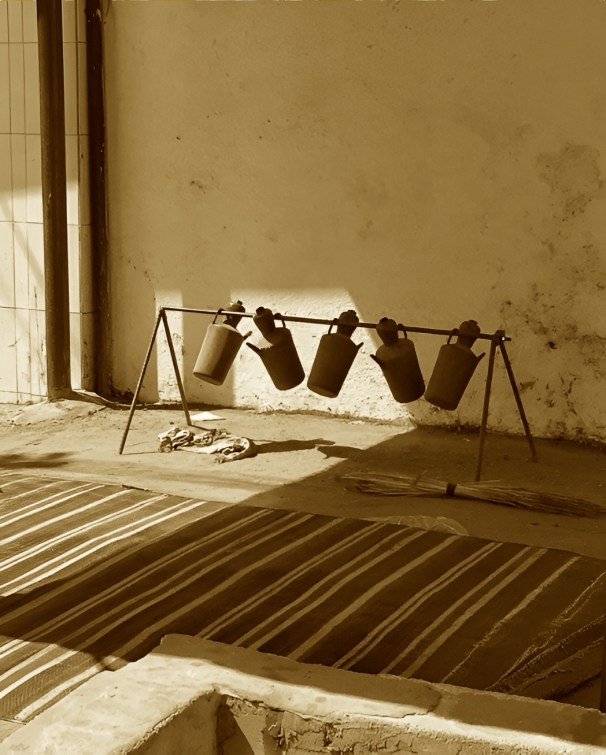
Above, a photo taken in 2019 of the interior of the vast rusting hulk of the colonial gunboat Melik, docked at The Blue Nile Sailing Club, on the banks of The Nile, Khartoum. The club and its sweeping views of the river dotted with graceful sailing boats feature powerfully in the poem’s back story.

Poet and Lyricist Ibrahim Al-Rashid
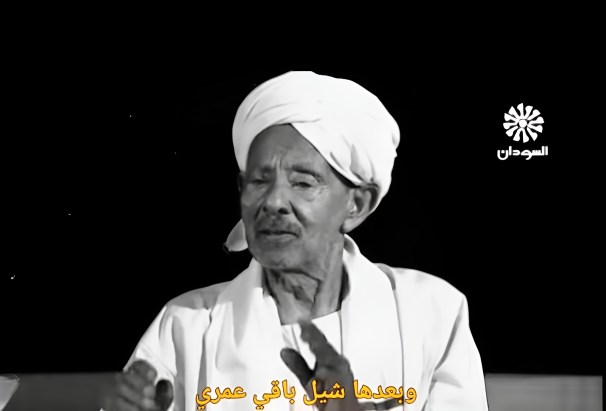
Poet and lyricist Ibrahim Al-Rashid Ahmed was born in the Bayt Al-Mal neighbourhood of Omdurman in 1932. The young Al-Rashid was already composing verse in primary school and soon came to the attention of poet Khalid Abu Al-Rus, who encouraged and mentored his early poetic talents. His breakthrough and first sung poem came with Challenge, written in 1956. With Challenge a unique partnership was forged between the poet, singing star Ibrahim Awad, dubbed Sudan’s Elvis Presley, and composer Abdul Latif Khadir.
In the early 1960s Ibrahim Al-Rashid played a central role in establishing Sudan’s Song Writers’ Union. Its initial ten members would meet every Friday to dine and to explore ideas for poetry and song; a time warmly remembered by the poet in later life. Al-Rashid went on to write lyrics for nineteen songs sung by Ibrahim Awad and is credited with elevating romantic lyrics with fresh, personal and vivid imagery. The song Tarry Awhile, O Time was composed by Abdel Latif Khadir and beautifully performed by the late Ibrahim Awad, The poet died in 2021 at the age of eighty-nine.
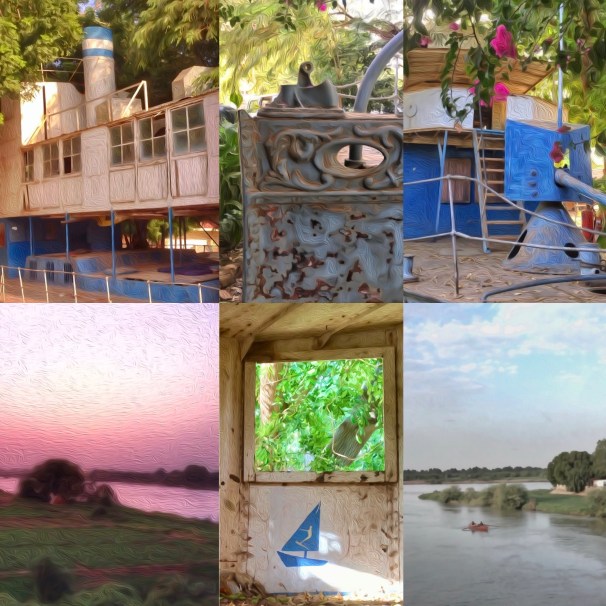
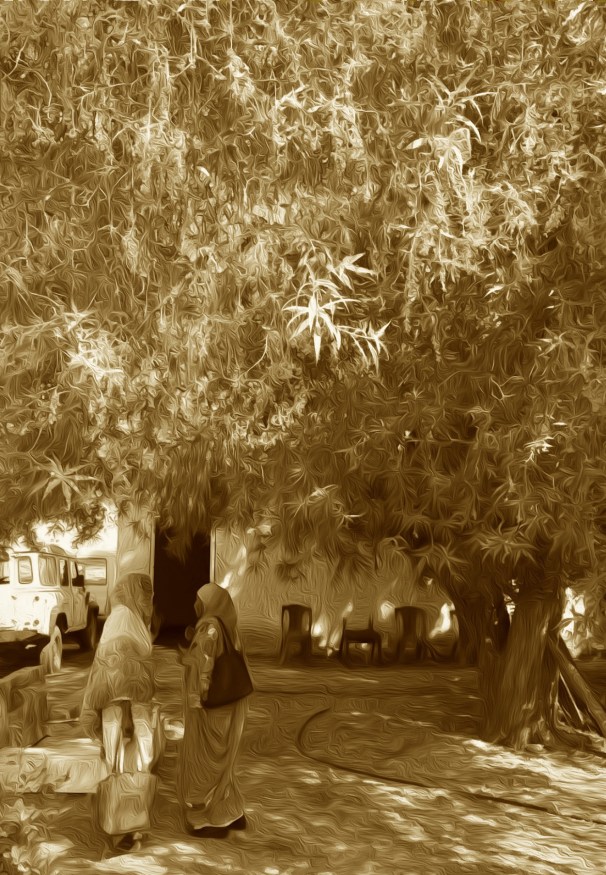
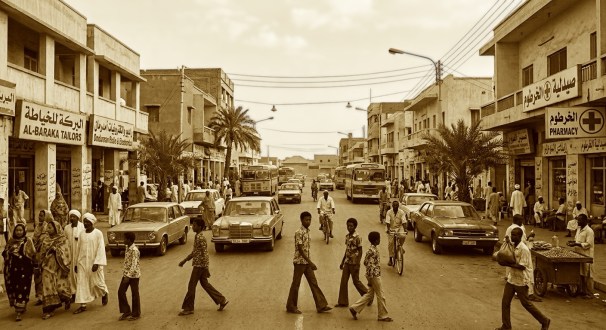
Below, scenes from the Blue Nile Sailing Club, 2019

A Whispered Watchword and Prayers at Dawn
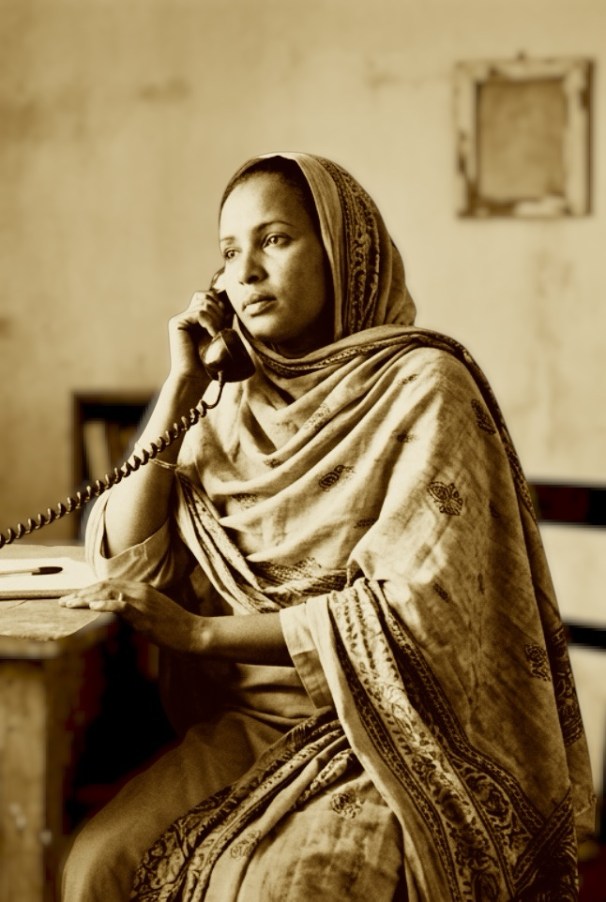
It all began, the poet explains, with a phone call. A call that would inspire him to share his deepest thoughts over the phone with a young woman he had never met, in a bond that would endure for the next eight years. “It was just deep feelings, emotions and simple phrases like ‘Good Morning’. During those calls neither of us ever said ‘ I love you.'” The poet recalls: “Back then, telephones were very rare. However, because of my job at the post office, I had access to a means of communication. The young woman came from a wealthy family and was a student at the Faculty of Economics at the University of Khartoum, where she lived in the university dorms. When her roommate came to know of our story, she asked her friend to contact me so that we could meet.”
They met in the university’s Science Library. “We chose the word ‘Rosemary’ – inspired by Nights of Love in Vienna, (a legendary 1944 ballad by Egyptian – Syrian singer and actress Asmahan), as our password because we didn’t know what each other looked like.” When the poet arrived at the library it was crowded and abuzz with student chatter. To avoid drawing attention to himself, he approached each group of students in turn and whispered the password, hoping against hope for a glimpse of recognition. Finally it came. “When she heard the word, she gasped and stood up.” As their conversation unfolded, he learned that her father was a high-ranking state official. When the time came to part, the poet goes on to tell us, “She asked to meet again but I refused, explaining that if I were to visit her at the university, I would cause trouble for her and that our conservative society knew no mercy.” She was left disconsolate, confused and deeply hurt by the poet’s refusal.
“I later learned that she had taken an exam two days after our meeting – an exam she failed. She called me to say that I had been the reason for her failure. When I later learned that she had taken the resit and passed, I went to the university to see her. ‘What do you want?’ she demanded angrily and I replied ‘To apologize for not coming to see you before.'” This time the poet could not help but ask her to go out with him and she agreed – on condition her friend accompany them.
“We got into my Austin car and drove towards Nile Avenue. We parked opposite the Blue Nile Sailing Club but we didn’t get out of the car; we just opened the doors and contemplated the beautiful scene before us – The Nile, Tutti Island and the sounds of passers-by. That night the moon was full and silence fell over us. Words completely failed us; neither of us could figure out where to even begin.” For many hours the pair sat in wordless reverie, lost in each other’s gaze until her friend broke the spell, saying الزمن سرقنا; (literally “Time has stolen us” (time has slipped away from us or “time got away from us”, both an acknowledgement of time enjoyably spent and a poignant and wistful reminder of the swiftness of time’s passing) and they returned to the university.

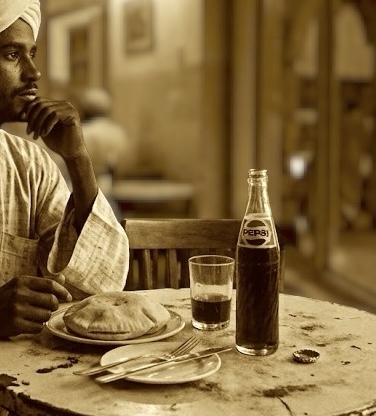
The poet knew he had to write about their story. Upon returning to the university, he fervently recited his evening prayers, begging for inspiration. Yet no words would come. Ibrahim Rashid remembers: “I drove to a cafe near the intersection of Al Qasr and Al-Jumhuriya, ordered a sandwich and a bottle of Pepsi and once again spread out my prayer mat in the street and begged God to inspire me with a word.
The phrase ‘Time got away’ from us’ kept echoing in my mind and I said it over and over again until dawn. It was after the daybreak prayers of fajr that inspiration finally came to me and I said ‘O Time, stop awhile’. The words flowed seamlessly from my pen and I wrote the whole poem then and there. I went home and after drinking my morning tea, clutching the poem, I headed back to the university, gave it to the guard and instructed him to pass the message on to her.”
The poem was to reopen deep wounds within Ibrahim Rashid and yet, as he recalls fondly, he treasures the experience: “Pain gave me a broader perspective because the poet or artist, like the photographer, captures a beautiful scene, but we distill its multiple resonances and emotional heft, allowing understanding of all its dimensions. We can capture its very essence.
Below, the poet reciting the opening lines of the work
Tarry Awhile, O Time – يا زمن وقف شوية
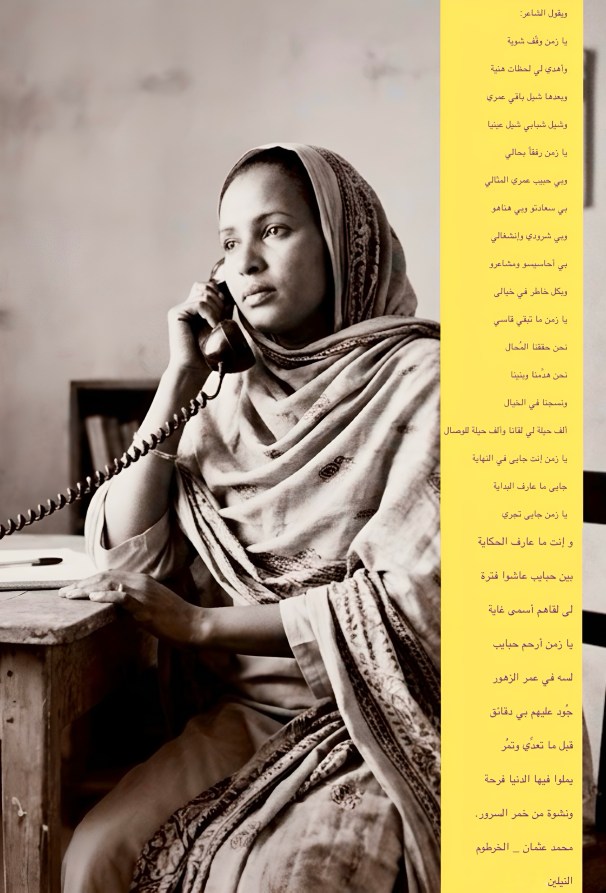
Working Translation
/ Tarry awhile, O Time / Grant me but these brief moments of bliss / Then claim as yours my life’s remainder / My youth and all I cherish / Look gently upon my condition / and my life’s ideal love / Upon her happiness and her joy / Upon my wandering mind and preoccupations / Upon all she senses and feels / Upon every passing thought of my imagination / Do not be harsh on me, O Time / For we moved mountains / We tore down and we rebuilt / And in our dreams we wove / A thousand ruses that we might meet, a thousand ruses that we might unite / O Time, you come in the end / yet do not know (or and yet remain oblivious of) our beginning / Time, you come rushing by / Yet do not know our story / Two lovers who, for a time, breathed only to meet; to meet – their sublime and only goal / Have mercy, O Time, on lovers / Still in the bloom of youth / Bestow on them a few sweet moments / Before you pass them by and leave / So they might fill the world with joy / And the heady rapture of delight /
You can find a detailed lexical analysis of the poem in my sister blog Sudanese Arabic Documentary Transcripts with English Notes coming shortly.
Nancy Ajaj – Tarry Awhile, O Time – يا زمن وقف شوية
Ibrahim Awad – Tarry Awhile, O Time – يا زمن وقف شوية

