

Uncle Abdur-Raheem
“How Many Souls are Taking Refuge in You?”

Above, screenshot from Moniem Ibrahim’s dramatization of the epic Sudanese poem, Uncle Abdur-Raheem, with the poem’s reciter, Duha Bilal, whom you can watch below. See In Conversation for an interview with the film’s creator, film maker and innovator of Sudanese theatre, Moniem Ibrahim

Abdur-Raheem, How Many Souls are Taking Refuge in You?
While attending The Sudan and South Sudan Literature Week held in London in November 2018, I came across something that literally stopped me in my tracks and held me transfixed. It was Moniem Ibrahim’s stunning visual recital of the beloved Sudanese poem, Uncle Abdur-Raheem.
My blogpost is dedicated to this haunting work and hopes to inspire non-Sudanese readers both to experience the dramatized recital below and explore the poem in more depth. This post was first published in 2019. Since then, Arabic teacher and translator, Muna Zaki and I have put together an annotated transcript and bridging translation of this remarkable poem for anyone interested in furthering their Sudanese colloquial Arabic. Scroll down for more information and link.

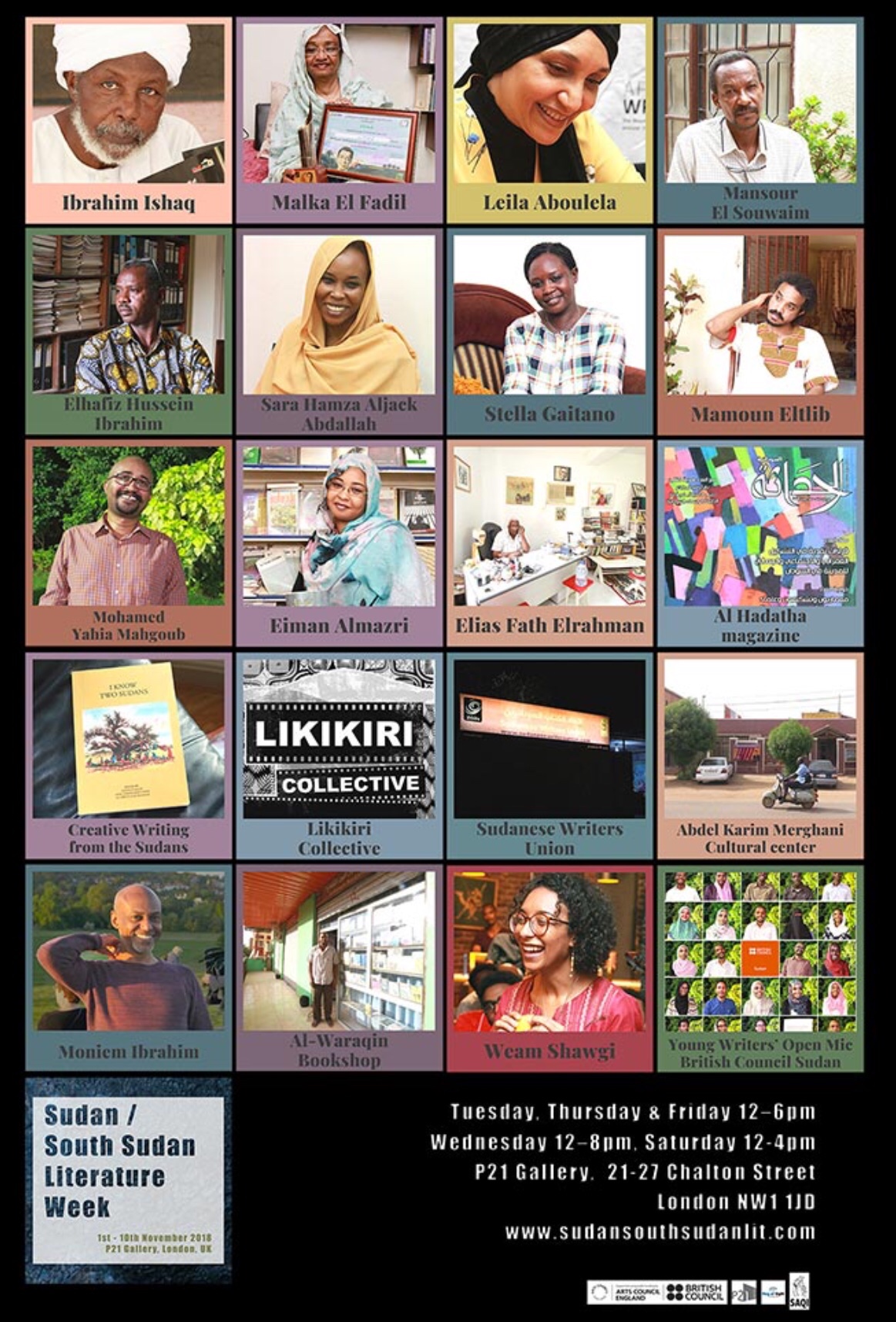
Above left, writers featured in Sudan and South Sudan Literature Week, organized by film maker and photographer, Frédérique Cifuentes Sudan and South Sudan Literature Week review. Right, Adil Babikir’s masterful translations of selected Modern Arabic Poetry, University of Nebraska Press, 2019. See too Modern Sudanese Poetry – Arablit

Adil Babekir explains the writer of Uncle Abdur-Raheem, Mohammad El-Hassan Salim Himmaid (1956-2012), pictured left, was one of the most popular poets in Sudan. “His folk poetry is highly celebrated by different generations as it echoes the frustration of the poor and downtrodden. He published seven collections of poetry, all written in colloquial Sudanese Arabic. He died in a tragic traffic accident near his native village of Nuri, in what seemed like a reenactment of the tragedy of Uncle Abdur-Raheem, the protagonist of this epic poem. The poem went viral when put to music and sung by the great composer-singer Mustafa Sidahmed, who met a no less tragic end, dying in exile after a long struggle with renal failure complications.” Biographical notes on the contributors, Modern Sudanese Poetry, An Anthology, p146.

English Recital of the Poem, Abdur-Raheem
Excerpts and Themes
English Recital of Abdur-Raheem and Translations

Above, Sudanese prayer beads.
My omniscient, bountiful Lord,” / he intoned, summing up his dawn prayers / in hums and whispers
Bowing his head, / worries tumbled down – sticky and dense, / Looking up, / it was a barren sky, / save for a thin streak of clouds / and some shy distant stars. It was summer time.
Above, the opening lines from Uncle Abdur-Raheem, by beloved Sudanese dialect poet Mohammad El-Hassan Salim “Himmaid”, (1956-2012), translated by Adil Babikir, in Modern Sudanese Poetry, An Anthology
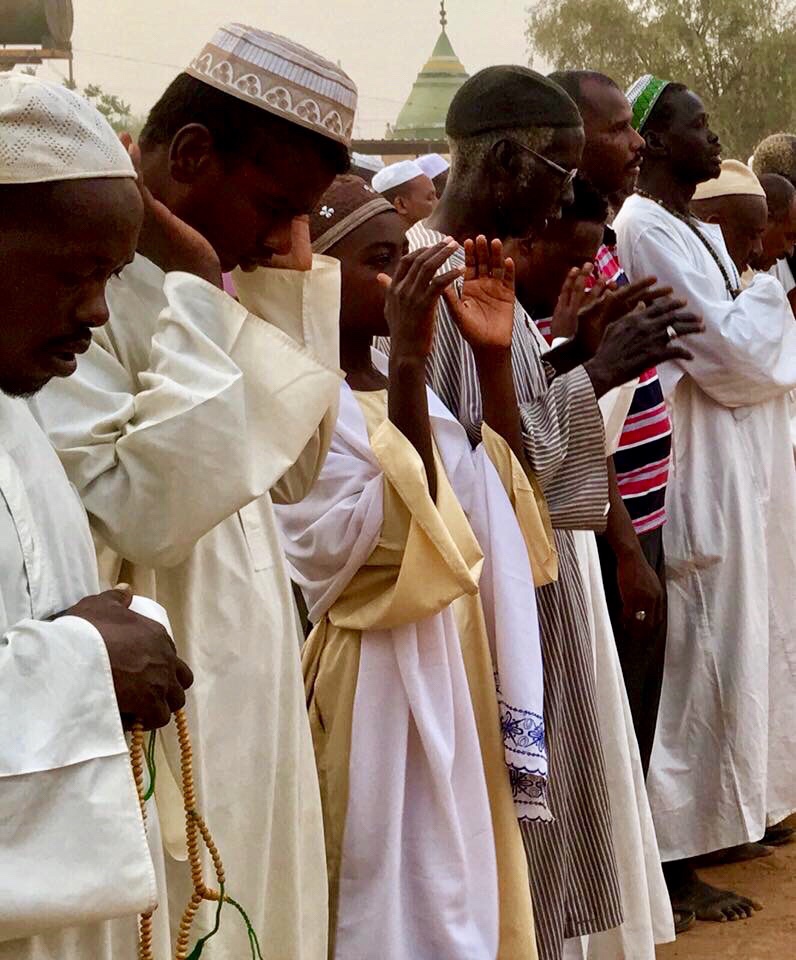
Above, reciting prayers for the dead at Hamed al Nil cemetery.
Scroll down to the end of this post to listen to Mustafa Sidahmed’s poignant musical setting of the poem and enjoy the cadences of colloquial Sudanese Arabic.
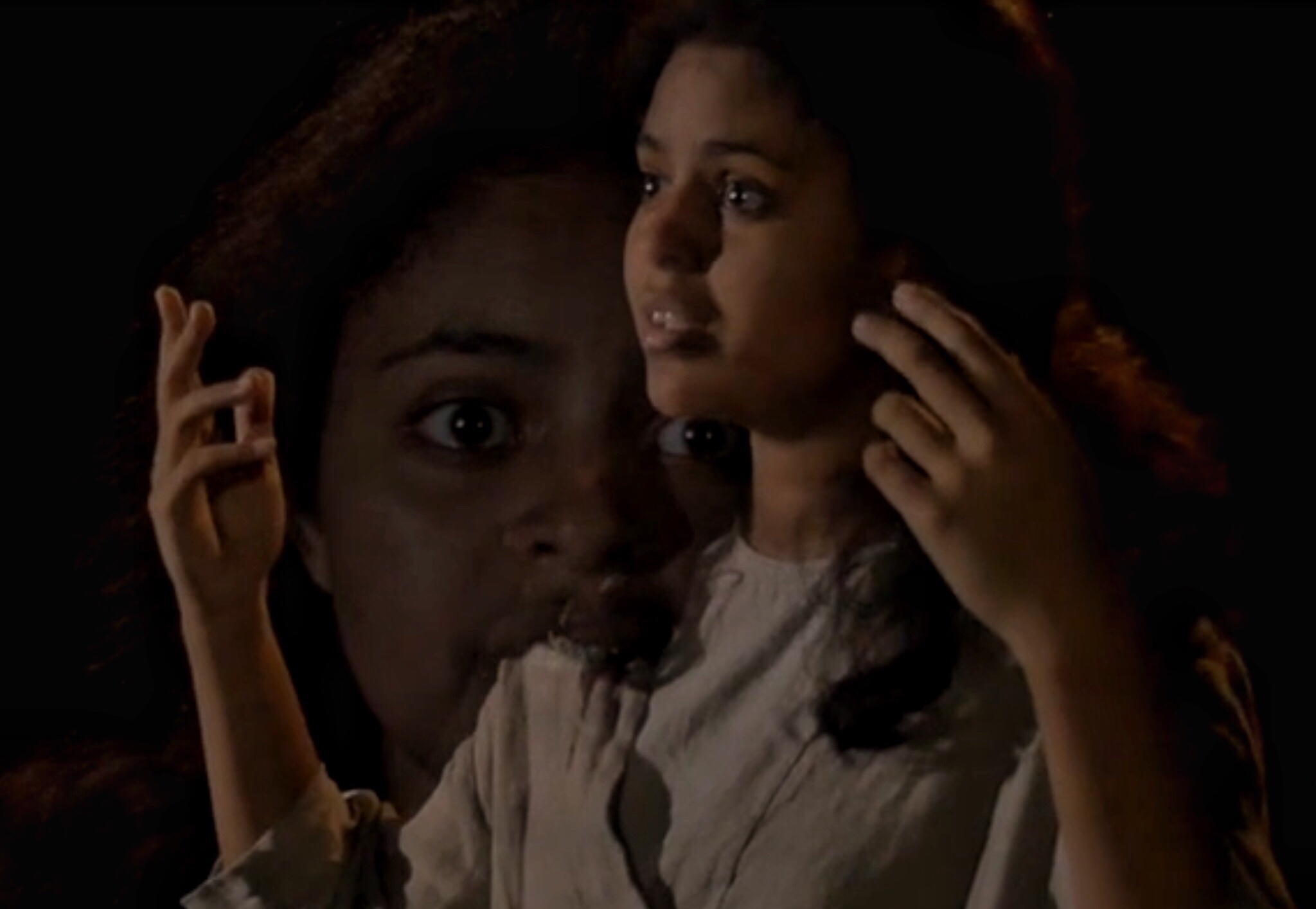
Screenshot from Moniem Ibrahim’s dramatization of the poem Uncle Abdur-Raheem, recited by Duha Bilal, pictured above.
Below, Moniem Ibrahim’s starkly intense dramatization of the poem –
Watch the full Vimeo video here: The Tragedy of Uncle Abdur-Raheem

Other Translations
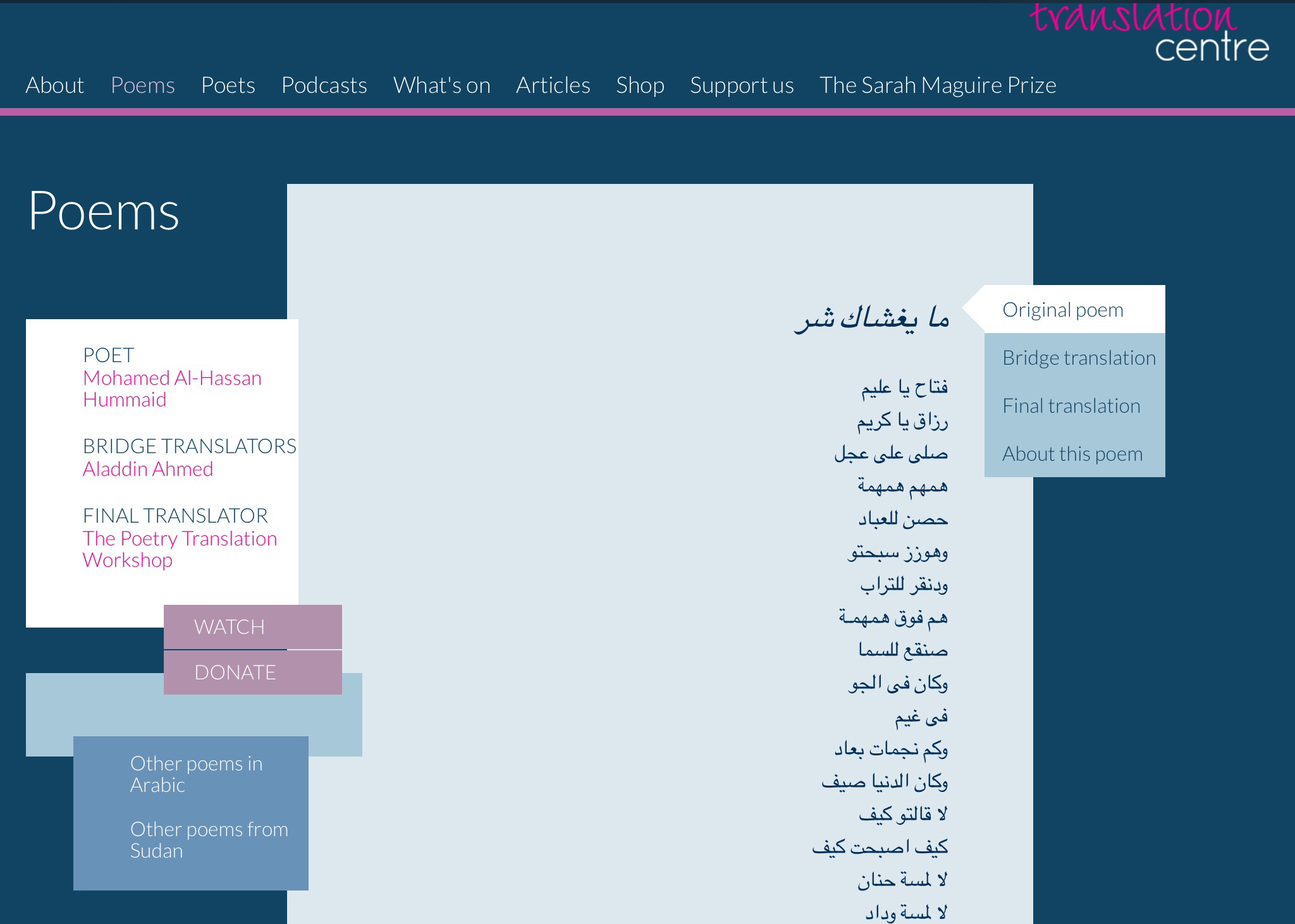
Students of Sudanese Arabic and poetry can find the full Arabic original, together with an alternative bridging and final translation of the first section of the poem in Poetry Translation. org link here – Original text
Listen to and read the Sudanese Arabic original simultaneously in
Video Uncle Abdur-Raheem Arabic Text
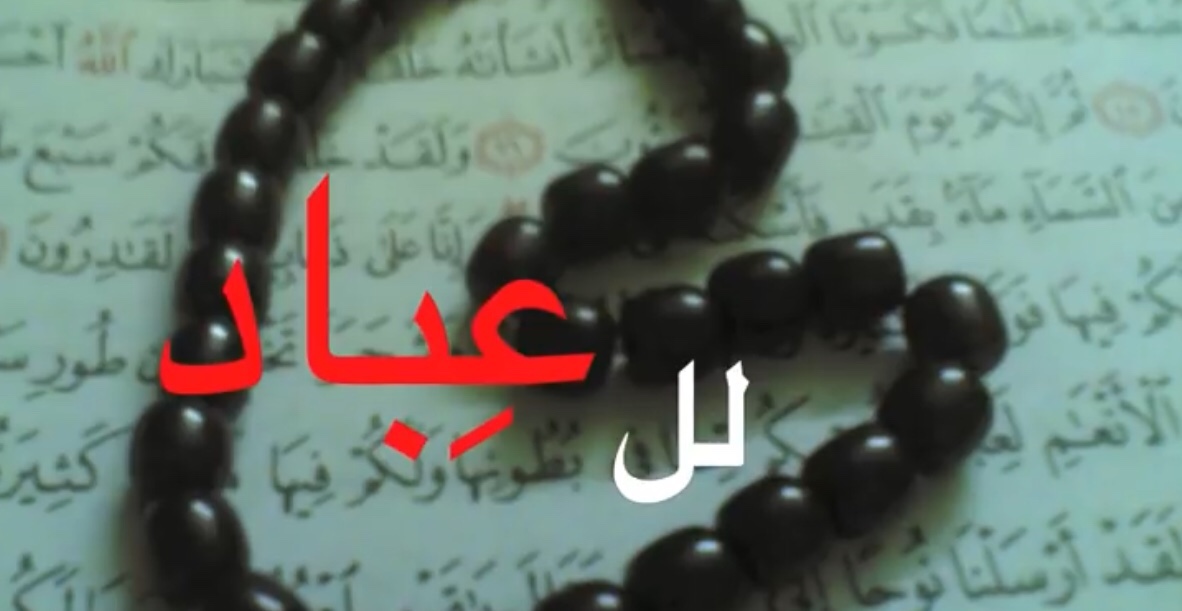
My thanks to Muna Zaki, Sudanese Arabic tutor, expert in Sudanese proverbs and folk tales, for all her patient help in explaining the Arabic original – see her blog Muna Zaki – Arabic Language and the Sudan
The poem vibrates with Sudanese colloquial inflections and Sudanese dialect words such as murhakaa al-qadr:

The grindstone (murhakaa) of fate….. Visit Kambala to see a Sudanese grindstone and a Nuba folktale dedicated to it. Or, “jirtig fil turaab”

A thread of blood-stained earth is described as a jirtig – a skein of red silk threads worn in wedding ceremonies. See Anointing in Robes of Red and Gold for more on jirtig symbolism.
You can also consult our annotated transcript and lexical focus in Sudanese Arabic Documentary Transcripts, Uncle Abdur-Raheem
This is a cultural post for Women’s Education Partnership

If you are interested in Sudanese art, you might enjoy Inscriptions on Rosewater and Birds of the Soul
If you are interested in Sudanese spirituality, you might enjoy The Eternal Dance
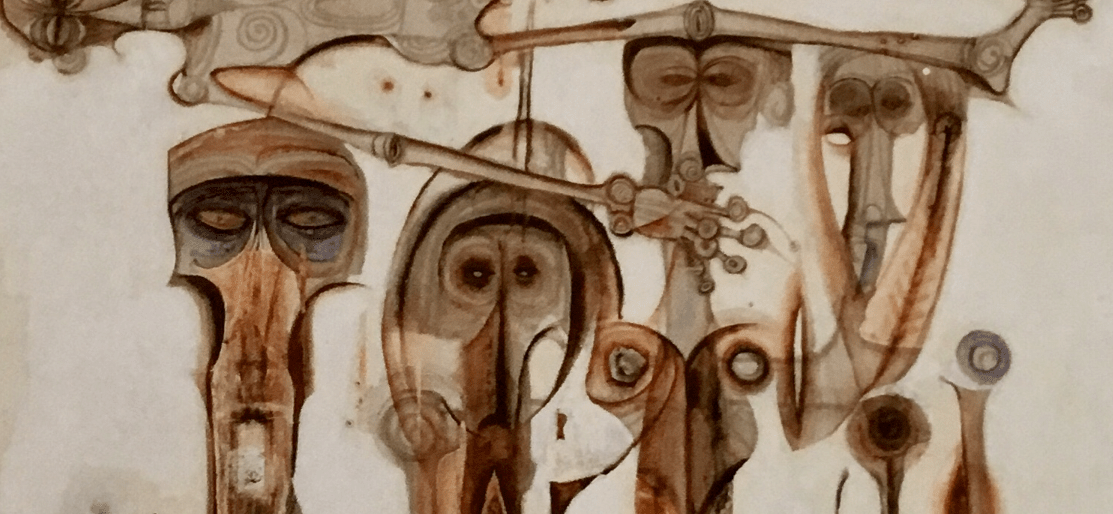
Detail from Funeral and Crescent, Ibrahim el-Salahi, 1963
Extracts and Themes – Abdur-Raheem
In your sorrow, / Uncle Abdur-Raheem, / there are others no less unfortunate, / living in rented dwelling. / No land, no palm trees of their own. / And others who can’t afford even a burrow, / trading their muscle strength and sweat for a scanty living. / The sun-scorched, / city workers, / porters, / sailors, / cane cutters, / cotton pickers, / rope hawkers, / bakers: fused by oven flames / and a blazing weather. What a life! / for the debt-ridden, / like a cart horse, / working daylong, for pennies, ……
Uncle Abdur-Raheem, Mohammad El-Hassan Salim Himmaid, pp 80-87
Mohammad El-Hassan Salim’s epic poem is an elegy to the urban poor of Sudan. The weight of the poet’s compassionate gaze falls on those caught within a cycle of careworn drudgery not of their making – providing for “a daughter deserted by her groom, destitution, drought”; scratching a living to afford “..the tobe, the noon meal, the school uniform, the travel permit for the son heading south, to join the army….” An urban poor robbed by cruel circumstance of even the small consolations of rural life:
As a farmer, you were your own master, / free to sleep, / free to get up at leisure – / no attendance sheets, / no clocking in, / ……….
Free to water your land by moonlight/ and plough under the stars, / But time is a wheel in a perpetual spin.
How many cycles you have to endure – / like a patient soil?

Above, a Khartoum street in the early morning.
Although the rituals of the daily grind bring Abdur-Raheem and his morning companions together in good-natured banter and fellowship, poverty has driven a wedge between Abdur-Raheem and his wife, who, worn down by work and cares, is too absorbed in her morning duties to console him in his worries:
She wasn’t there to say “Good Morning ” / or ask if he’d slept well. / No intimate touch / an affectionate gesture / from a warm heart / like the old days / the good, old days
There is no human solace for Abdur-Raheem. No escape from the constant clamor within his head of impossible demands.

Prisoners Exercising, Vincent Van Gogh, 1890. Wiki Commons
Set against the personal tragedy of Abdur-Raheem, is the poem’s stark indictment of the random injustice that conditions the lives of those who trade “their muscle strength and sweat for a scanty living”. Of those failed by both cynical leaders and their systems of manipulation.
Governments out, to oblivion. / Governments in, over us they reign – / with fairy tales an illusion, / fallacies and game, / being their sacred constitution, the graveyards ruling us in the Prophet’s name
How many cycles you have to endure – / like a patient soil?

Sufi funeral with the shrouded deceased held aloft.

Photo – Cemetery Hamed El Nil, Omdurman.
But while the poet asks; “Surely, Abdur-Raheem, / poverty whittles away faith, / from the boldest of hearts”, there is a quiet spirituality that flows through and encircles the narrative from the opening strains of the dawn prayers to the closing lines, resonating dignity, hope – and defiance:
“Wake them all up, to your serene, eternal work.”
Uncle Abdur-Raheem/ how many souls are taking refuge in you?/ So shed off this false shroud, / wake them all up, / to your serene, eternal world.
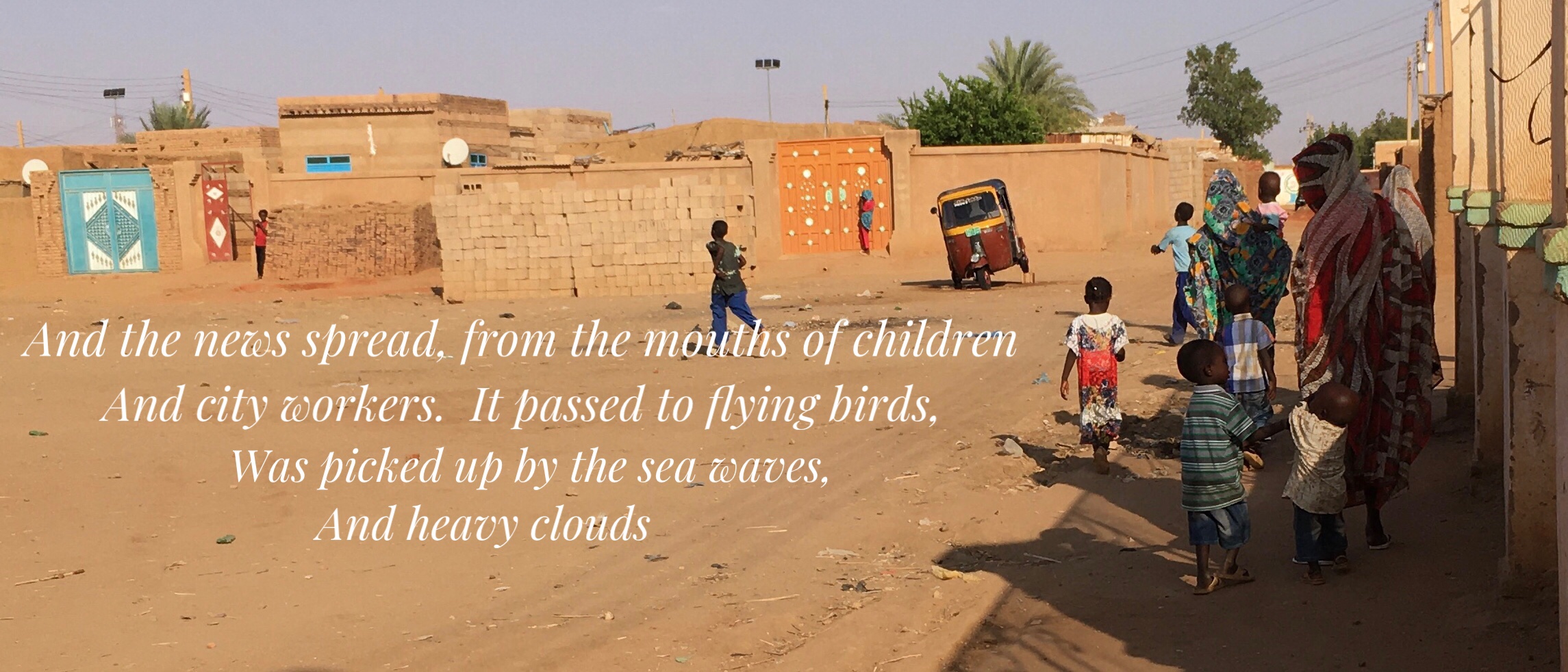
From the closing verses of the poem.
Below Mustafa SidAhmed’s musical setting of Abdur-Raheem

See In Conversation for an interview with the film’s creator, film maker and innovator of Sudanese theatre, Moniem Ibrahim
This is a cultural post for Women’s Education Partnership
 Women's literacy in Sudan